Iran02 March, 20263 min read
Reports Conflict Over Whether Assembly of Experts Elected Mojtaba Khamenei Supreme Leader After Trump Strike
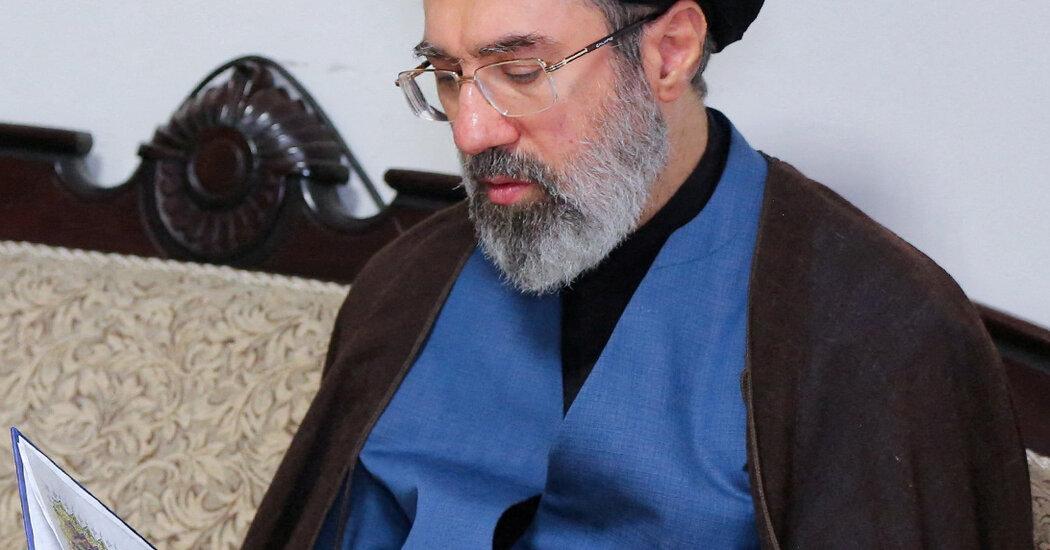
U.S.- and Israeli-led strike killed Supreme Leader Ali Khamenei. Mojtaba Khamenei emerged as the leading candidate to succeed Ali Khamenei.

11 outlets told this the same way.
Reports on Khamenei's fate
Multiple opposition-linked and mainstream outlets reported that Ayatollah Ali Khamenei was killed in recent U.S. and Israeli strikes. Those outlets said Iran’s Assembly of Experts met to choose a successor. Some reports said the Assembly of Experts selected his son, Mojtaba Khamenei, as the new Supreme Leader.
“Assembly of Experts met twice virtually as it prepared to choose a new supreme leader after the reported death of Ali Khamenei in US‑Israeli strikes.”
A tabloid summary said "Ayatollah Ali Khamenei was killed in a recent U.S. missile strike" and that the "Assembly of Experts has selected his son, Mojtaba Khamenei, 56, as the new Supreme Leader." The Straits Times described how the "Assembly of Experts met twice virtually as it prepared to choose a new supreme leader after the reported death of Ali Khamenei in US‑Israeli strikes." The Times of Israel added that "Mojtaba Khamenei… is reported by the New York Times to be the front‑runner," and the reporting remains fluid and contested.
Conflicting Mojtaba reports
Accounts differ on Mojtaba’s profile and even his age, but multiple outlets describe him as a reclusive yet influential figure with close Revolutionary Guard ties. The Straits Times called him "a reclusive but influential figure with close ties to the Islamic Revolutionary Guard Corps (IRGC)."
The Sri Lanka Guardian summarized that "Mojtaba, 56, is little-known publicly but has long exercised behind-the-scenes influence and has close ties to the Islamic Revolutionary Guard Corps (IRGC)." The Times of Israel’s reporting used a different age, saying "Mojtaba Khamenei, 45," which illustrates clear discrepancies in published details about him.

Assembly selection reports
Reports emphasize that the Assembly’s meetings were held under extraordinary security conditions and that any selection process would have been constrained and controversial. The Irish Sun noted that senior clerics met mostly virtually in Qom amid airstrikes and security concerns, and that some were reluctant to publicly name Mojtaba for fear of making him a target.
“Israel struck a building in Qum where the assembly was to meet, but the Fars News agency said the site was empty.”
The Straits Times reported that Israel struck a building in Qum where the assembly was to meet, while Fars News agency said the site was empty, a direct contradiction about whether the venue was hit. The Sri Lanka Guardian said there were closed, IRGC-supervised online meetings that have reportedly selected him as the primary candidate, and together these varying accounts highlight differing narratives about how any choice was made.
Global reactions to strike
International reactions and the broader implications of the reported strike and succession reports have been stark and uncertain.
Time Magazine cited U.S. President Donald Trump saying the attacks 'knocked out most of the candidates' and noting he later 'claimed 48 senior Iranian leaders died.'
The Times of Israel said the 'U.S. administration (President Trump) has voiced concern about potential instability, urging a stable, peaceful transition.'
Forbes framed the death as creating 'deep uncertainty about whether the clerical regime can survive, manage an orderly succession amid war, or be overthrown,' underlining how reports of the strike have prompted worries about unpredictable outcomes.
Iran succession reports
Major outlets and analysts stress that key elements remain unverified and that multiple alternative succession scenarios were reported. The Irish Sun cautioned that these claims come from opposition and media reports and have not been independently verified. Time Magazine outlined constitutional and interim arrangements, noting that Iran’s constitution requires selection by the Assembly.
“These claims come from opposition and media reports and have not been independently verified.”
Time Magazine reported that pending a replacement, state media say a temporary council led by President Masoud Pezeshkian, Mohseni-Eje'i, and Ayatollah Alireza Arafi will oversee the country. The Associated Press noted the awkwardness of a hereditary impression and profiled other potential figures such as Ayatollah Ali Reza Arafi and Hassan Khomeini.
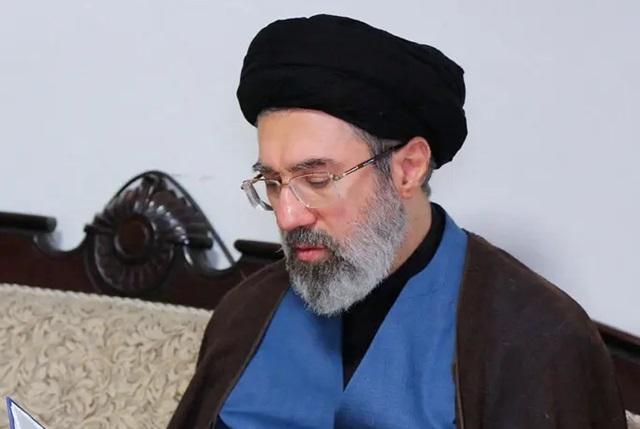
The Associated Press also underscored competing narratives and recognized uncertainties about any formal election of Mojtaba. Sources disagree on the spelling and presentation of Arafi's name, with Time Magazine using Ayatollah Alireza Arafi and the Associated Press using Ayatollah Ali Reza Arafi.