
Republicans At CPAC Demand Immediate U.S. Withdrawal From Iran, No Ground Invasion
Key Takeaways
- Most Republicans at CPAC back the Iran war; 84% approve.
- Older and younger Trump voters at CPAC are divided on Iran war strategy.
- Pressure grows at CPAC for an exit ramp and end to the war.
New CPAC push to withdraw forces
The single most important new development at CPAC is the emergence of a visible push from Republicans to withdraw U.S. forces and end the Iran war, signaling a generational and strategic split within the party’s base.
“Iran war splits older and younger conservatives - as pressure builds for Trump to find exit ramp A majority of the American public, polls suggest, have been against the ongoing US-Israeli military campaign in Iran from the day it started”
Debates at the Dallas gathering show some attendees urging a quick exit and arguing that the costs—especially energy prices—outweigh any quick victory.

Samantha Cassell told CBS News that she wants more transparency about why the U.S. is in Iran and that she hopes the end comes quickly because of the cost of living.
Joe Bolick, echoed by BBC coverage, said he doesn’t yet see an endgame for the war and questioned what a regime-change objective would actually look like.
Shashank Yalamanchi, another younger observer quoted by BBC, noted that many young conservatives backed Trump because he promised not to entangle the U.S. in endless overseas wars.
Yet the gathering also features Iranian Americans who attend CPAC to advocate for continuing military operations in Iran, underscoring that the conservative coalition remains deeply split on Iran policy.
Plan, endgame, and costs
Demands and endgame specifics are the core battleground shape of the CPAC conversations.
The participants are not only calling for a general exit but demanding concrete terms: withdraw U.S. forces from Iran, halt the ongoing campaign, and refrain from a ground invasion.

They want a clearly defined endgame: what regime-change objectives would be pursued, who might replace leadership if any, and a realistic timetable for withdrawal.
Cassell’s call for transparency is paired with questions about value and purpose, as she urges clarity on why the U.S. is in Iran in the first place.
The pushback against escalation is buttressed by warnings about costs: Janie Dean warns that a ground invasion would be catastrophic, while Matt Gaetz asserts that it would make the country poorer and less safe due to higher gas and food prices.
Even proponents within the party voice concerns about practical outcomes, with discussions about what a credible exit path would entail and how to avoid a prolonged commitment.
Rubio’s stance that ground troops won’t be necessary highlights a split within the party between those seeking a withdrawal and those promoting limited intervention as a hedge against broader conflict.
Split voices at CPAC
Pro-war voices versus withdrawal advocates sit side by side at CPAC, illustrating a lasting tension within the GOP over Iran policy.
“NEW YORK, Mar 28 (BBC): A majority of the American public, polls suggest, have been against the ongoing US-Israeli military campaign in Iran from the day it started”
Despite the push to withdraw, the event also features voices aligned with maintaining a military stance, underscored by coverage that Iranian Americans attended CPAC to advocate for continued military operations in Iran.
CBS News notes a significant number of Iranian Americans attended CPAC this year to hear from a speaker whose father led Iran before 1979 and to advocate for the continued military operation in Iran, highlighting the real presence of pro-war sentiment alongside the withdrawal push.
BBC’s reporting corroborates this as it documents the generational divide and the ongoing discussions about endgame and regime-change implications.
The Financial Express also situates the debate within the broader context of public skepticism about the war’s purpose, even as observers emphasize that the campaign has not yet found an exit path and continues to incur costs that influence domestic attitudes toward the conflict.
Implications for GOP and West Asia policy
The CPAC conversations portend meaningful implications for Republican messaging and West Asia policy as the 2026 landscape begins to take shape.
Polls cited in Western coverage show the American public broadly opposed to the ongoing U.S.-Israeli campaign in Iran, while Republicans remain more supportive, a dynamic that could be tested as the war drags toward its fourth week.
CBS News notes that energy prices and the impact on daily living are shaping public opinion and potential electoral outcomes, underscoring the domestic costs of foreign entanglements.
The Financial Express echoes this sentiment, reporting concerns about oil and gas prices and the overall economic burden.
BBC frames the discourse around the cost of living and energy prices as central to the Conservative base’s willingness to sustain or abandon the conflict.
Taken together, the CPAC moment suggests the GOP may tilt toward clearer exit options or at least a more cautious messaging approach, while acknowledging that a chorus within the party still champions a continued military posture.
The presence of both hawkish and withdrawal-oriented factions indicates any exit would require careful political navigation to avoid alienating core supporters while addressing broader public concerns.
More on USA
President Donald Trump Sparks Millions to Join No Kings Rallies Opposing Iran War Policies
49 sources compared
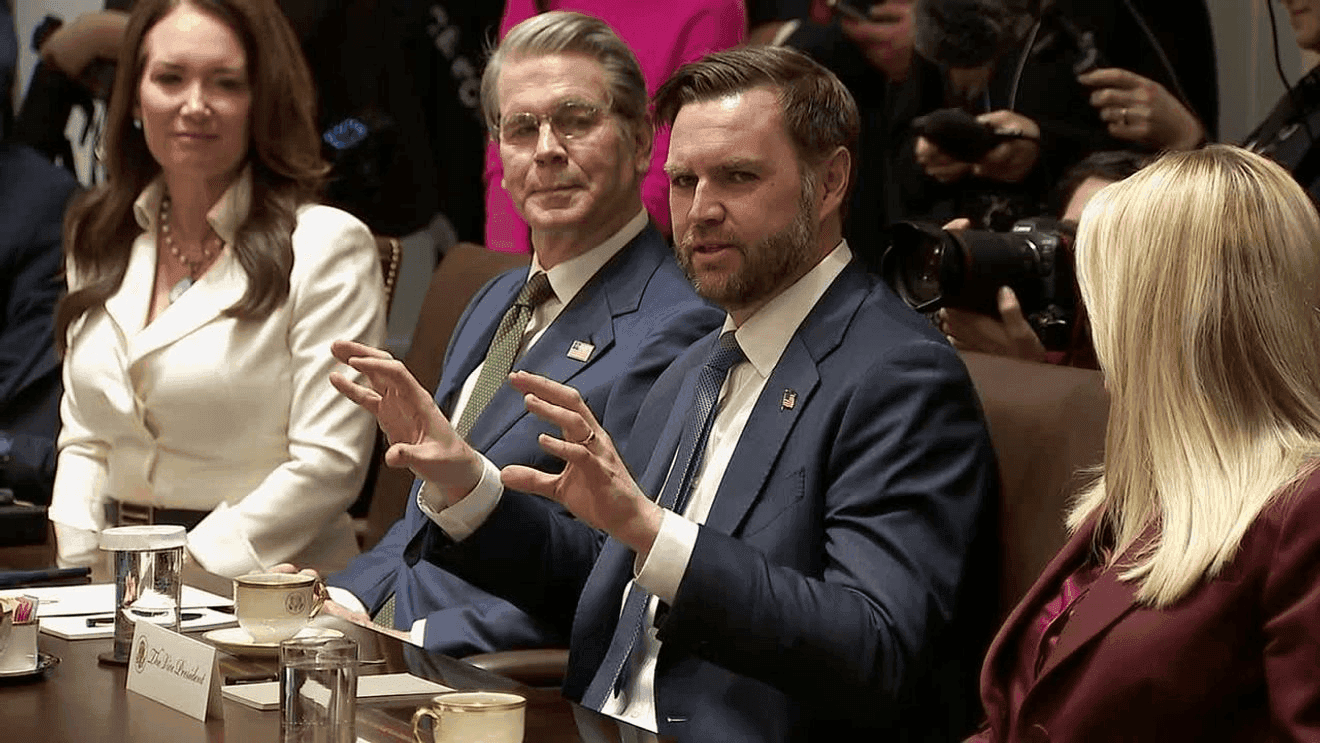
Rubio Surges to 35% Behind Vance's 53% in CPAC 2028 Straw Poll
14 sources compared
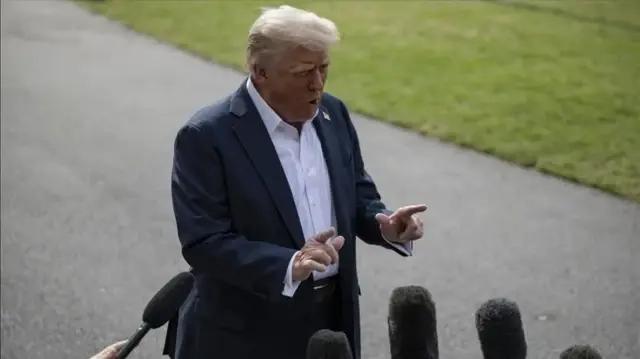
Trump Signals U.S. Could Target Cuba, Hinting at Military Action
12 sources compared
Trump Orders DHS to Immediately Use 'Reasonable Nexus' Funds to Pay TSA Agents
70 sources compared