Republicans Press Trump for Iran Deal Text After MOU Signed With Iran
Key Takeaways
- Senate Republicans demand access to the Iran deal text for Congress review.
- Trump signaled he could send the deal details to Congress.
- A formal signing of the U.S.-Iran memorandum is expected this week.
Secret text, open strait
President Donald Trump and Vice President JD Vance signed a memorandum of understanding with Iran over the weekend that is intended to end the three-and-a-half month military conflict and reopen the Strait of Hormuz, but lawmakers said they still had not been briefed or shown the text.
Senate Majority Leader John Thune told Fox News’ “Special Report with Bret Baier” that “I think until the White House actually furnishes us the specific memo, it’s hard to react,” while also saying his assumption was that the briefing would come “as the week wears on.”
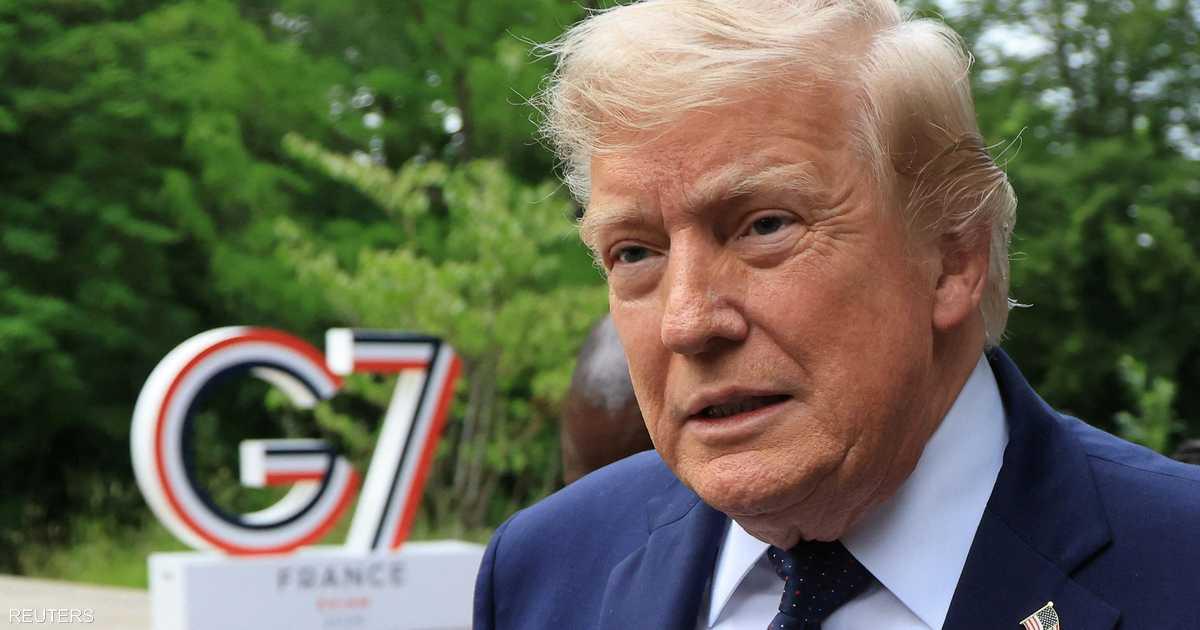
The framework described in the reporting includes a 60-day period to reopen the Strait of Hormuz without tolls, with details about “deeply buried highly enriched uranium” and the future of Tehran’s nuclear program remaining hazy as the text stayed withheld.
In parallel, Scripps News reported that “We’re not going to see the document until Friday,” as Republicans said they wanted more information even while expressing confidence in Trump’s approach.
The Hill added that the MOU was signed electronically and that a formal, in-person signing ceremony was scheduled for Friday in Geneva, while no actual text had been released, leaving lawmakers “clamoring for more details.”
GOP splits, Democrats press
Republican reactions split between support for the ceasefire framework and insistence on congressional review, with Sen. Lindsey Graham writing that he was “pleased” about a deal to potentially open the Strait of Hormuz but warning that “Congress should have an opportunity to weigh in.”
Graham also said he was “somewhat concerned that Iran’s view of the agreement seems different from what the American negotiating team is claiming,” and he reiterated that “Under our law, any nuclear deal with Iran will be sent to Congress for review and a vote.”

On the Senate floor, Senate Minority Leader Chuck Schumer called for congressional briefings and more information to be shared with the public, saying, “Americans need to know what Trump has promised to Iran and what the United States will get out of it.”
The Hill reported that Thune acknowledged it was unusual for the president not to share the details of a major international agreement with leaders from his own party, and Thune said senators were likely to get more information “as the week wears on.”
Newsweek described additional GOP skepticism, including Sen. Kevin Cramer saying he was “skeptical” and Sen. Ted Budd saying “we’ll fully evaluate it,” as lawmakers waited for the deal to come before Congress.
What happens next
The reporting ties the next phase to whether Congress can review and vote under the Iran Nuclear Agreement Review Act, with Roll Call saying the MOU leaves for later the question of Iran’s nuclear program while starting a 60-day clock for talks and relief from U.S. sanctions.
Roll Call also said INARA requires a deal to be transmitted to Congress within five days of being reached, with Congress then having 30 days to vote on a resolution of disapproval, and it noted that the MOU’s lack of clear details kept lawmakers in the dark.
In parallel, the New York Post reported that leaked accounts of the MOU included 12 points such as Iran affirming it will never build a nuclear weapon and agreeing to technical negotiations over its enriched uranium stockpile, while the US agreed to release some frozen Iranian assets, hold off on new sanctions, lift the naval blockade, and allow Tehran to resume oil sales through sanctions waivers.
The stakes described by the sources include the possibility of sanctions relief and reconstruction funding, with the New York Post citing a Wall Street Journal report that the deal allegedly paves the way for a $300 billion reconstruction fund, while CNBC reported that Vice President Vance said reports that Iran could receive up to $24 billion in frozen assets are false.
Finally, Ronahi TV said the U.S. military announced that the port blockade imposed on Iranian ports will remain in effect until the ceasefire agreement with Iran, scheduled for June 19, is completed, even as further negotiations continue and Vice President J.D. Vance expressed hope the text would be published during the current week.
More on Iran

Switzerland Facilitates US-Iran Memorandum Signing At Burgenstock Resort On Friday
15 sources compared

Abbas Araghchi Says U.S.-Iran Deal Requires Israel Withdraw From Lebanon
11 sources compared

Purported U.S.-Iran Memorandum Of Understanding Circulates, Including Lebanon War End And Strait Reopening
12 sources compared

JD Vance Says Trump Could Give Iran Access To $300 Billion Reconstruction Fund
23 sources compared