
Reza Pahlavi Demands Iran's Regime Be Removed, Offers To Lead Democratic Transition
Key Takeaways
- Exiled Crown Prince Reza Pahlavi urged regime change in Iran at CPAC.
- CPAC attendees show generational split on Iran war: younger conservatives condemn; older defend strikes.
- Trump skipped CPAC 2026 for Iran conflict, first time in a decade.
New Iran regime-change push
The single most important new development at CPAC is the explicit push for regime change in Iran delivered by Reza Pahlavi, signaling a hardening hawkish turn within the MAGA-aligned wing of the movement.
“Older and younger conservatives at CPAC are split over Trump's war in Iran A sharp generational split over the Iran war is opening up at this year’s Conservative Political Action Conference GRAPEVINE, Texas -- A generational divide over the Iran war surfaced Thursday between older attendees and their political heirs at this year's Conservative Political Action Conference, as the group's leaders pleaded for unity in a challenging midterm election year for Republicans”
Pahlavi framed the conflict as a historic opportunity to topple the current regime and install a democratic alternative, arguing that the time is ripe for a complete political shift rather than a negotiated settlement.

He declared, "This regime in its entirety must go," and asserted that, "a free Iran is within reach right now."
Other CPAC speakers echoed hawkish language and urged more aggressive action, while non-Western outlets highlighted a sharp intra-movement split over interventionism and the future of US policy toward Tehran.
Concrete demands & regional plans
The CPAC moment also lays out a contested plan with concrete, if controversial, elements: a total removal of the Islamic Republic, a proclaimedly transitional period, and a democratic path guided by Reza Pahlavi.
The plan is pitched as a "clean break" rather than a reformist transition, with Pahlavi signaling that he would lead the democratic process once the regime is toppled.

The rhetoric centers on a post-regime future that some outlets frame as potentially accompanied by a new regional architecture, including a proposed expansion of the Abraham Accords logic into what supporters call the Cyrus Accords.
In his remarks, Pahlavi leverages the diaspora’s hopes for a democratic Iran, while backers inside CPAC stress that only complete regime change would satisfy their stated objectives.
Critics, however, warn that such language risks entrenching conflict and provoking a broader regional escalatory dynamic.
Non-Western context of CPAC
Non-Western outlets frame CPAC as a venue where the Iran war is exposing deep tensions inside the movement, with Reza Pahlavi’s presence drawing both sympathy from opponents of the clerical regime and skepticism from those wary of any further foreign entanglement.
“American conservatives are meeting at a politically sensitive moment for President Donald Trump, amid an open split within the right over the Iran war, a controversy expected to dominate the Conservative Political Action Conference CPAC, which began on Wednesday and runs for four days outside Dallas”
Ash-Sharq notes the gathering amid a climate of internal MAGA division, while TRT World emphasizes the broader geopolitical stakes as CPAC unfolds without a clearly defined US stance on a longer commitment in West Asia.
Bi-tawqit Bayrut likewise highlights the open split over the Iran war as activists converge on Dallas, and Mezha.net reports tension at the opening day as figures call for unity even as factions debate Iran policy.
Taken together, these non-Western perspectives underscore a globalized dimension to CPAC’s internal debate that Western outlets have tended to underplay.
The overall tone from these sources suggests that the Iran issue is becoming a litmus test for what kind of US foreign policy the movement genuinely prefers.
Policy divides & public mood
The development at CPAC also reverberates through broader public sentiment and party dynamics, with Western outlets noting a generational split over the Iran war that complicates Trump’s political calculus.
BBC reports a broad public opposition to the ongoing US-Israeli campaign in Iran, while Republicans largely back Trump; the war’s presence at CPAC prompts questions about endgames and costs.
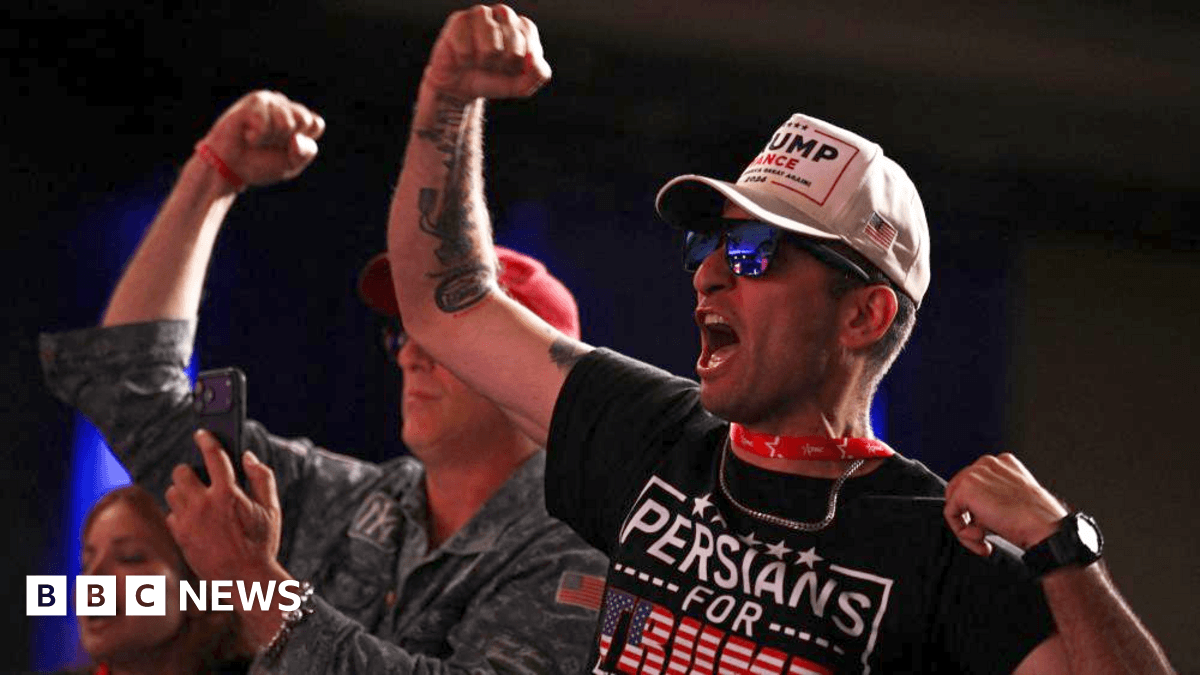
NPR frames the event as a mix of rifts over Iran and calculated unity around Trump, while Politico emphasizes the divide among younger MAGA supporters who trusted Trump to avoid entanglements abroad.
CNN notes the conference’s second day laid bare the right’s fissures, including debates around Israel’s alliance with the United States.
Together, the coverage signals a fragile base for GOP cohesion as the Iran conflict continues to shape electoral dynamics.
Post-regime architecture & gains
Policy implications from this new push toward regime change are already visible in the framing of a post-Iran future, with advocates invoking a regional architecture that would align a post-regime Iran with Western partners and reshuffle energy-and-security calculations.
“Iran war splits older and younger conservatives - as pressure builds for Trump to find exit ramp A majority of the American public, polls suggest, have been against the ongoing US-Israeli military campaign in Iran from the day it started”
The Times of Israel frames the Cyrus Accords as an extention of the Abraham Accords, proposing a regional framework in which Iran’s leadership would be replaced and relations with Israel normalized under a new order.

The Jerusalem Post emphasizes the call for a democratic transition and casts it as a prerequisite for any hoped-for stability, while Al Jazeera highlights the discussion of a broader regional architecture and the potential economic opportunities such a shift could unlock for powers backing regime change.
The Hill’s coverage underscores the diaspora’s belief that a democratic transition is both possible and desirable, even as questions remain about how quickly and by what means such a transition would occur.
Taken together, the reporting suggests CPAC’s Iran debate could push the U.S. toward a more interventionist posture as part of a long-term strategy to topple Tehran’s government, rather than a narrow, limited operation.
More on Iran

Iran Allows 20 Pakistani-Flagged Ships Through Strait Of Hormuz
14 sources compared
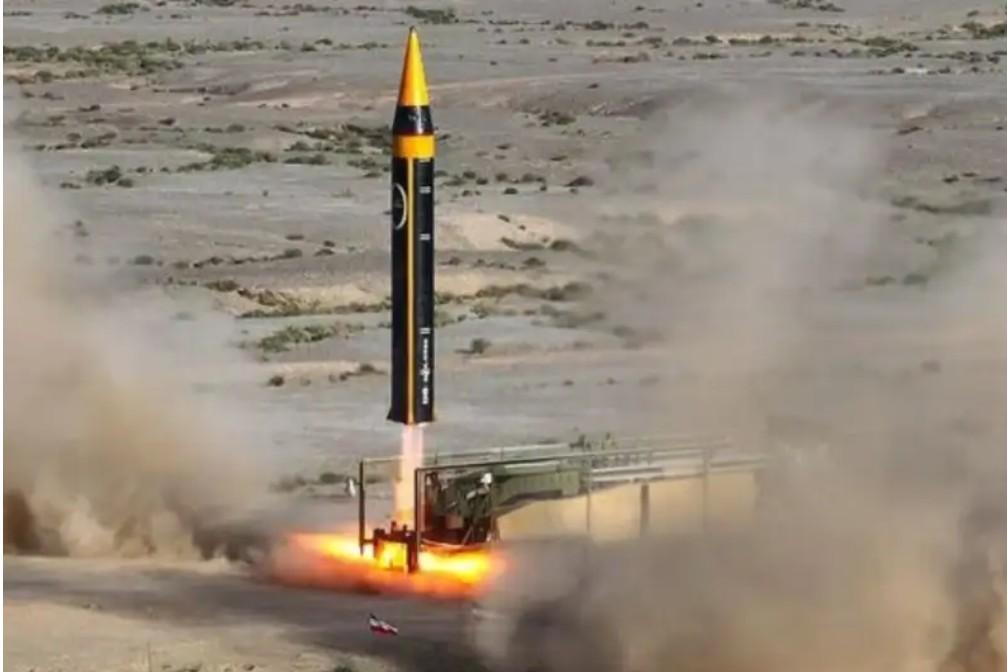
Houthis Formally Enter Iran-Israel War By Firing Missiles And Drones At Israel
16 sources compared
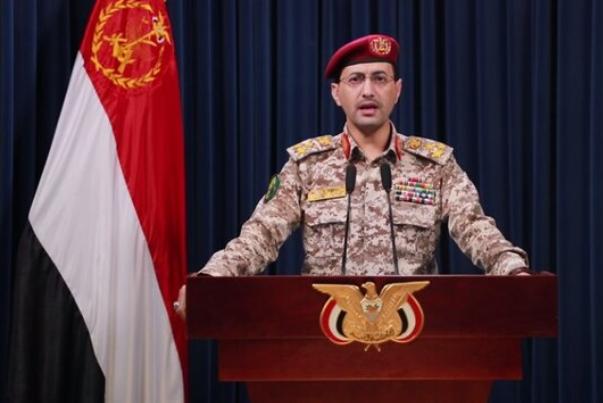
Houthis Launch First Missiles At Israel, Joining Iran War And Threatening Red Sea Routes
75 sources compared

Pentagon Plans Weeks-Long Ground Operations In Iran
21 sources compared