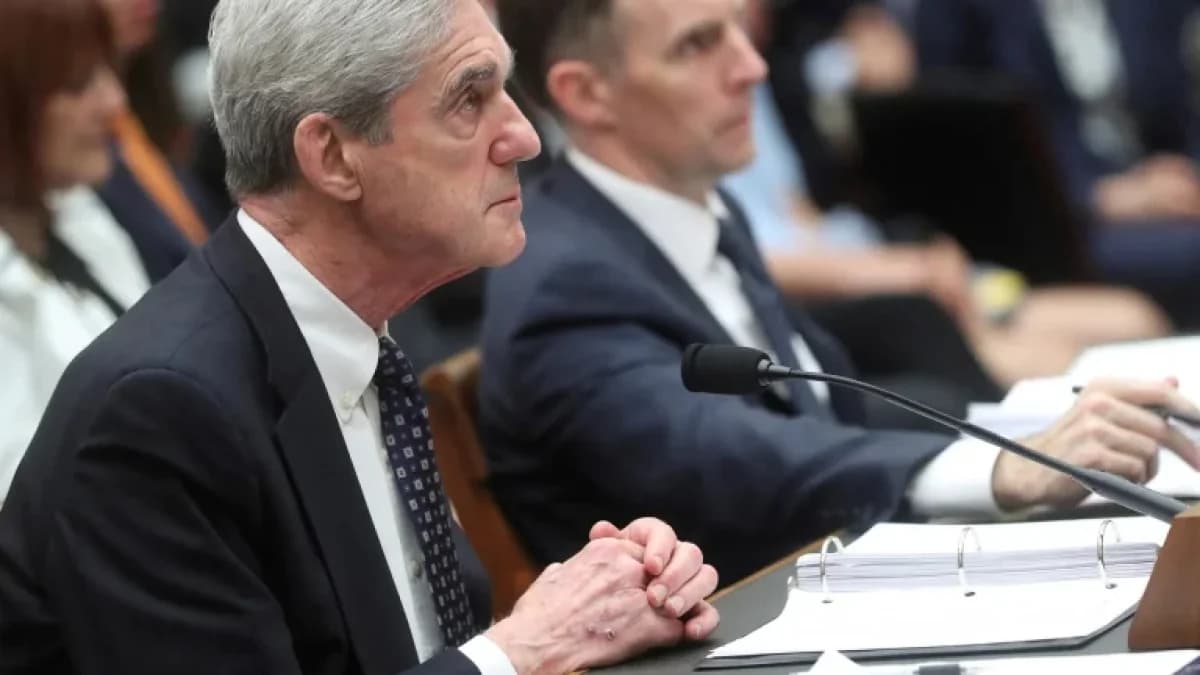
Robert Mueller Dies at 81; Led Trump-Russia Investigation
Key Takeaways
- Robert Mueller dies at 81.
- Former FBI director who served 2001 to 2013.
- As special counsel, he led the investigation into Russian interference in the 2016 election.
Death and Background
Robert S. Mueller III, the former FBI director who led the historic investigation into alleged ties between Donald Trump's 2016 campaign and Russia, died at age 81, his family announced in a statement expressing 'deep sadness' and requesting privacy.
“He will no longer be able to harm innocent people,' wrote the Republican leader on his Truth Social network”
Mueller had been diagnosed with Parkinson's disease in 2021 according to multiple sources.
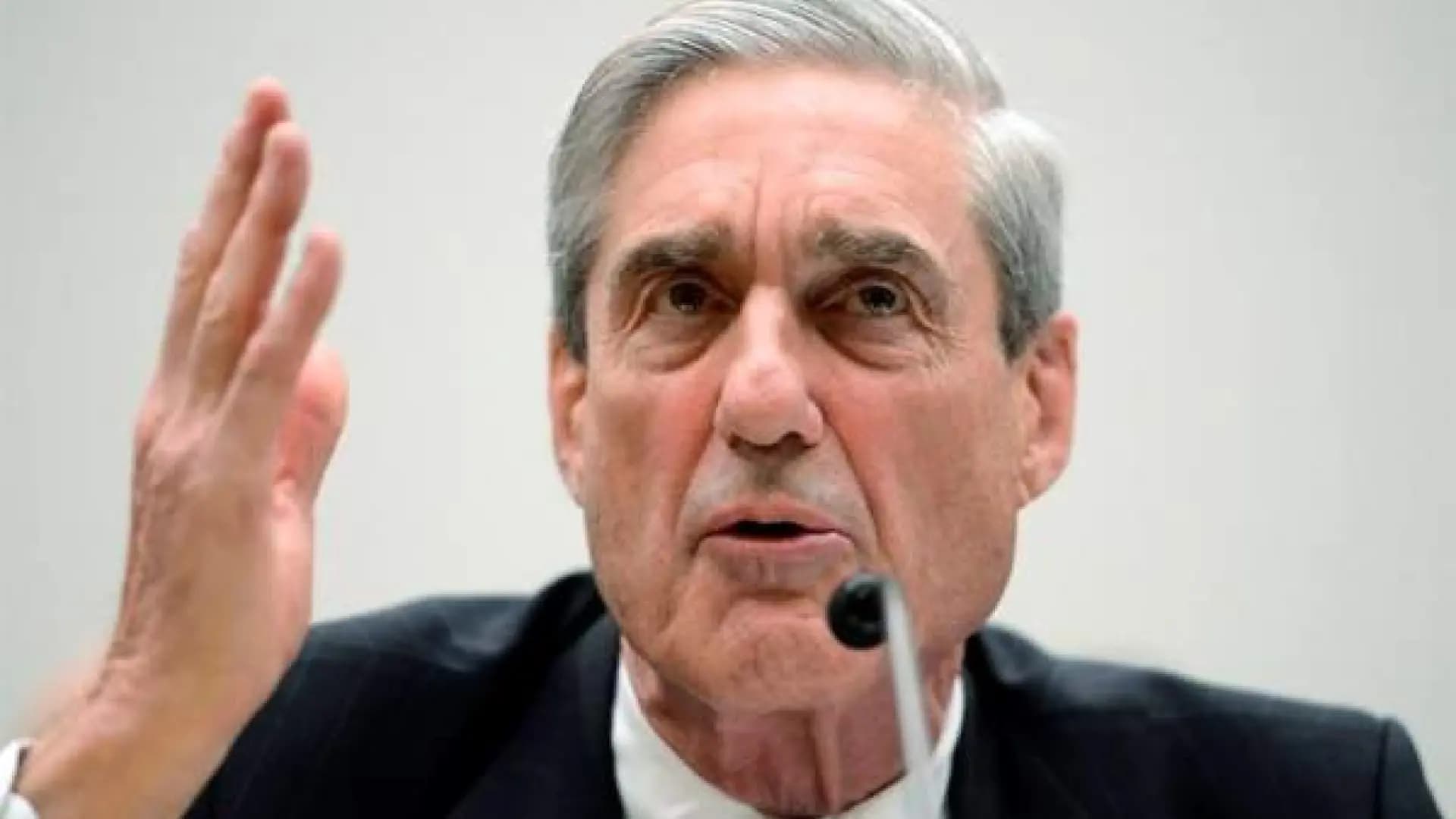
A decorated Marine Corps veteran of the Vietnam War, he earned a Bronze Star and Purple Heart during his service before pursuing a legal career that included serving as a U.S. attorney and as head of the Justice Department's Criminal Division.
Mueller built a long career in public service that began with Princeton University education and law degree from the University of Virginia, rising quickly through federal prosecutors' offices in San Francisco and Boston from 1976 to 1988 before overseeing major prosecutions against targets as varied as Panamanian dictator Manuel Noriega and New York crime boss John Gotti.
FBI Transformation
Mueller's tenure as FBI director was defined by the September 11, 2001 attacks, which occurred just one week after he began his 12-year leadership of the agency.
The cataclysmic event instantly shifted the FBI's top priority from solving domestic crimes to preventing terrorism, imposing an almost impossibly high standard for Mueller and the federal government to prevent 99 out of 100 terrorist plots.

As the second-longest-serving FBI director in history, only behind J. Edgar Hoover, Mueller transformed the bureau into a national security-focused agency, shifting 2,000 of the FBI's 5,000 criminal agents to national security roles.
His leadership established a new model of policing focused on preventing terrorist acts rather than investigating crimes after they had occurred, enhancing intelligence capabilities and building both domestic and international partnerships.
Special Counsel Investigation
After leaving the FBI in 2013, Mueller returned to national prominence in 2017 when Deputy Attorney General Rod Rosenstein appointed him special counsel to investigate Russian interference in the 2016 presidential election.
“"With deep sadness, we are sharing the news that Bob passed away" on Friday night, his family said in a statement Saturday”
Mueller's stern demeanor and taciturn nature matched the gravity of the mission as his team spent nearly two years quietly conducting one of the most consequential and divisive investigations in Justice Department history.
During the investigation, Mueller did not hold press conferences or make public appearances, remaining silent despite attacks from Trump and his supporters.
His 448-page report, released in April 2019, identified substantial contacts between the Trump campaign and Russia but did not allege a criminal conspiracy.
However, the report documented damaging details about Trump's efforts to take control of the investigation and even shut it down down, while bluntly stating that 'If we had confidence after a thorough investigation of the facts that the president clearly did not commit obstruction of justice, we would so state. Based on the facts and the applicable legal standards, we are unable to reach that judgment.'
Political Aftermath
Mueller's death triggered immediate and polarized reactions across the political spectrum.
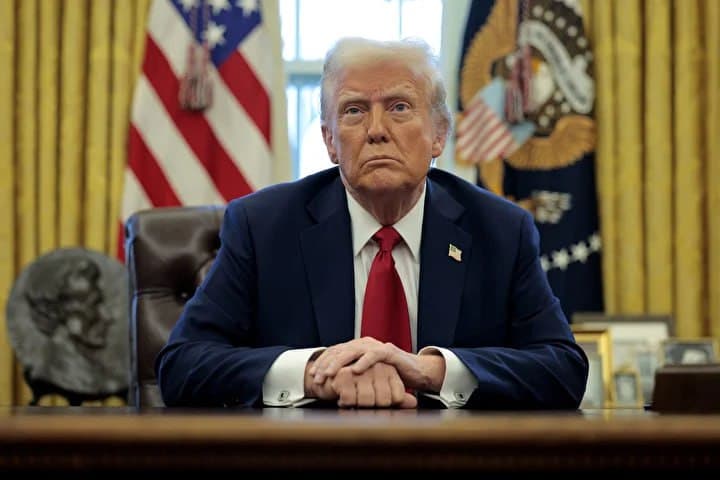
President Donald Trump posted on Truth Social: 'Robert Mueller just died. Good, I'm glad he's dead. He can no longer hurt innocent people!' The controversial response stood in stark contrast to tributes from other political figures.

Mueller's congressional testimony in July 2019 proved disappointing to Democrats, who had hoped for a more commanding performance.
He offered laconic, one-word answers and appeared uncertain when questioned, frequently wavering on details of his investigation.
This performance allowed Attorney General William Barr to shape the narrative around the Mueller report, leading to private clashes between Mueller and Barr over Barr's four-page summary that Mueller felt did not adequately capture the report's damaging conclusion about obstruction of justice.
Mueller's tenure as special counsel ultimately resulted in charges against 37 individuals and entities, with six Trump associates convicted or pleading guilty, though the investigation failed to deliver the definitive political reckoning that some had anticipated.
Legacy and Impact
Mueller's death at 81 closes a career that touched two defining post-9/11 shifts in American governance—how the FBI allocated resources and how elevated, independent federal investigations are managed within the Justice Department.
“Good, I’m glad he’s dead”
His tenure as FBI director is widely regarded as the pivot point turning the agency toward national security work, reshaping personnel, priorities and interagency coordination.

As special counsel, his work further entrenched the notion that the Justice Department can deploy autonomous investigative authority in politically sensitive inquiries.
The operational and legal architectures that bore out during Mueller's public service will persist as reference points in training, treaties and international criminal-cooperation dialogues.
While Mueller maintained a reputation for principled and non-partisan public service, his legacy has become contested ground in today's polarized America.
To some, his investigation offered a sober, fact-driven account that confirmed Russian interference and documented troubling conduct, while others view it as exposing the limits of institutional restraint in a moment of political crisis.
More on USA

Trump threatens to deploy ICE agents to US airports amid DHS funding standoff
46 sources compared

ICE Detainee Royer Perez-Jimenez Dies in Florida Detention Center; Officials Suspect Suicide
10 sources compared
Elon Musk Offers to Pay TSA Salaries During US Government Shutdown
37 sources compared

California lawmakers rename Cesar Chavez Day to Farmworkers Day amid sexual abuse allegations.
17 sources compared