
Russia Bans Armenian Cognac Imports as Putin Warns Armenia’s EU Bid Ahead of Election
Key Takeaways
- Armenia votes in parliamentary elections amid intensified Moscow pressure and Western-leaning push.
- Putin urged Armenia to hold an EU referendum ahead of the election.
- Pashinyan rejects the referendum demand and seeks closer EU and US ties.
Trade bans and election pressure
Armenia’s parliamentary election on Sunday is being fought under mounting Russian economic pressure as Prime Minister Nikol Pashinyan seeks re-election on a promise of European integration.
The Guardian reports that Moscow announced a ban on imports from Abovyan, alongside two other leading producers of Armenian cognac, with the official reason given as sanitary concerns but widely viewed as political pressure aimed at discouraging Armenia’s westward tilt.
The BBC says Armenia votes on 7 June under Russian economic pressure, with Pashinyan seeking re-election on a promise of European integration while still being intertwined with Russia, its largest trading partner.
AP reports that Russian President Vladimir Putin and other Russian officials have warned Armenia that joining the EU could come at the expense of massive economic damage by disrupting Armenian trade ties with Moscow and its allies.
In Yerevan, Abovyan director Samvel Goroyan said, “All our cognac is sold in Russia, 7m bottles a year,” adding, “We have nowhere else to go.”
Warnings, accusations, and polling
The Guardian says Russian President Vladimir Putin warned Armenia could face a “Ukrainian scenario” if it continued its European integration aims, and it adds that Dmitry Medvedev has hinted that Pashinyan could suffer the fate of Leon Trotsky, killed by Joseph Stalin.
AP quotes analyst Mikayel Zolyan telling The Associated Press from Yerevan that “These are the first elections in Armenia’s history where geopolitical orientation has become a decisive issue,” as opposition parties run on pro-Russia platforms.
The BBC reports that Pashinyan’s domestic support has fallen from 54% in 2021 to around 30% today, and it links the decline to Nagorno-Karabakh after Azerbaijan took it by force in 2023.
The BBC also says Russia has introduced new restrictions on Armenian produce after citing sanitation violations, banning Armenian flowers, certain types of cognac and wine, eggplants, potatoes, dried fruits, fish and more.
El Mundo frames the pressure as both economic and rhetorical, quoting that Putin issued a veiled threat recalling that “the crisis in Ukraine began with efforts to move toward joining the EU.”
What’s at stake after the vote
AP says a convincing win for Pashinyan would give him a mandate to continue the trend of seeking closer relations with the European Union and the United States and to finalize a deal with Azerbaijan.
The BBC reports that Russia’s economic weapon includes gas pricing, with Russia supplying Armenia with gas at $177.50 (£87) per 1,000 cubic metres while European market prices exceed $600, and it adds that Moscow has called for a referendum on EU membership versus remaining in the Eurasian Economic Union.
Euractiv reports that Russia recalled its ambassador in Yerevan for consultations over Armenia’s growing ties with the EU, while Moscow intensified economic pressure through new restrictions on Armenian exports including agricultural products, flowers and mineral water.
In a phone call reported by CivilNET, Pashinyan spoke by phone with Russian President Vladimir Putin after several weeks of tensions tied to Armenia’s diversification of relations with the West, with Russia arguing the European Political Community summit showed Armenia’s growing closeness to Western institutions.
The Christian Science Monitor frames the choice as whether Armenia stays in Russia’s orbit or engages with the West, quoting Anna Ohanyan saying, “It’s a choice between the current trajectory versus the possibility of a reversal.”
More on Russia
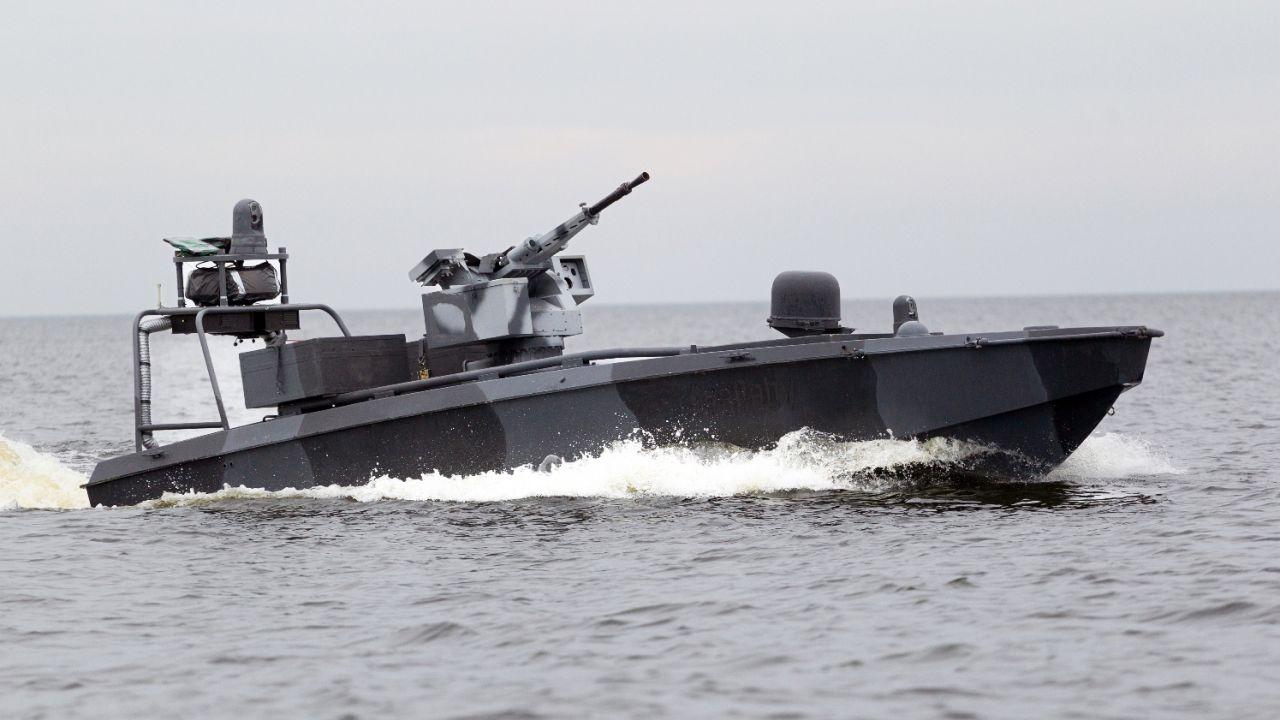
Ukrainian Marine Drone Explodes Near Constanta Oil Terminal, Romania Reports No Casualties
21 sources compared

Ukraine Launches Second Drone Attack on St. Petersburg, Injuring Three
37 sources compared
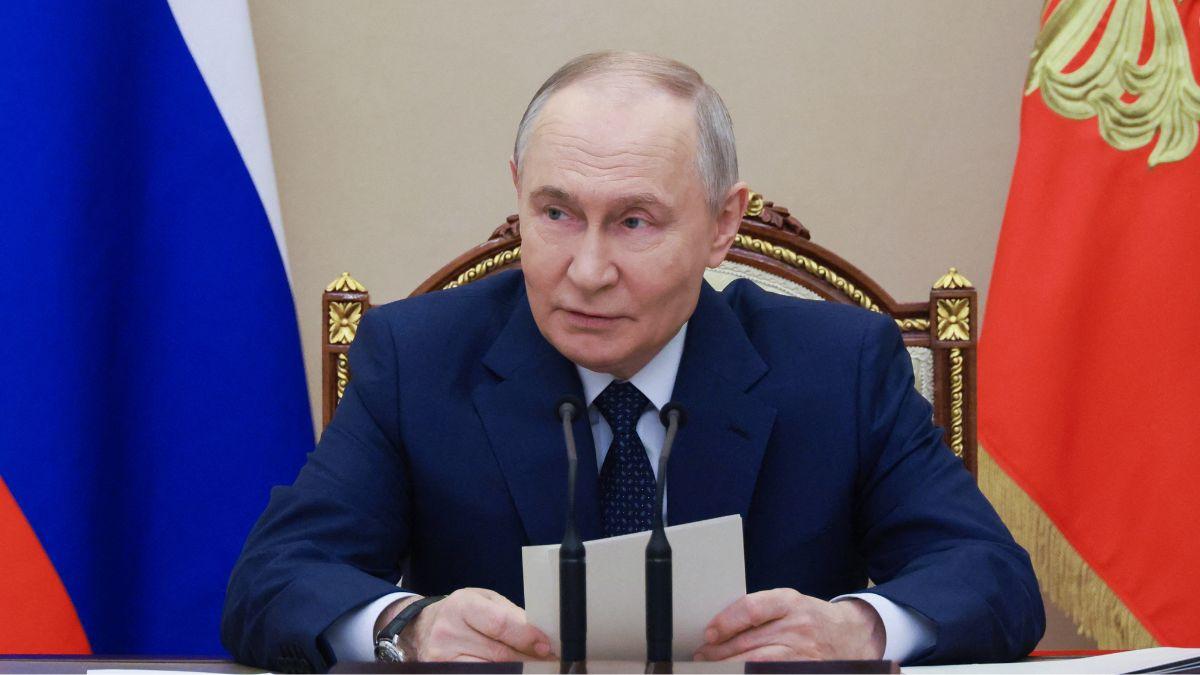
Osservatorio Balcani Caucaso Transeuropa Says Russia Plans No End to 2022 Invasion
12 sources compared

Ukrainian Drone Strike Kills Eight on Bus in Russian-Controlled Donetsk, Denis Pushilin Says
14 sources compared