
Russia Set to Deliver Lethal Drones to Iran Via Caspian Corridor by Mid Next Week
Key Takeaways
- European intelligence agencies report Russia near finalizing drone shipments to Iran for regional conflict.
- Kremlin denies drone deliveries, calling reports 'lies' while pledging continued dialogue with Tehran.
- Western officials claim Moscow also shares intelligence with Tehran to target US forces.
New escalation in drone support
Western intelligence officials have begun signaling that Russia is near completing a shipment of drones to Iran, a move that would mark the first lethal support in the current war.
“The Kremlin on Thursday called a Financial Times article 'lies' claiming that Russia was about to complete the shipment of drones to Iran, in the middle of the war in the Middle East”
The Guardian reports that drone deliveries could be completed by the middle of next week.

Kremlin spokespeople have rejected the claim, saying Moscow is in dialogue with Tehran and that humanitarian aid remains the priority.
Slate.fr and other non‑Western outlets frame this as a substantive escalation in military backing rather than mere aid.
The development follows deepening Russia–Iran coordination after Israeli and American strikes on Tehran.
Exact plan & routes
Officials describe a phased plan to deliver drones to Iran, likely built around models derived from Shahed designs such as the Geran‑2.
Analysts say the operation could also involve shipments of medicines and food routed via Azerbaijan across the Caspian Sea, and overland via Central Asia.
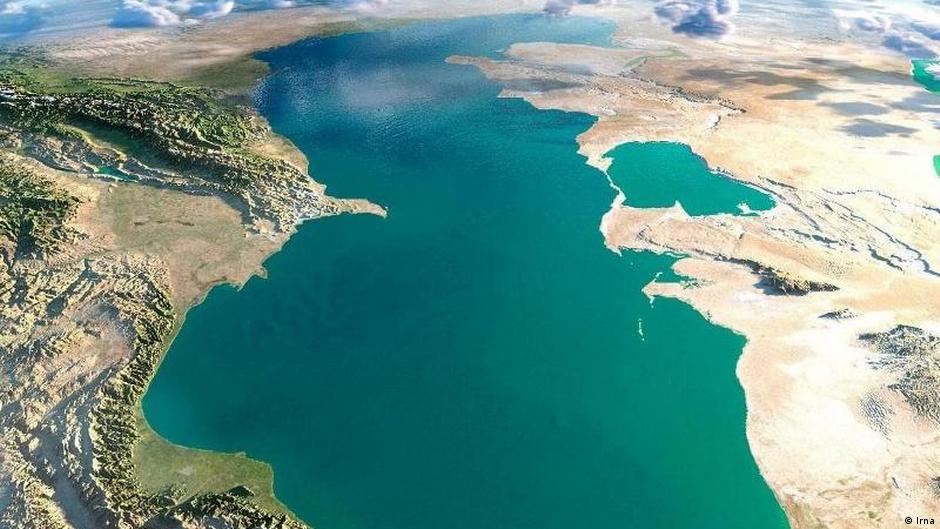
The Caspian route would offer an operational sanctuary from Western naval pressure, according to experts.
Implied emphasis on humanitarian cover has been noted, with Iran already receiving medicines via Azerbaijan.
The first cargoes are being framed as humanitarian while Western intelligence flags a broader, more strategic purpose.
Motives and strategic aim
Experts say Moscow's broader aim is to drag the United States into a costly, protracted conflict in West Asia to erode Western support for Ukraine.
“Iran and Russia are leveraging their shared maritime border to conduct commercial exchanges and military cooperation”
Analysts quoted in the i Paper argue that Russia hopes to leverage Iran to pull Washington into a 'bloody, costly quagmire.'
The Guardian notes that Putin’s gamble includes hoping escalation in West Asia will distract from Moscow's actions in Ukraine.
Non‑Western outlets emphasize this strategic framing as a calculated move rather than mere humanitarian support.
Denials & framing in media
Lavrov publicly denies sharing intelligence with Iran while acknowledging Russia's 'military equipment' to Tehran.
The Kremlin spokesperson Dmitry Peskov dismisses FT reports as 'lies' and says 'we are continuing our dialogue with Iranian leaders.'

European officials and outlets report that Moscow is providing precise intelligence to Tehran to target American forces and allied sites.
DW notes that much of the Western framing of this issue centers on intelligence sharing as a central dimension of the broader Russia–Iran alignment.
Regional logistics & implications
The Caspian route lies largely outside Western naval reach, creating a strategic sanctuary for ongoing Russia‑Iran military logistics according to critics and analysts.
“War in the Middle East: 'Putin's hidden hand', is Russia providing intelligence to Iran to 'kill Americans'”
Israel’s attacks on Iranian capacity and Tehran’s drone campaigns have already widened the geographic footprint of the conflict, inviting wider regional responses.

Analysts warn that this linkage could complicate diplomacy in West Asia and between Western powers and their regional partners.
Non‑Western outlets stress the regional consequences and the pressure on Caspian littoral states as Moscow and Tehran deepen their cooperation.
More on Russia

Thieves Steal 413,793 KitKat Formula One Car-Shaped Bars En Route From Italy To Poland
10 sources compared
Lukashenko Signs Friendship Treaty With North Korea, Gifts Automatic Rifle to Kim
11 sources compared

Russia Launches 24–36‑Hour Multi‑Wave Drone Barrage Targeting Western Ukraine And Baltics
18 sources compared

Latvia's Prime Minister Attributes Auvere Drone to Ukraine, Estonia Says Origin Unconfirmed
57 sources compared