
Russia Tests Trump's Cuba Blockade as Oil Tankers Head to Cuba
Key Takeaways
- Two Russian oil tankers head to Cuba, defying the U.S. embargo.
- Cuba's energy crisis worsens after Venezuela disruptions and U.S. sanctions.
- Shipments could test U.S. willingness to enforce the Cuba blockade.
Russian Challenge to Blockade
Russia has launched a significant challenge to the Trump administration's Cuba blockade by dispatching oil tankers carrying approximately 930,000 barrels of Russian crude and diesel to the island nation.
“Russia defies Trump and sends oil to Cuba on sanctioned ships amid an energy crisis”
This represents the first major energy shipment to Cuba in over three months and comes amid escalating tensions between Moscow and Washington over U.S. efforts to isolate Havana economically.
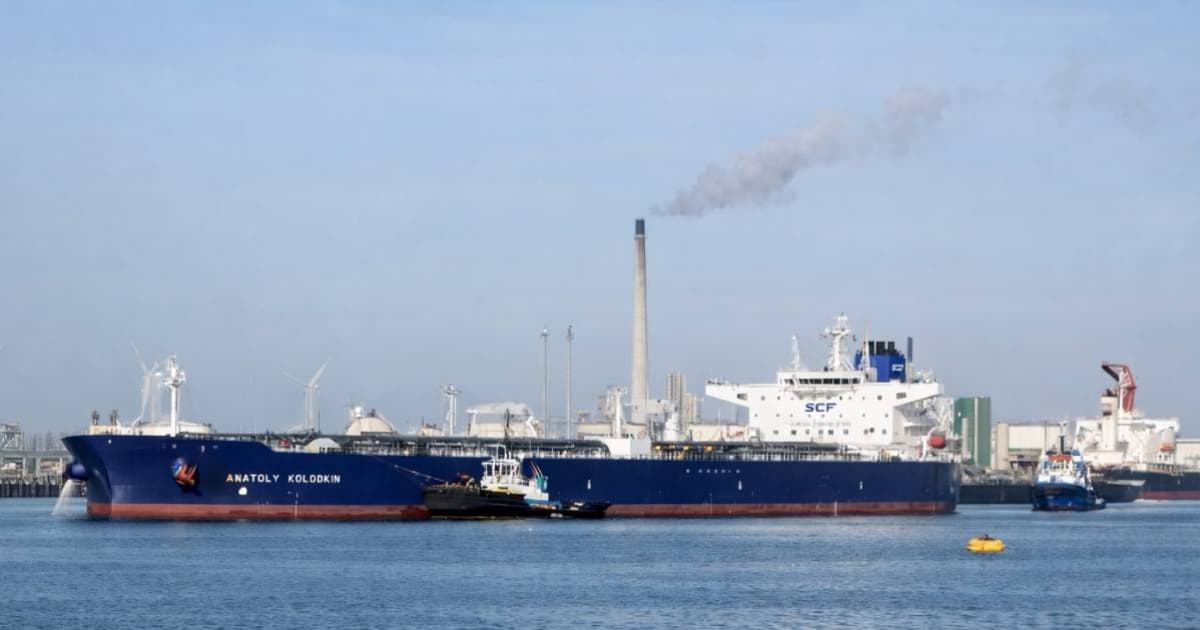
The Russian state-owned tanker Anatoly Kolodkin, sanctioned by the U.S., EU, and UK, departed from Primorsk port in Russia with 730,000 barrels of Urals crude.
The Hong Kong-flagged Sea Horse vessel is carrying 200,000 barrels of diesel fuel.
The Kremlin has openly defied U.S. pressure, with spokesman Dmitry Peskov stating Moscow was 'ready to provide all possible assistance' to Cuba as the island faces severe energy shortages.
Tanker Tactics and Cargo
The specific vessels involved in this geopolitical challenge employ sophisticated tactics to evade international sanctions and detection.
The Russian-flagged Anatoly Kolodkin, owned by Sovcomflot, loaded its cargo on March 8 and is expected to arrive at Cuba's Matanzas terminal by late March or early April.

The Sea Horse flying the Hong Kong flag has been employing evasion maneuvers including shutting off its Automatic Identification System (AIS) signal.
The vessel has repeatedly changed its declared destination - initially appearing to head for Havana, then switching to Gibraltar and finally Boston.
Maritime intelligence experts note that the Sea Horse lacks Western insurance coverage, allowing it to operate outside normal financial and legal oversight circuits.
These tactics, described as characteristic of Russia's 'ghost fleet,' highlight the lengths to which Moscow is willing to go to circumvent U.S.-led sanctions.
Cuba's Energy Crisis
Cuba's energy crisis has reached critical levels following the Trump administration's intensified pressure campaign against the island nation.
The situation was exacerbated in early January when the U.S. captured Venezuelan President Nicolás Maduro, depriving Cuba of its primary oil supplier that had provided a vital lifeline.
Mexico subsequently halted oil shipments, leaving Cuba with no significant fuel deliveries since January 9.
The resulting energy shortages have caused severe power outages lasting up to 10 hours daily, forcing reductions in working hours and crippling transportation networks.
Cuba produces only about 40% of its petroleum needs, with the remainder historically imported from Venezuela, Mexico, and Russia.
The Cuban government has been forced to prioritize fuel allocation for critical sectors like transportation and agriculture while implementing emergency measures including increased use of electric vehicles in essential services.
Geopolitical Confrontation
The escalating confrontation between Russia and the United States over Cuba has generated intense geopolitical rhetoric from both sides.
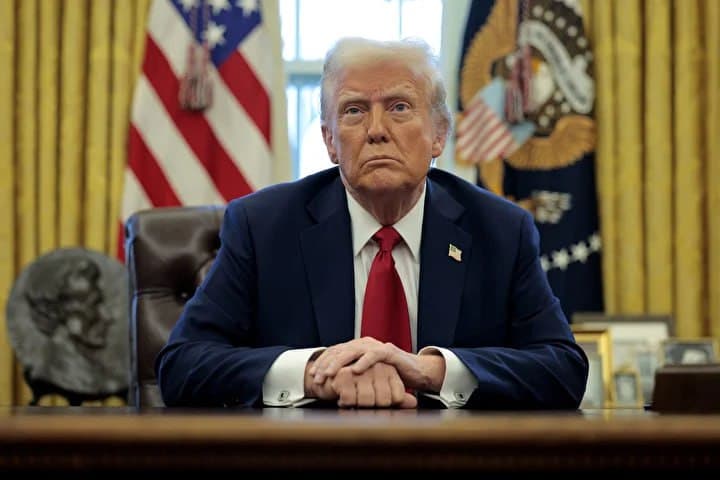
President Trump has made increasingly aggressive statements about Cuba, telling reporters at the White House that 'I could do anything I want with it... They're a very weakened nation right now,'
Trump also suggested he might have the 'honor' of taking over Cuba.
In response, Cuban President Miguel Díaz-Canel pledged to meet any U.S. aggression with 'impregnable resistance,' accusing Washington of threatening to destroy Cuba's constitutional order.
Cuban Foreign Minister Bruno Rodríguez condemned the U.S. actions as 'collective punishment' that would not 'dent the full exercise of our sovereignty.'
The U.S. Treasury Department has maintained its blockade, adding Cuba to a list of countries blocked from transactions involving Russian crude, even as the Trump administration has eased some sanctions on Russian and Venezuelan oil to boost global supply amid the conflict with Iran.
Strategic Implications
The arrival of Russian oil tankers represents a significant test of both Russian resolve and U.S. enforcement capabilities in the Caribbean region.
“The shipments represent an act of defiance to the U”
Maritime experts note that the shipments, while potentially providing crucial short-term relief to Cuba, are insufficient to address the island's long-term energy needs.

The Anatoly Kolodkin's cargo of 730,000 barrels of crude could supply Cuba with energy for several weeks after refining.
The Sea Horse's 200,000 barrels of diesel would meet the island's daily needs for approximately 9-10 days, given Cuba's consumption of roughly 20,000 barrels per day.
U.S. Southern Command General Francis Donovan clarified that his forces are not rehearsing an invasion of Cuba but are 'ready to confront any threat to its embassy, defend its base in Guantánamo Bay and manage any mass migration coming from Havana.'
Analysts suggest this confrontation could become a defining moment in U.S.-Russia relations over Western Hemisphere influence, with both sides demonstrating their willingness to challenge established geopolitical boundaries.
More on USA

Trump threatens to deploy ICE agents to US airports amid DHS funding standoff
46 sources compared

ICE Detainee Royer Perez-Jimenez Dies in Florida Detention Center; Officials Suspect Suicide
10 sources compared
Elon Musk Offers to Pay TSA Salaries During Partial Government Shutdown
50 sources compared

California lawmakers rename Cesar Chavez Day to Farmworkers Day amid sexual abuse allegations.
17 sources compared