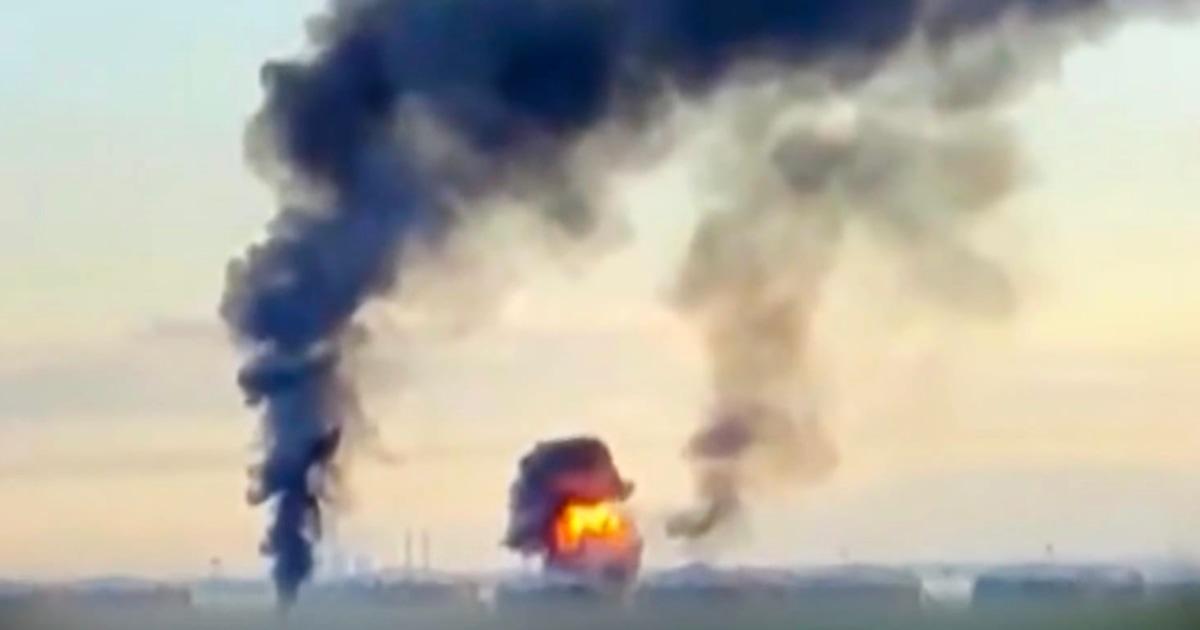
Russian Strikes Kill At Least 16 Across Ukraine On Chernobyl Anniversary
Key Takeaways
- At least 16 killed by drone and missile strikes across Ukraine, Russia, and Russian-occupied territories.
- Strikes coincided with the 40th Chernobyl anniversary, prompting warnings about nuclear-site risks.
- Zelensky called Russia's actions nuclear terrorism during the Chernobyl anniversary.
Chernobyl anniversary amid strikes
Strikes across Ukraine, Russian-occupied territory and Russia killed at least 16 people as the 40th anniversary of the Chernobyl nuclear disaster prompted fresh warnings about the risks posed by attacks near the plant during Russia’s more than four-year invasion of its neighbor.
“KYIV, Ukraine (AP) — Strikes across Ukraine, Russian-occupied territory and Russia killed at least 16 people, authorities said, as the40th anniversaryof the Chernobyl nuclear disaster prompted fresh warnings about the risks posed by attacks near the plant duringRussia’s more than four-year invasionof its neighbor”
The death toll from Russian drone and missile strikes on the city of Dnipro rose to nine, regional head Oleksandr Hanzha said on Sunday, while Moscow-installed authorities said one man was killed in a Ukrainian drone strike on the port city of Sevastopol in Russian-occupied Crimea.

Leonid Pasechnik, the Russia-installed governor in Ukraine’s Luhansk region, said three people were killed in an overnight Ukrainian drone strike on a village after reporting two people were killed in the early hours of Saturday.
The latest strikes came after a woman was killed in a Ukrainian drone attack on Russia’s Belgorod border region, according to local authorities.
Ukraine’s President Volodymyr Zelensky marked the anniversary with a warning that Russian attacks risk repeating history, writing, “Through its war, Russia is once again bringing the world to the brink of a man‑made disaster.”
Rafael Grossi, the head of the International Atomic Energy Agency, toured a newly opened permanent Chernobyl exhibition at Kyiv’s National Museum on Sunday alongside Zelensky, as officials and policymakers linked the anniversary to current battlefield risks.
What led to the warnings
The anniversary focus sharpened because officials and leaders tied current attacks to specific vulnerabilities at Chernobyl, including the protective structures built after the 1986 explosion of Reactor 4 at the Chernobyl Nuclear Power Plant.
Straight Arrow News said Ukrainian and international nuclear officials marked four decades since the April 26, 1986, explosion of Reactor 4, described as the world’s worst nuclear accident, while warning about the risks of military activity near nuclear facilities during the war.

Zelensky’s statements pointed to Russian-Iranian Shahed drones regularly flying over the site, and he said one drone struck the plant’s protective structure last year.
The IAEA assessments described by Straight Arrow News said the damage sustained during a strike in 2025 has already compromised a key safety function of the structure, increasing risks to the older concrete sarcophagus beneath it if left unaddressed.
The European Bank for Reconstruction and Development estimated that repairs would cost at least $586 million, and the AP-based reporting said the death toll was rising even as the anniversary prompted warnings about attacks near the plant.
The Moscow Times also framed the anniversary through the lens of ongoing drone activity, saying Zelensky highlighted that Russian drones regularly pass over Chernobyl and that one had hit its protective shell last year.
Together, the reporting tied the anniversary not only to historical catastrophe but to present-day strike patterns and the condition of Chernobyl’s outer protective shell and New Safe Confinement structure.
Voices from Kyiv and nuclear officials
Zelensky used the anniversary to accuse Russia of escalating nuclear danger, warning that Russian attacks risk repeating history and describing the threat in stark terms.
“16 dead in strikes as Chernobyl anniversary highlights nuclear risks of Russia-Ukraine war ‘Through its war, Russia is once again bringing the world to the brink of a man-made disaster,’ said Ukraine’s President Zelensky on Sunday Strikes across Ukraine, Russian-occupied territory and Russia killed at least 16 people, authorities said, as the 40th anniversary of the Chernobyl nuclear disaster prompted fresh warnings about the risks posed by attacks near the plant during Russia’s more than four-year invasion of its neighbour”
In the reporting, Zelensky wrote, “Through its war, Russia is once again bringing the world to the brink of a man‑made disaster,” and he added, “The world must not allow this nuclear terrorism to continue, and the best way is to force Russia to stop its reckless attacks,” pointing to Russian-Iranian Shahed drones regularly flying over the plant.
Rafael Grossi, director general of the International Atomic Energy Agency, echoed those concerns during a visit to Kyiv, saying repairs to the plant’s damaged outer protective shell must begin immediately and that IAEA assessments show the damage sustained after a strike last year has already compromised a key safety function.
Straight Arrow News said Grossi echoed those concerns and stated that repairs must begin immediately, while also noting that assessments show the damage already compromised a key safety function.
The Moscow Times added that Grossi commented on the shell damage by saying, “repairs should start as soon as possible and that leaving the situation as it is now is problematic.”
The reporting also placed Moldovan President Maia Sandu alongside Grossi and Zelensky at commemorative events, and it said Sandu joined the commemorative events as Ukraine marked the 40th anniversary amid deadly new drone attacks.
In parallel, Rosatom’s successor position was presented through a statement that “To remember Chernobyl means to remember the people who bore the brunt of the disaster and to take that experience into account in every decision we make today to prevent a similar catastrophe.”
How outlets frame the same day
While multiple outlets described the same broad pattern of strikes and the same anniversary-driven nuclear risk warnings, they diverged in emphasis, including how they characterized the violence and what additional policy debate they attached to the commemorations.
The South China Morning Post and AP-based local reprints centered on the death toll and the anniversary warning, with the AP material stating, “Strikes across Ukraine, Russian-occupied territory and Russia over the past day killed at least 16 people,” and naming Oleksandr Hanzha’s figure for Dnipro and the Sevastopol death reported by Moscow-installed authorities.

Straight Arrow News, by contrast, expanded the frame by linking the anniversary to a broader debate in the United States about nuclear power expansion, quoting Edwin Lyman of the Union of Concerned Scientists saying, “Complacency is the enemy of safety,” and warning that policymakers appear “anxious to unlearn” the lessons of Chernobyl.
That same Straight Arrow News report also included details about U.S. policy, saying that in May 2025 President Donald Trump issued four executive orders calling for expansion of the U.S. nuclear power industry, including a goal of adding 300 gigawatts of nuclear capacity by 2050.
The Moscow Times emphasized Zelensky’s accusation of “nuclear terrorism” and added a discussion of repair timelines and constraints, stating that any repairs to the massive metal outer structure “may potentially take up to four years” and that such repairs are “virtually impossible due to Russia's invasion,” as Greenpeace said.
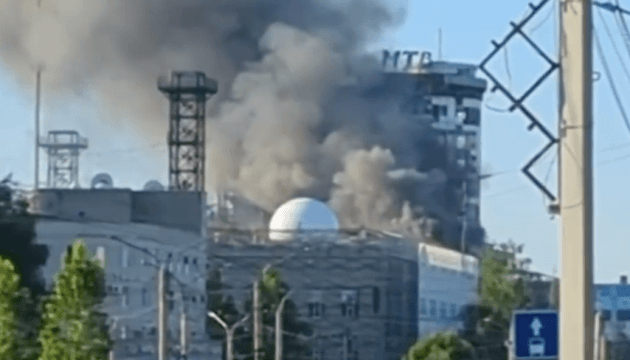
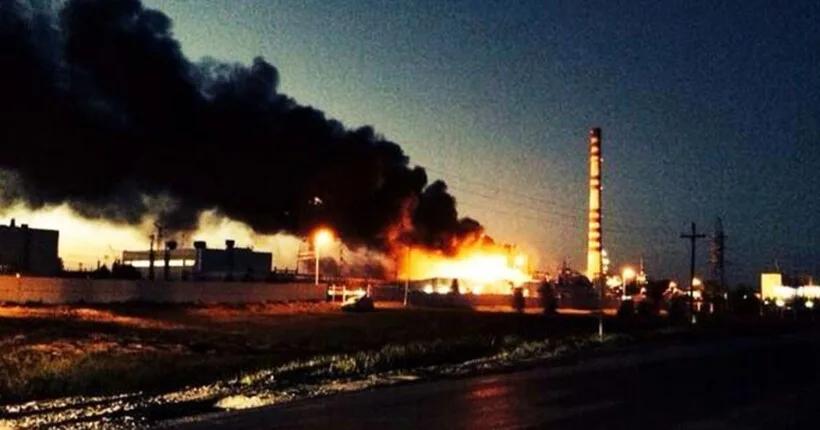
Even within the AP-based text, the Standard Democrat reprint included additional strike details beyond the 16-death figure, including that Ukrainian forces struck an oil refinery in Yaroslavl and that the facility processes 15 million tons of oil a year and produces gasoline, diesel and jet fuel for the Russian military.
Across these differences, the common thread remained Zelensky’s warning that Russia’s war brings the world to “the brink of a man-made disaster,” but each outlet attached that warning to different audiences and implications.
Consequences and next steps
The reporting tied immediate consequences to both the battlefield and the nuclear infrastructure, with multiple sources describing why repairs and action could not be delayed.
“Russian and Ukrainian drone and missile strikes killed at least 16 people across Ukraine and Russia, authorities said Sunday, as the 40th anniversary of the Chernobyl nuclear disaster renewed warnings about the risks of military activity near nuclear facilities during the war”
Straight Arrow News said Grossi echoed concerns that repairs to Chernobyl’s damaged outer protective shell must begin immediately, and it stated that IAEA assessments show the damage sustained during a strike in 2025 has already compromised a key safety function of the structure, increasing risks to the older concrete sarcophagus beneath it if left unaddressed.

The Standard Democrat reprint similarly said IAEA assessments show the damage sustained after a strike last year has already compromised a key safety function, warning that years of inaction could heighten danger to the original sarcophagus beneath it.
It also provided a cost estimate, saying the European Bank for Reconstruction and Development said repairs would require at least 500 million euros ($586 million), while Straight Arrow News said the European Bank for Reconstruction and Development estimated repairs would cost at least $586 million.
The Moscow Times added that Greenpeace said any repairs to the massive metal outer structure “may potentially take up to four years” and that repairs are “virtually impossible due to Russia's invasion,” underscoring the operational constraints on the ground.
Beyond Chernobyl itself, the AP-based reporting described ongoing strike activity that included fires at an oil refinery in Yaroslavl, with the Standard Democrat reprint saying the facility processes 15 million tons of oil a year and produces gasoline, diesel and jet fuel for the Russian military.
In the background of the nuclear risk debate, Straight Arrow News also described U.S. policy moves that could shape future nuclear safety posture, including that Trump’s executive orders directed faster reactor testing and licensing, expanded fuel production and fuel recycling, and an overhaul of the Nuclear Regulatory Commission, while Edwin Lyman warned that the push for rapid expansion raises alarms.
More on Ukraine War

Russia Launches 660 Drone Strike, Killing at Least Seven in Ukraine Overnight
13 sources compared

Donald Trump Jabs Prince Harry Over Ukraine Remarks, Tells Him ‘Give Meghan My Regards’
43 sources compared

Zelensky Calls US Envoys Steve Witkoff and Jared Kushner’s Kyiv Skip Disrespectful
18 sources compared

Zelenskyy Meets Aliyev in Azerbaijan, Says Ukraine Is Ready for Russia Peace Talks
27 sources compared