DR Congo09 December, 20252 min read
Rwanda-Backed M23 Rebels Advance on Uvira, Forcing 200,000 to Flee and Driving Congolese Soldiers Into Burundi
This article is an automated aggregation of coverage from news outlets. Our editorials offer in-depth analysis curated by the NewsCord team.
Rwanda-backed M23 rebels advanced toward Uvira in eastern DRC About 200,000 civilians fled eastern DRC because of the M23 offensive

6 outlets told this the same way.
M23 offensive in eastern DRC
M23 rebels have launched a renewed offensive in eastern Democratic Republic of Congo, advancing toward the strategic border city of Uvira and prompting a massive civilian exodus. The UN says about 200,000 people have fled homes in eastern DRC since the latest fighting began, with residents and witnesses reporting sporadic gunfire, explosions and large numbers of people crossing into neighbouring Burundi.
“The offensive has prompted large civilian displacements: the UN says about 200,000 people have fled homes in eastern DRC since the latest fighting began, and Burundian authorities reported tens of thousands of arrivals in recent days.”
Reports describe Uvira under lockdown, with shops and schools closed, and widespread panic as soldiers and civilians move away from frontlines. The offensive comes days after a US-mediated truce between the DRC and Rwanda, which the M23 were not party to and are negotiating separately under Qatari mediation.

Contested control of Uvira
Witnesses and some reports say rebels have seized several strongholds, including Uvira, and observed army units retreating. Soldiers were reportedly crossing into Tanganyika province and heading towards Burundi.
Other reports indicate Uvira was in lockdown, with schools and shops closed, while South Kivu's governor denied the city had fallen. The uncertainty over control has fed panic and contributed to military movements across provincial and international borders.

Humanitarian impact and displacement
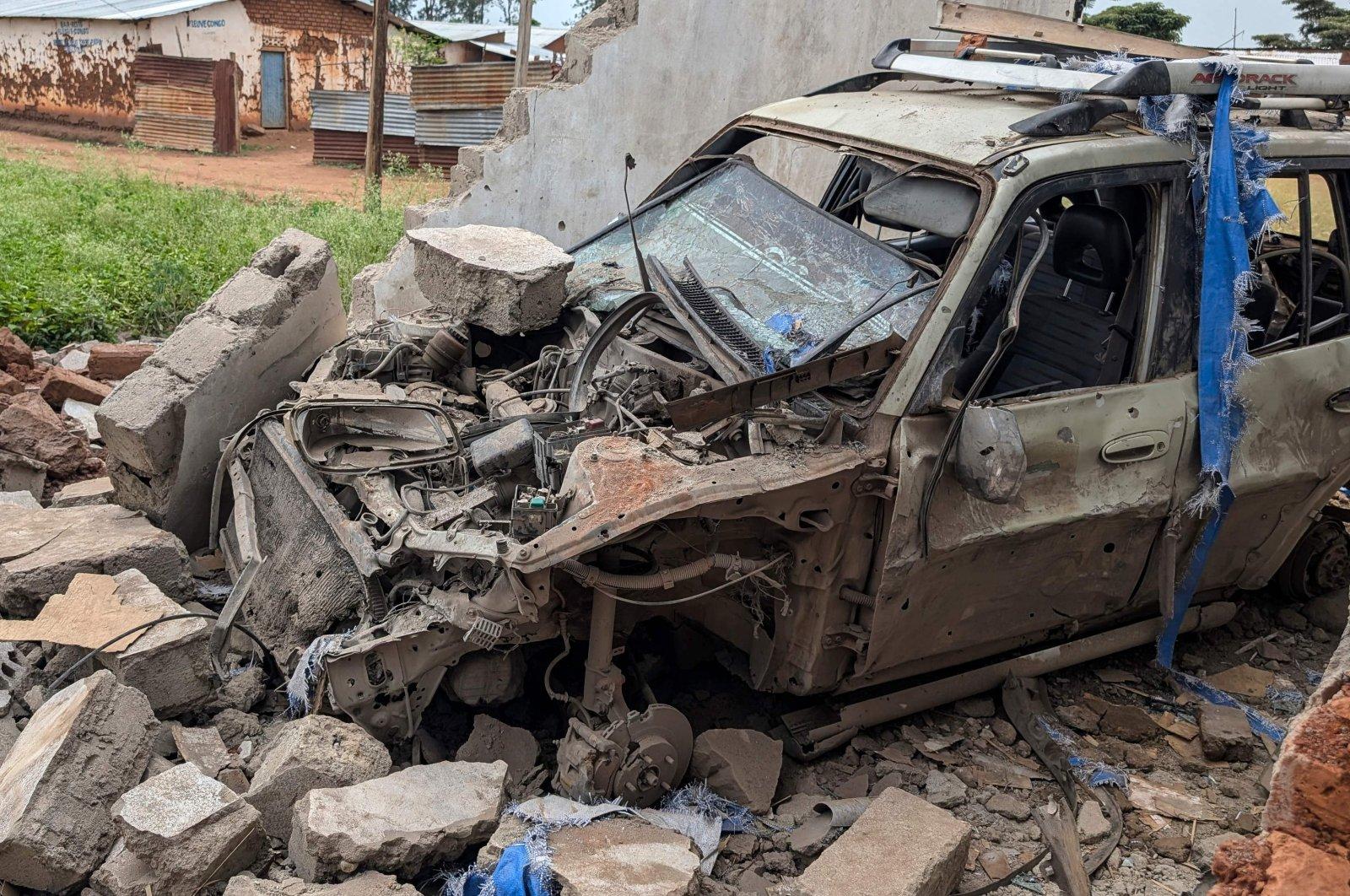
The UN and multiple outlets cite at least 74 people killed in the latest fighting. A bomb blast in Sange was reported to have killed more than 30 people.
“The UN reported at least 74 killed and dozens wounded.”
Reuters cited a grenade attack in Sange that killed up to 36. Tens of thousands have crossed into Burundi recently and hundreds more into Rwanda, compounding an already severe regional humanitarian crisis.
Accusations over M23 involvement
Regional and international actors are trading accusations over who is responsible. International actors, including the US, the EU and several European countries, have accused Rwanda of backing M23 and urged restraint. Rwanda denies involvement and says Congolese and Burundian forces violated the ceasefire and bombed villages.
UN experts have said Rwanda's army has de facto control of M23 operations. Leaders in Kinshasa and Bujumbura have publicly accused Rwanda of breaching the recent peace pact.
Rwanda rejects those accusations. The divergence of claims complicates implementation of the US-brokered truce and leaves M23, which was excluded from the agreement, negotiating separately.
M23 Expansion and Impact
Observers warn the crisis could deepen as M23's expansion and control over territory and minerals transform local governance and economies. A U.N. panel and other reporting estimate M23's ranks grew dramatically this year and that it controls multiple mining sites, collecting taxes, running courts and even issuing visas while Doha negotiations proceed separately from the US-brokered deal. Diplomats and analysts warn that a collapse of talks could produce irreversible fragmentation and a worsening humanitarian catastrophe in a region already plagued by decades of conflict.
“U.N. and Reuters sources estimate its ranks grew from about 5,000 to over 14,000 fighters this year and it now controls territory home to as many as 9 million people.”