
Saudi Arabia Imposes Fines and Travel Bans for Visiting Restricted Countries
Key Takeaways
- Fines for traveling to restricted countries reach up to SR30,000.
- Travel bans for violators range 2–5 years.
- Measures were approved by Interior Minister Prince Abdulaziz bin Saud bin Naif.
New Travel Penalties
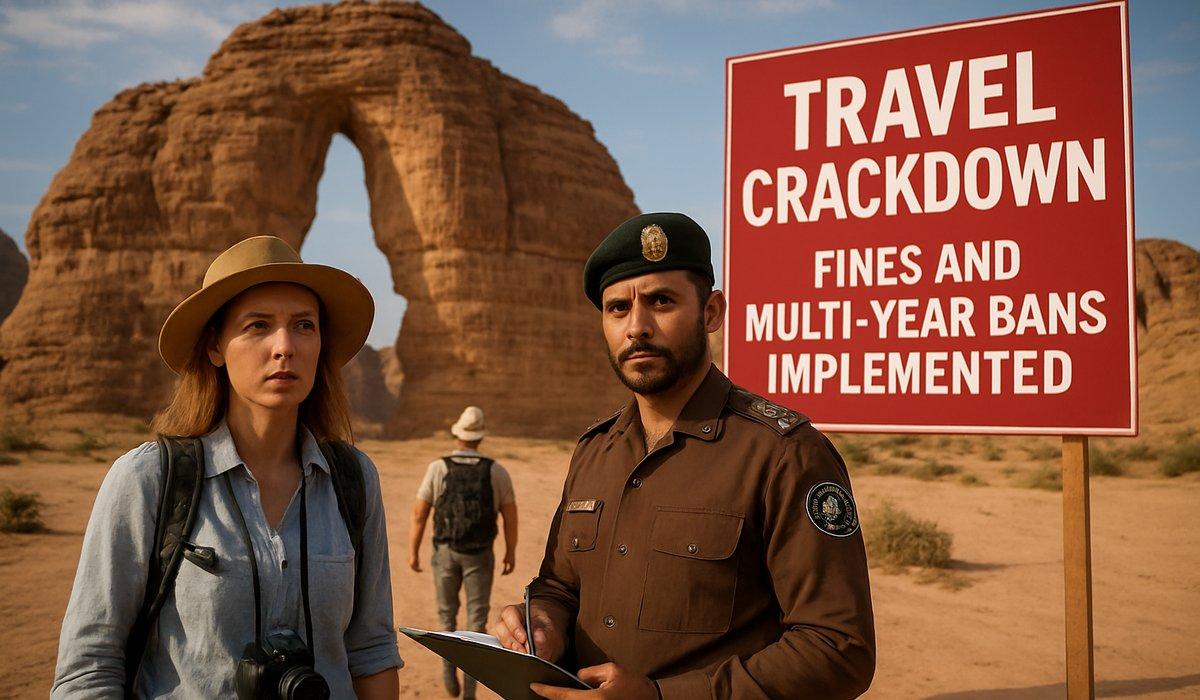
Saudi Arabia introduced travel regulations imposing fines and bans on citizens visiting restricted countries without approval.
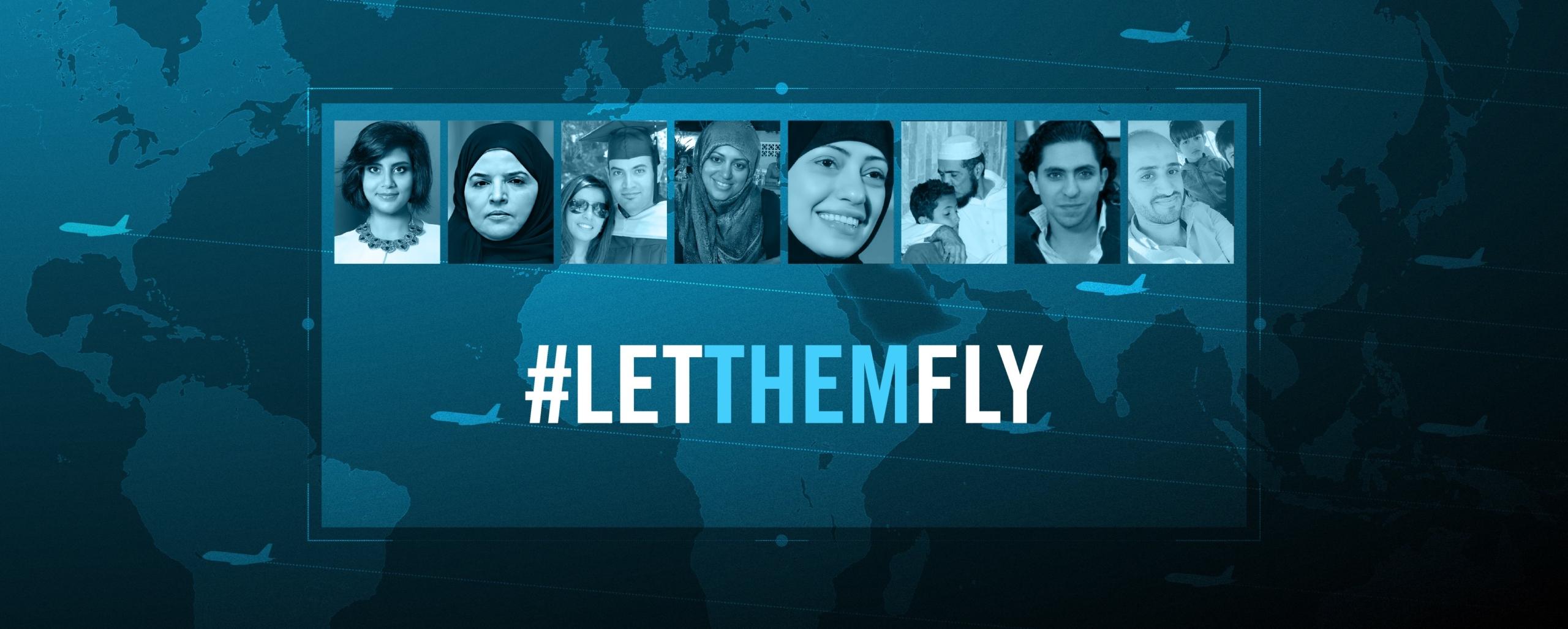
“VOUS NE POUVEZ PAS PARTIR, MAIS ON NE VOUS DIRA PAS POURQUOI : INTERDICTIONS DE VOYAGER EN ARABIE SAOUDITE Depuis que le prince héritier Salman bin Abdulaziz al Saoud est monté sur le trône en 2015, l’Arabie saoudite est le théâtre d’une répression à grande échelle de la liberté d’expression, qui cible les défenseur·e·s des droits humains et un large éventail de personnes ayant manifesté une quelconque forme de dissidence ou de critique à l’égard du régime”
Repeat offenders face fines doubling and bans extending to five years.
Misuse of travel documents can attract fines up to SR100,000.
The restrictions apply to conflict-affected countries including Iran, Afghanistan, Yemen, Syria, Lebanon and Somalia.
Human Rights Concerns
Amnesty International framed the travel bans as part of a broader repression of freedom of expression in Saudi Arabia since 2015.
Almost all human rights defenders and activists had been arbitrarily detained or subjected to unfair trials.
The killing of Jamal Khashoggi and digital surveillance further reduced civic space.
These human rights dimensions were absent from Saudi coverage.
Advanced Digital Enforcement
Saudi Arabia actively monitors passport telemetry to enforce travel bans.
“Saudi Arabia Imposes Fines and Travel Bans for Citizens Visiting Restricted Countries Saudi Arabia has enacted new rules penalizing citizens who travel to restricted destinations, with fines reaching up to SR30,000 and travel bans of up to two years, following approval by Interior Minister Prince Abdulaziz bin Saud bin Naif”
The five-year ban physically traps individuals inside the kingdom.
Saudi Arabia joins a coalition including Kuwait, Israel, South Korea and the United States in policing citizen movements.
The operational force relies on hyper-advanced digital border tracking.
More on Asia

UN Security Council Postpones Vote on Bahrain-Led Hormuz Resolution
19 sources compared

Brent Crude Surges 59% in March as Strait of Hormuz Closure Chokes Global Energy
13 sources compared

Iran Drones Kill French Journalist, Bomb Madrid
15 sources compared

Myanmar Parliament Elects Coup Leader Min Aung Hlaing President
19 sources compared