Africa29 March, 20261 min read
Scientists Unearth 18-Million-Year-Old Ape Fossils in Egypt Challenging Human Origin Theories
This article is an automated aggregation of coverage from news outlets. Our editorials offer in-depth analysis curated by the NewsCord team.
Masripithecus fossils dating to about 18 million years found in Wadi Moghra, northern Egypt. Findings could rewrite the human evolution narrative and ape-origin timeline.
%2Fhttps%3A%2F%2Ftf-cmsv2-smithsonianmag-media.s3.amazonaws.com%2Ffiler_public%2Fca%2F13%2Fca138db3-4483-4887-b456-3a6a0025a2dc%2Fsei_290855396jpg.webp&w=1920&q=75)
Egyptian Ape Discovery
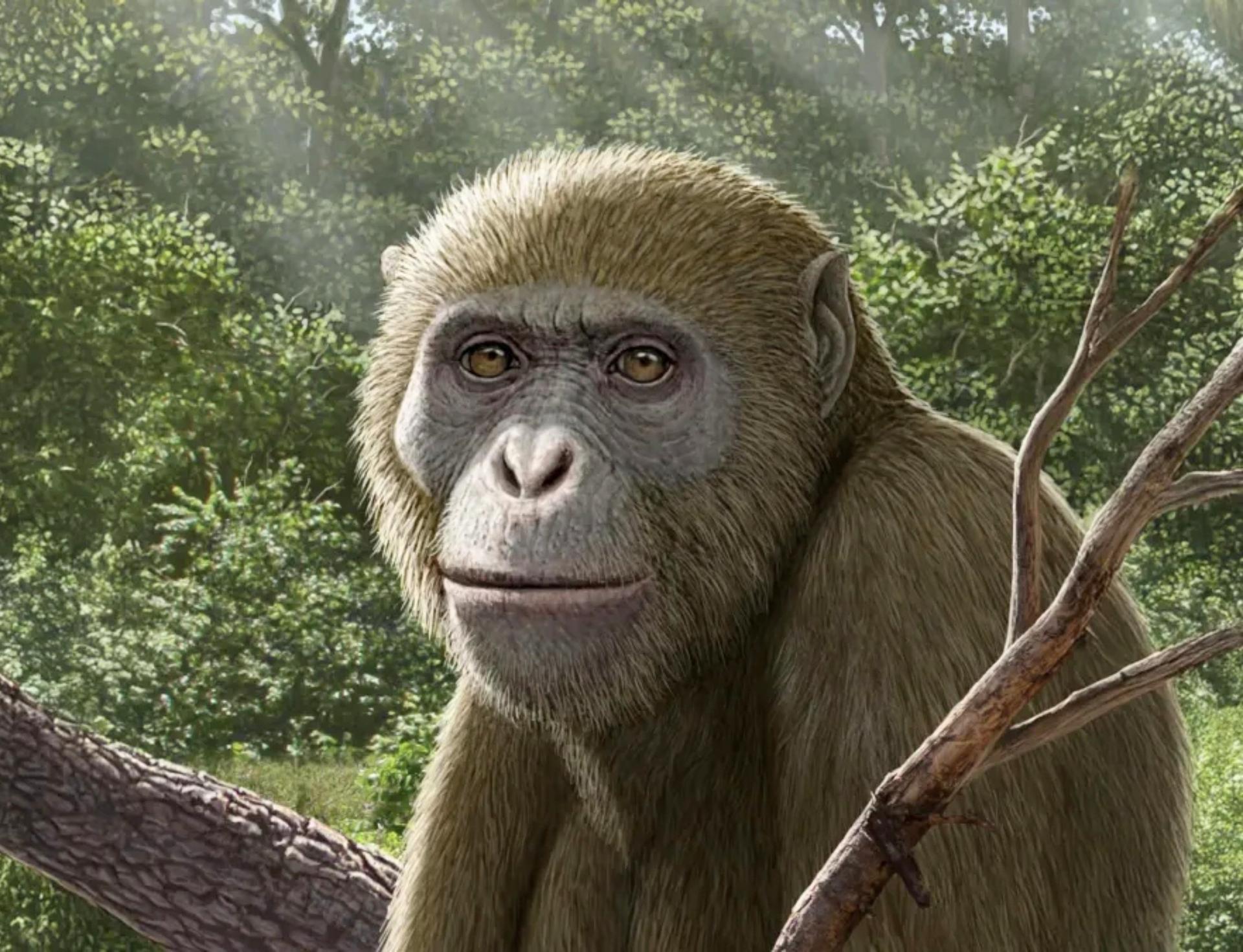
Scientists unearthed 17- to 18-million-year-old fossils of a previously unknown ape species in northern Egypt's Wadi Moghra. The new genus and species, Masripithecus moghraensis, was identified from jaw fragments and teeth that didn't belong to any known ape species. The find places Masripithecus on the ancestral line of living apes, just before the split between great apes and lesser apes.
This implies the last common ancestor of all living apes may have lived in northern Afro-Arabia. The discovery has sparked debate, with some experts calling the interpretation a bit far-fetched.
Evolutionary Significance
The Masripithecus fossils closely resemble predictions of the common ancestor of all modern apes. The species likely depended mainly on fruits but could also process harder foods like nuts and seeds. Researchers created an evolutionary tree placing Masripithecus very close to the last common ancestor of all living apes.
This challenges the focus on East Africa as the cradle of modern apes. The discovery fits with known evidence that today's nonhuman great apes are found in Africa and Southeast Asia.
Broader Implications
The discovery has significant implications for understanding natural selection and genetic diversity. Populations in North Africa likely developed adaptations to survive in changing climates. Fossil evidence combined with ancient DNA studies shows that distinct populations coexisted and sometimes interbred.
The find has sparked debate about North Africa's role in early human evolution. Large parts of Africa have not been explored in detail, so more important fossils may still be waiting underground.