Sectarian Tensions Fuel Displacement Crisis in Lebanon's Post-War Landscape
Key Takeaways
- Displacement across Beirut, Beqaa, and southern Lebanon shows figures from tens to hundreds of thousands.
- Shiite Lebanon residents report rising hostility and eviction risk linked to sectarian stigma.
- International concern cites potential war crimes, with UN warnings amid civilian toll.
Shiite Displacement and Sectarian Rent
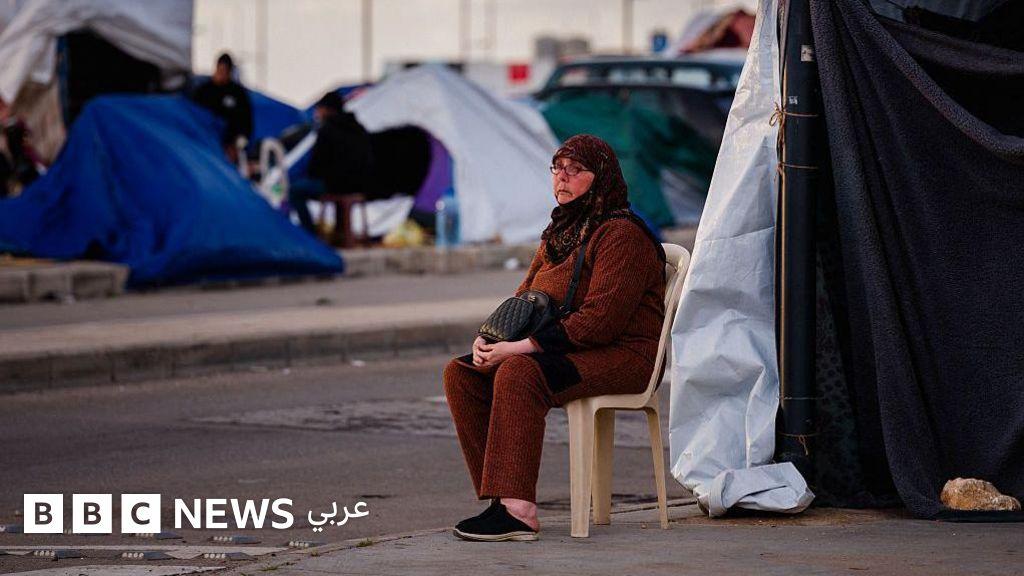
More than a million people, mostly Shiite, displaced by evacuation orders and airstrikes have faced rising hostility and limited options.
“A hasty departure and a life left behind”
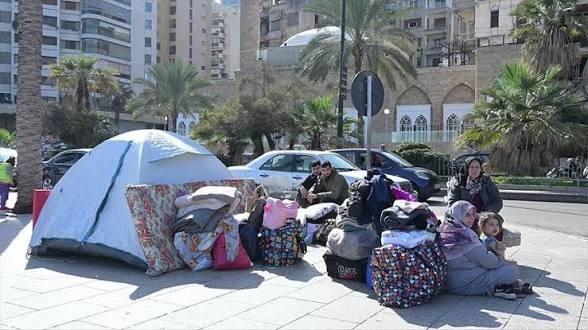
Shuman fled southern Beirut but did not try to rent an apartment elsewhere because Shiites are not welcome and landlords charge exorbitant prices.
He set up a small tent in central Beirut and refused an offer to move to a Christian town, saying he has dignity and respect staying here.
This sectarian rent discrimination was reported consistently by multiple outlets, illustrating the deep social fissures ignited by the war.
Mass Displacement and Humanitarian Strain
The UNHCR estimated 30,000 displaced following evacuation of 50 villages and heavy air strikes.
By March 11, more than 800,000 had been displaced with the death toll at 634.
Euro-Med Monitor described this as one of the largest internal displacement waves in Lebanon's modern history.
Substantial segments of the population refused to leave despite fear and bombardment.
Rising Death Toll and Infrastructure Destruction
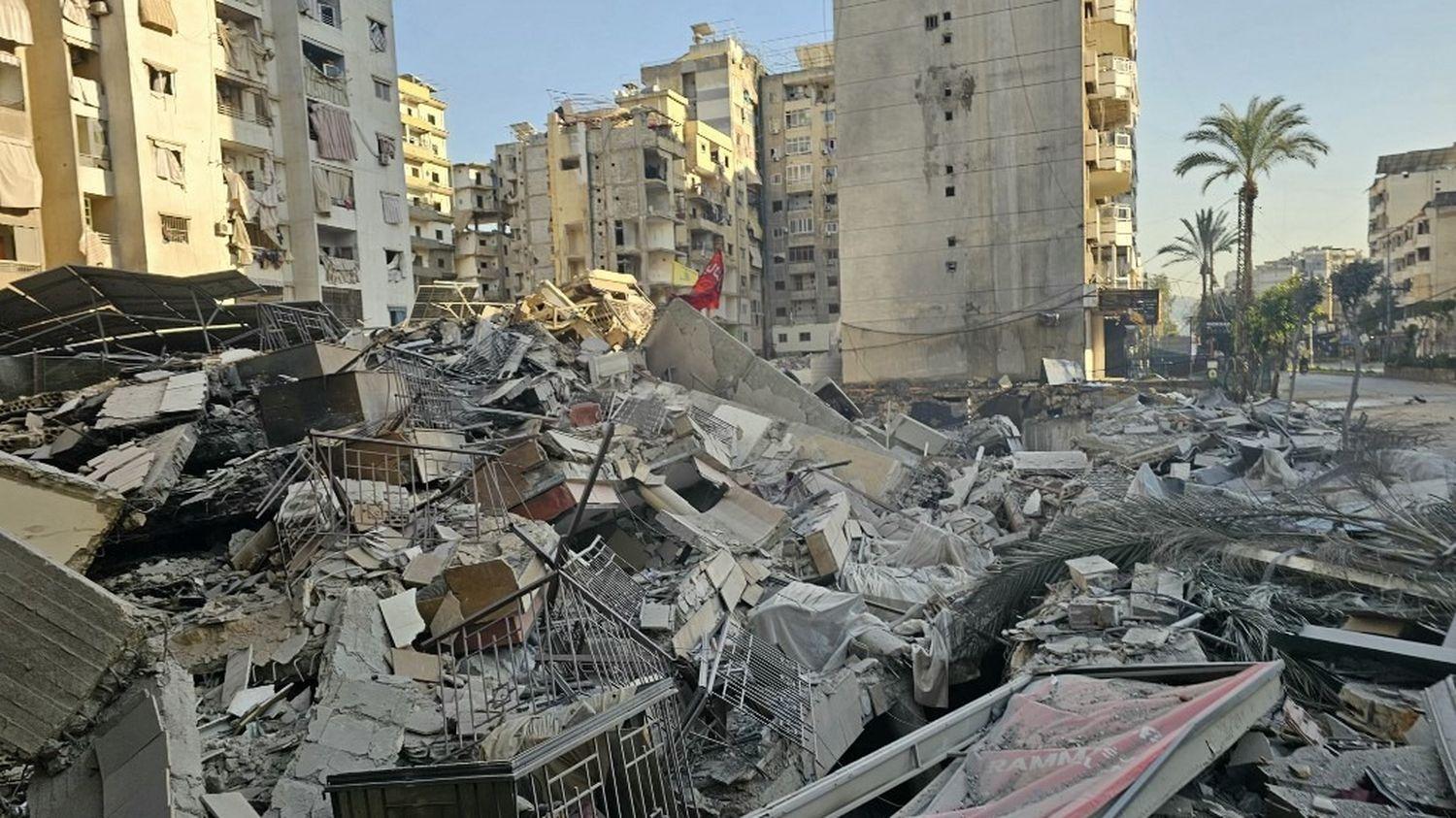
The Lebanese Health Ministry reported 1,345 dead and 4,040 wounded by April 2.
“Beirut – The Euro-Mediterranean Human Rights Monitor warned of catastrophic humanitarian consequences resulting from expanding Israeli military operations against Lebanon, including the issuance of unlawful evacuation orders that have caused a wide-scale forced displacement, at a time when the infrastructure and humanitarian services are unable to respond to the escalating needs of the displaced”
More than 11,000 structures were damaged in Beirut alone, and power and telecom outages reached 80%.
Public attitudes turned resolutely anti-Israeli with 71% disapproval according to a YouGov poll.
About twenty states including France expressed deep concern at the UN.
Political Reverberations and Reconstruction Debate
President Frangieh pledged urgent and comprehensive reconstruction.
The debate over Lebanon's recovery was overshadowed by intensifying sectarian divides and geopolitical tensions.
Hezbollah's political influence and Iran's role remained central to discourse within Lebanon and international diplomacy.
The fractured political landscape complicated efforts to address needs and rebuild.
More on Lebanon
Israel Plans Southern Lebanon Occupation as Strikes Kill 1,300
13 sources compared

UN Experts Demand International Probe Into Israel's Killing of Lebanese Journalists
10 sources compared
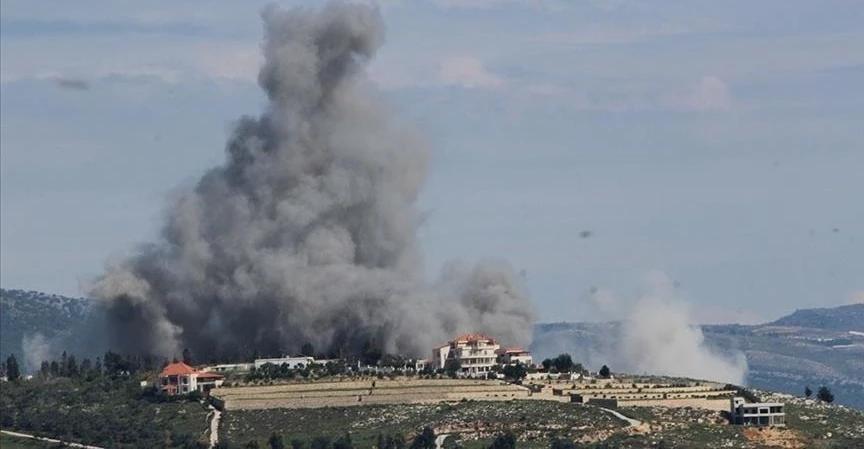
Hezbollah Conducts 1,300+ Strikes as Israel Plans Security Zone in Lebanon
14 sources compared
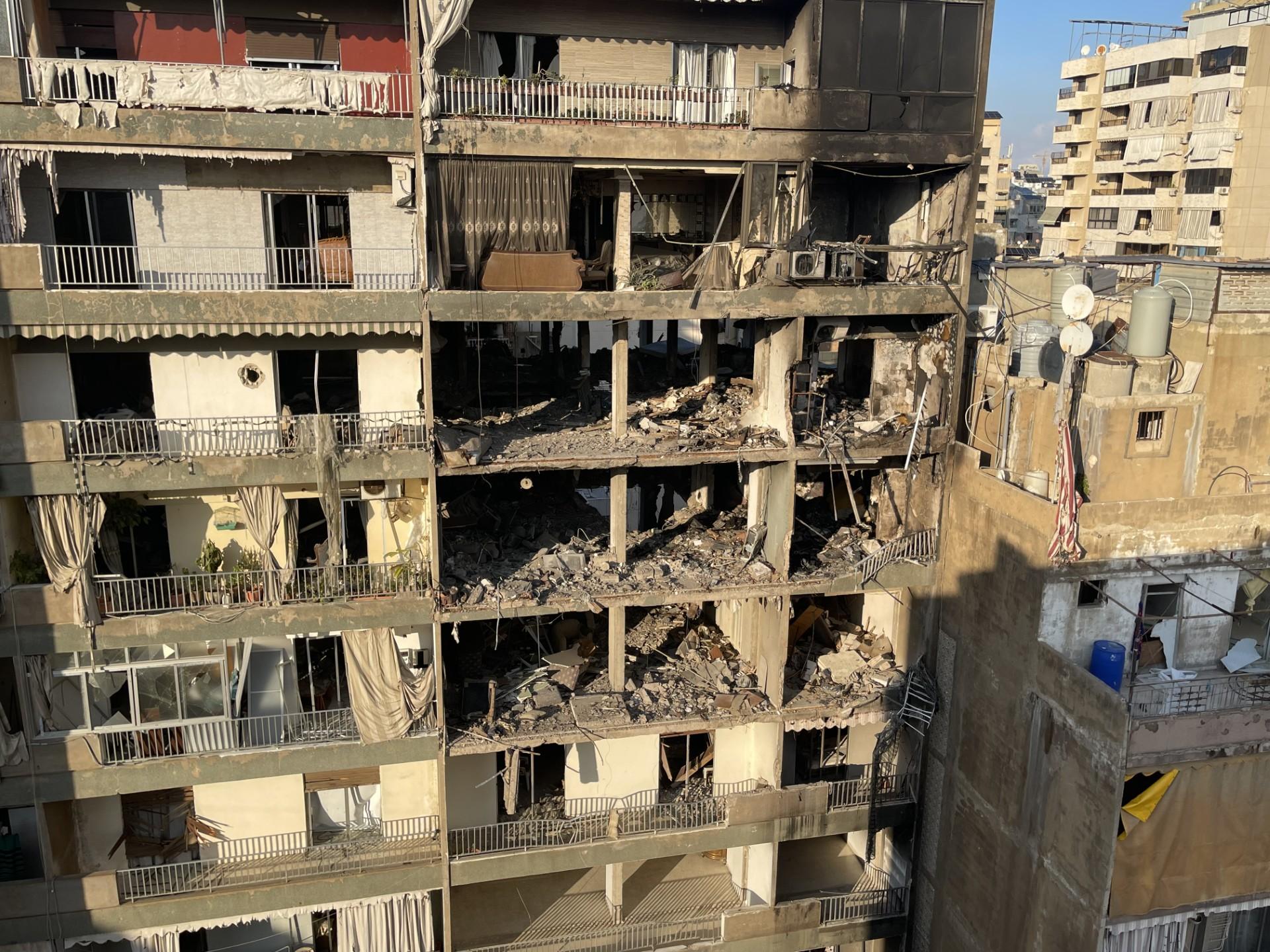
Lebanese-French Artist Ali Cherri Files War Crime Complaint in Paris Over Israeli Strike
10 sources compared