USA24 March, 20264 min read
Senate confirms Markwayne Mullin as DHS secretary, set to be sworn in this afternoon.
This article is an automated aggregation of coverage from news outlets. Our editorials offer in-depth analysis curated by the NewsCord team.
Senate confirms Mullin as DHS secretary in a 54-45 vote. He will replace Kristi Noem as head of DHS.
Confirmation Vote Dynamics
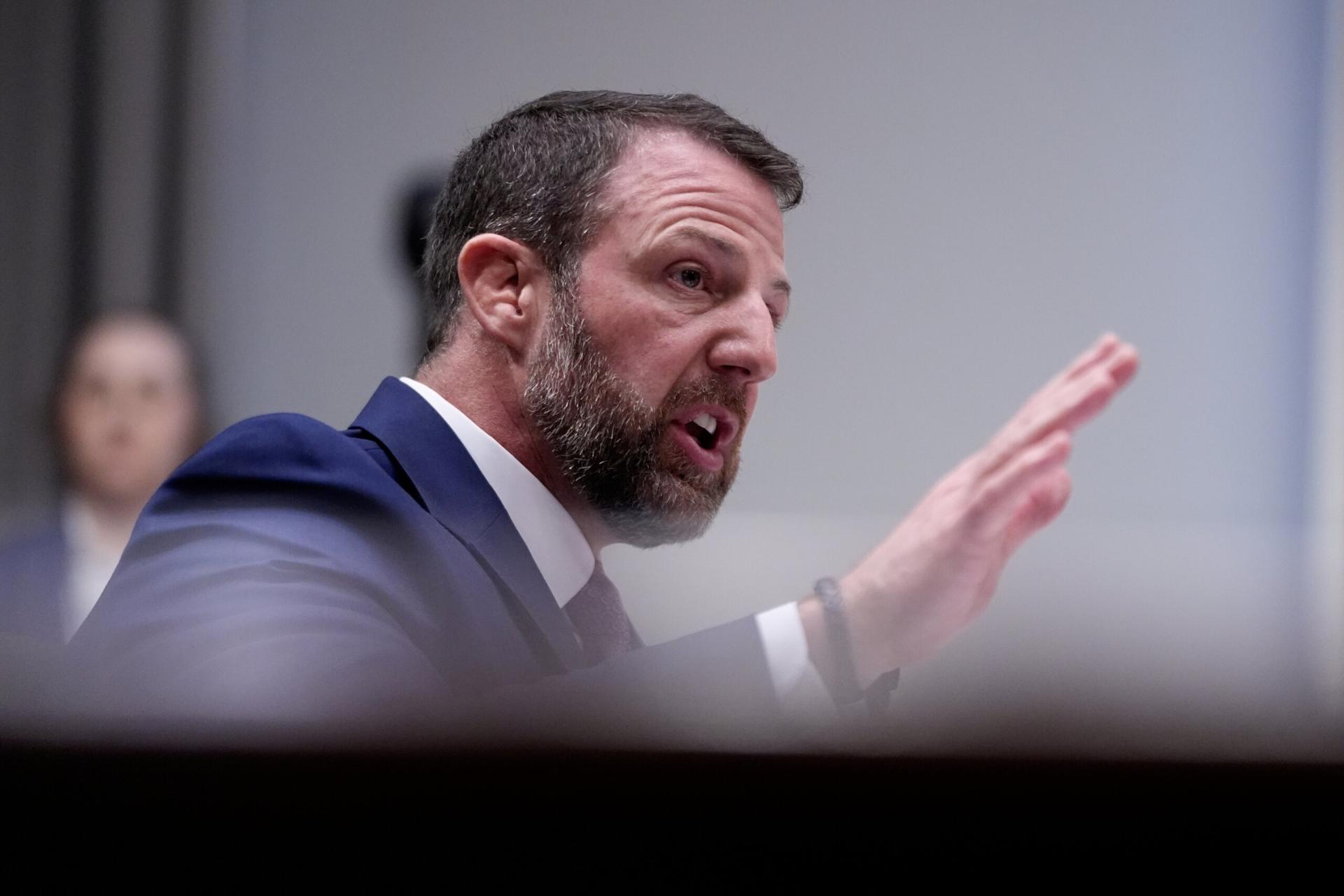
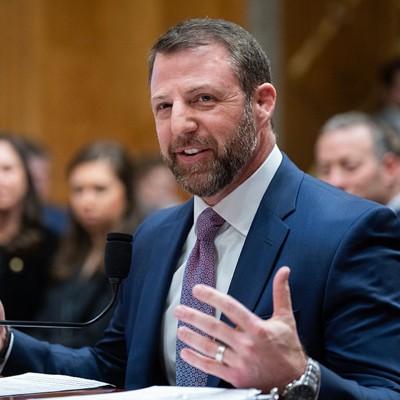
The Senate confirmed Markwayne Mullin as the new Secretary of Homeland Security in a 54-45 vote on Monday evening. The vote largely followed party lines with significant political cross-currents. Republican Senator Markwayne Mullin of Oklahoma received support from two Democrats—John Fetterman of Pennsylvania and Martin Heinrich of New Mexico.
“The Senate on Monday confirmed Sen. Markwayne Mullin (R-Okla.) to lead the Department of Homeland Security (DHS) after President Trump dismissed his first Cabinet official. Mullin earned support from both sides of the aisle, with two Democrats joining Republicans to approve his nomination in a 54-45 vote.”
He faced opposition from most Democrats and one Republican, Rand Paul of Kentucky. The confirmation was fast-tracked through the Senate political process. The Homeland Security and Governmental Affairs Committee advanced Mullin's nomination just one day after a contentious hearing.

During that hearing, Mullin was repeatedly criticized by Chair Rand Paul. The swift timeline allowed Mullin to be confirmed less than a week after his hearing. This set up his swearing-in on Tuesday as President Trump's choice to replace Kristi Noem.
Mullin's Background
Markwayne Mullin brings a unique background to the Homeland Security role. He will become only the second Native American to serve in a Cabinet-level secretarial position. This follows Deb Haaland who served as Secretary of the Interior.
Born in Tulsa and raised in Westville, Oklahoma, Mullin left college to run his family's plumbing business. He did this after his father became ill, eventually expanding it into a successful company. His business background has been central to his political identity throughout his career.

He was first elected to Congress in 2012, representing Oklahoma's 2nd Congressional District. Later, he was elected to the Senate in 2022. As a member of the Senate Committee on Indian Affairs, Mullin has maintained significance.
He has been involved in discussions affecting Indigenous communities. However, his policy positions have occasionally sparked debate within those communities.
Controversy and Concerns
Mullin's confirmation came amid significant controversy surrounding his temperament and qualifications.
“Mullin was largely rejected by Democrats, who, alongside Paul, argued he did not have the temperament to lead the department, noting not only his support for the neighbor who violently attacked Paul but his threat to fight Teamsters leader Sean O'Brien during a hearing.”
During his contentious confirmation hearing, Mullin faced sharp criticism from Democrats and even some Republicans.
Particularly Senate Homeland Security Committee Chair Rand Paul was critical.
Paul expressed serious concerns about Mullin's 'anger issues' and 'lack of contrition'.
Paul pointed specifically to Mullin's support for the neighbor who violently attacked him.
He also referenced Mullin's threat to fight Teamsters leader Sean O'Brien during a hearing.
Paul warned: 'We shouldn't settle personal questions with violence, I think that would be a terrible example for ICE and for our Border Patrol agents.'
Multiple senators, including Democratic Sen. Gary Peters, argued Mullin 'doesn't have the experience or the temperament to lead this critical department'.
Others criticized his lack of relevant experience and expressed fears he would be a 'rubber stamp' to President Trump and Stephen Miller.
DHS Challenges
Mullin takes over the Department of Homeland Security at a particularly challenging time. The agency has been mired in a six-week shutdown with the Senate and White House deadlocked. The deadlock centers on immigration enforcement reforms.
As the shutdown enters its sixth week, President Trump has dispatched ICE officers to airports. These officers are to assist TSA employees dealing with surging wait times at security checkpoints. The department oversees 22 agencies including Customs and Border Protection, ICE, TSA, FEMA, and the Coast Guard.

It employs more than 260,000 people worldwide. The department has an annual budget exceeding $100 billion. Mullin has promised to reverse some controversial policies.
He stated he would require federal agents to obtain judicial warrants to enter private homes or businesses. This would be except in cases of 'hot pursuit' of a suspect—a significant shift from previous policy.
Controversial Shootings
Mullin's nomination and confirmation come against a backdrop of heightened scrutiny of DHS operations. This scrutiny follows fatal shootings of U.S. citizens by agency agents under Noem's tenure. In January 2026, an ICE agent fatally shot 37-year-old American citizen Renée Good in Minneapolis.
“Mullin will lead the DHS is facing heightened criticism right now in part because of two separate fatal shootings of U.S. citizens by DHS agents, which critics say reflect deeper problems in how the agency operates: - Killing of Renée Nicole Good In January 2026, an Immigration and Customs Enforcement (ICE) agent (an agency within DHS) fatally shot 37‑year‑old American citizen Renée Good in Minneapolis during a federal enforcement operation. Local officials and activists dispute the federal self‑defense narrative and argue her death was unjustified — sparking protests and lawsuits against DHS.”
This occurred during a federal enforcement operation. Shortly after, another shooting killed Minneapolis resident Alex Pretti, a 37-year-old ICU nurse. Local officials and activists dispute the federal self-defense narratives in both cases.
They argue the deaths were unjustified and sparked protests and lawsuits against DHS. Noem had been facing growing backlash from Congress over these incidents. Democrats urged Trump to fire her and even signed on to an impeachment resolution against her.
Mullin has been known for his outspoken style and alignment with conservative policies. Throughout his congressional career, he now faces the daunting task of restoring public confidence. This is for an agency that has come under intense criticism for enforcement practices.