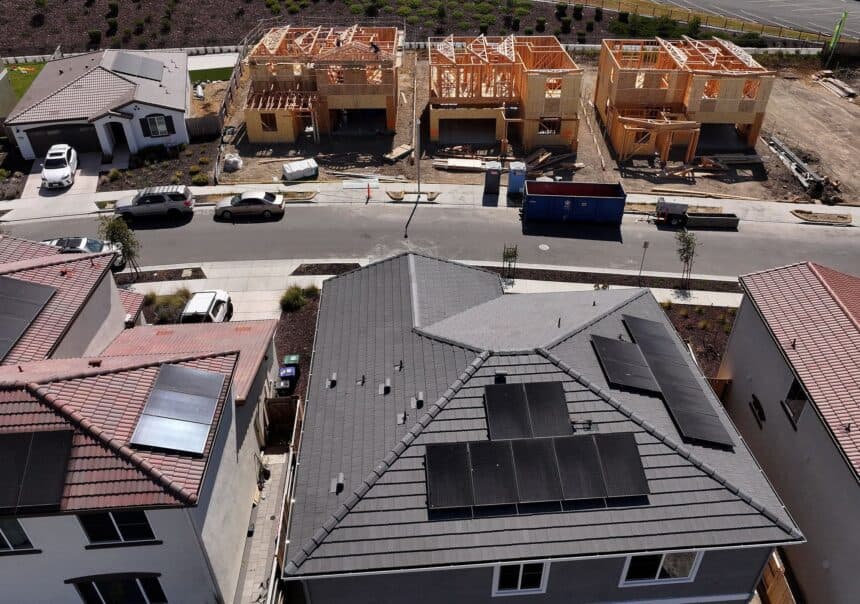
Senate Passes Bipartisan Housing Bill Banning Institutional Investors From Buying Single-Family Homes
Key Takeaways
- Senate passed a bipartisan bill to increase housing supply and affordability
- Bill restricts large institutional investors from buying most single-family homes
- Senate vote reported as 89–10, while some sources reported 84–10
Senate passage overview
The Senate on March 12 passed a sweeping, bipartisan housing package—called the 21st Century ROAD to Housing Act—aimed at boosting supply, cutting regulatory barriers, expanding manufactured housing and curbing large institutional investors’ role in single-family housing; the measure won overwhelming support in the Senate, passing 89–10.
“By Samantha Delouya, CNN (CNN) — A bipartisan group of senators passed a bill Thursday aimed at improving housing affordability”
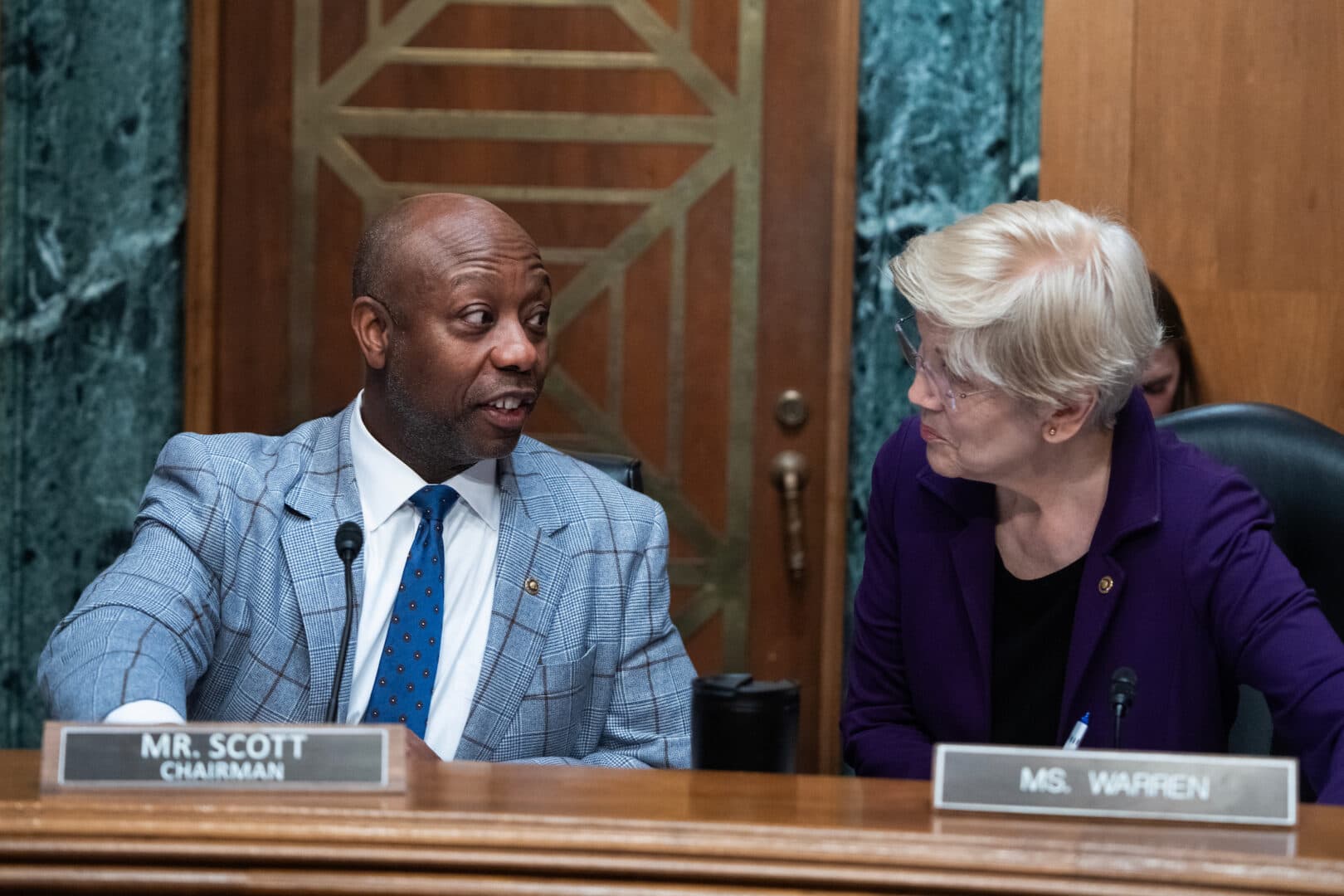
The bill was authored and led on the floor by Sen. Tim Scott (R-S.C.) and Sen. Elizabeth Warren (D-Mass.) and was described by supporters as the most significant federal housing action in decades.
Despite broad Senate unity, observers noted the bill’s fate in the House and at the White House remained unclear.
Investor ban details
A central and controversial element of the Senate bill is a restriction on large institutional investors: it defines such investors as entities that "directly or indirectly own 350 or more single-family homes" and bars them from buying additional existing single-family homes while carving out limited exceptions for new construction or rehabilitation.
The Senate-language would require properties held by large investors to be sold to individual buyers after seven years, with protections for renters such as a right of first refusal and limited lease-extension options.

Proponents say this is meant to return homes to families rather than corporations; critics warn about unintended market effects.
Supply and manufactured homes
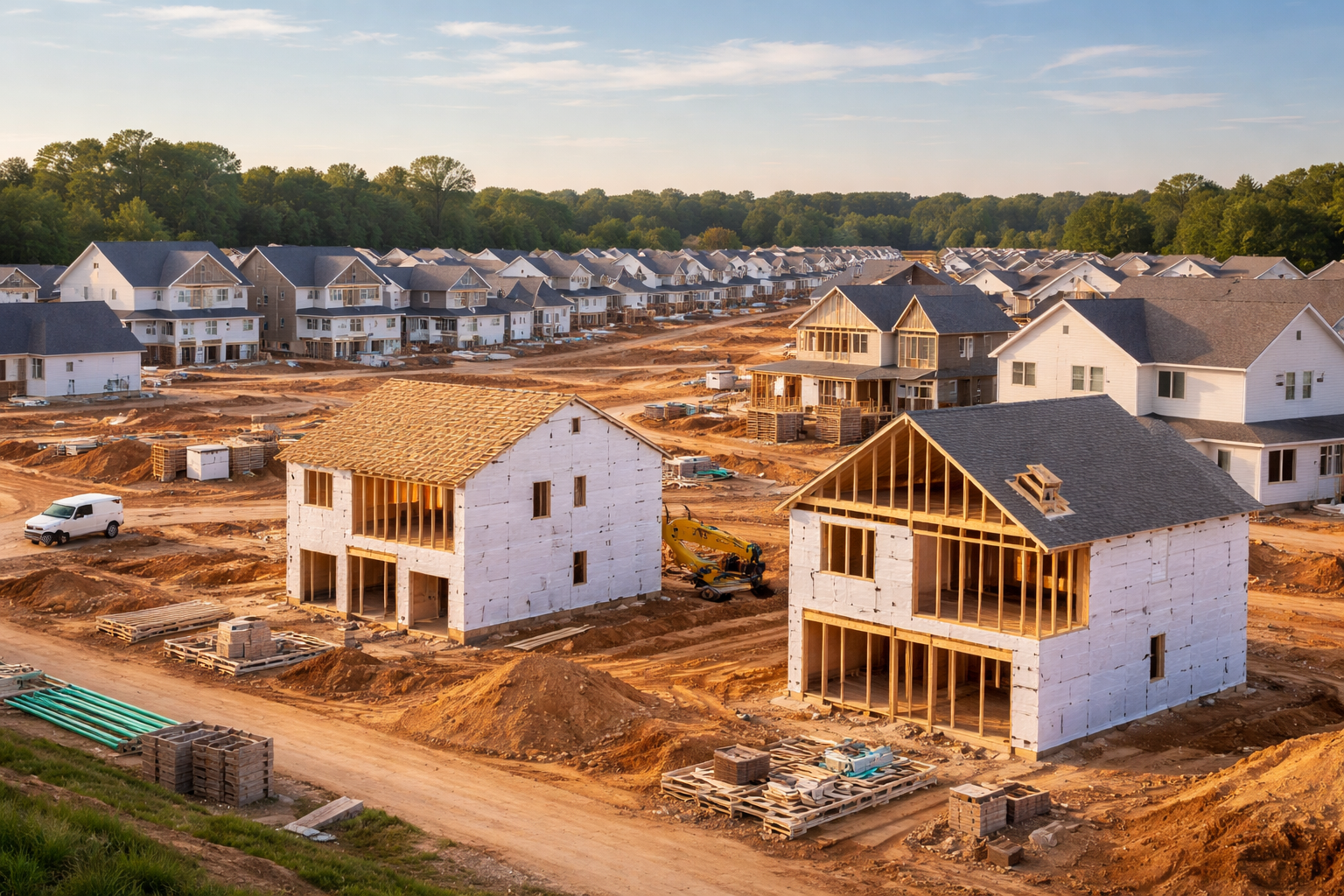
The bill also includes supply-oriented measures—many designed to speed construction and lower costs—most notably loosening federal rules for manufactured housing by removing the permanent-chassis requirement, a change advocates say could cut per-unit costs and expand factory-built housing as a faster, lower-cost option to traditional construction.
Sponsors framed these and other deregulatory steps as necessary to address a shortfall of millions of homes and to increase the pace of new construction.
Criticism and context
The investor restrictions prompted sharp industry and policy pushback: trade groups and some experts argued the seven‑year sale mandate and limits on build‑to‑rent could chill investment and reduce the supply of rental housing, potentially increasing rents and slowing new construction; supporters countered that concentrated investor buying has been harmful in particular markets.
Analysts also noted that although institutional purchases rose significantly a decade ago, such ownership still represents a small share nationally, concentrating in certain cities where effects may be larger.
Next steps and politics
Despite the Senate’s decisive vote, passage into law remains uncertain: House leaders and conservatives have raised objections—over investor language, a temporary ban on a Federal Reserve digital currency and other differences—and President Trump has at times signaled both support for the investor ban and reluctance to sign new legislation until other priorities advance.
The two chambers will likely need conference talks or further negotiations to produce a final bill.
More on USA

KC-135 Crashes in Iraq After Apparent Midair Collision, Six Airmen Killed.
28 sources compared

FAA Orders Ground Stops at D.C.-Area Airports Over Strong Chemical Smell at Federal Aviation Facility
10 sources compared

FAA Lifts Ground Stops at DC-Area Airports After Equipment Outage and Chemical Smell
20 sources compared

Judge James Boasberg Blocks DOJ Criminal Probe of Federal Reserve, Deems It Trump Pressure Campaign
15 sources compared