
Senate Passes 21st Century ROAD to Housing Act To Curb Large Investors, Lower Rents
Key Takeaways
- Senate approved the bipartisan housing bill by an 89–10 vote.
- The legislation was authored by Sens. Tim Scott and Elizabeth Warren.
- Bill curbs large investors, barring Wall Street purchases of single-family homes to increase supply.
Senate passage overview
The Senate approved the 21st Century ROAD to Housing Act on a bipartisan 89–10 vote, sending the package back to the House for final consideration.
“WASHINGTON — The Senate passed a bill Thursday aimed at boosting the supply of housing and bringing down prices, marking a rare bipartisan breakthrough on a major issue”
Senator Lisa Blunt Rochester announced the Senate passage and framed the vote as overwhelmingly supportive.
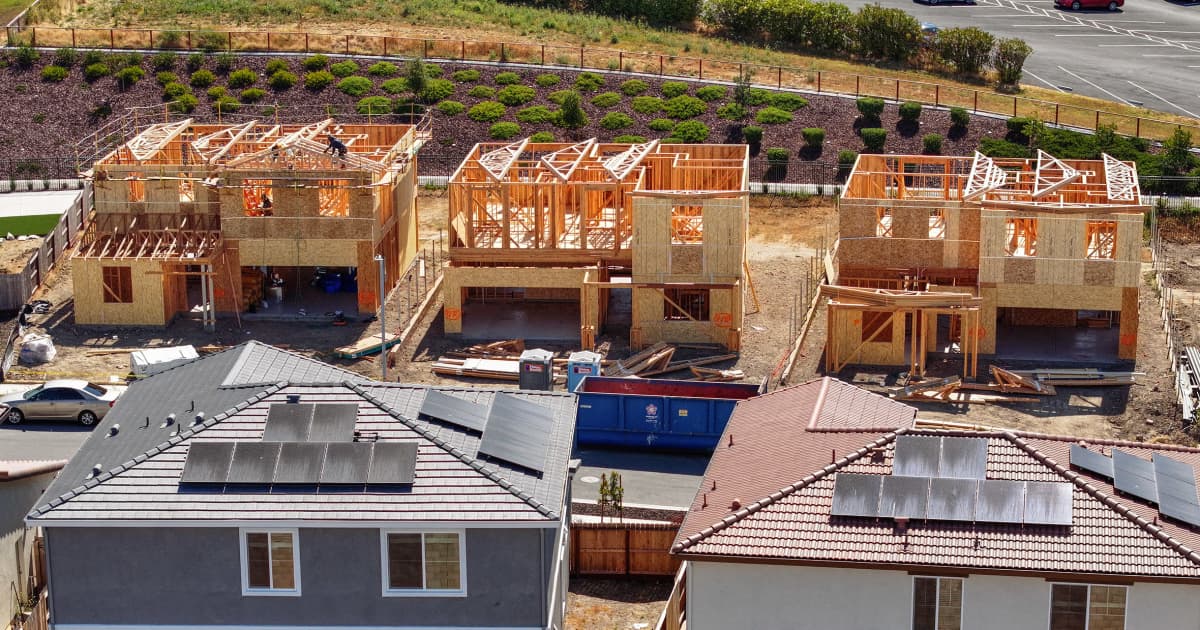
Supporters across the aisle described the measure as a joint effort by Democrats and Republicans, with sponsors emphasizing that the bill brings together many provisions intended to expand housing supply.
Investor purchase limits
A core Senate addition to the package is an explicit cap on large institutional buyers: the Senate version introduces a ban that would prevent any investor who owns at least 350 homes from buying more.
Media coverage and supporters frame the restriction as aimed at curbing so-called institutional investors — including large private-equity owners — from accumulating single-family homes and constraining supply.

The same Senate action was described by outlets as an attempt to stop Wall Street firms such as Blackstone from further buying family homes.
Supply-side provisions
The package bundles a range of supply-side measures intended to speed construction and approvals: the Accelerating Home Building Act would fund 'pattern books' — standardized, pre-approved housing designs — through HUD grants to speed local development approvals,
“Skip to main content Support WBUR”
while other provisions seek to streamline environmental reviews and create block grants for building and affordable housing.
The bill also includes changes to manufactured housing rules, including removing the requirement for a permanent chassis on factory-built homes, which proponents argue can lower construction costs and expand options for modest starter homes.
Financing and incentives
The legislation also attempts to mobilize private capital for affordable housing by loosening investment caps: it would raise the Public Welfare Investment cap for banks from 15% to 20%, allowing more bank investment in projects that tap the expanded low-income housing tax credit.
Supporters called that PWI increase 'the most impactful part of this bill when it comes to housing supply,' arguing it opens billions in additional investment capacity;

the package includes the Community Investment and Prosperity Act to raise limits on bank investments in community development projects.
Politics, support, critiques
The bill's path forward and reception remain politically contested: although many industry groups like the National Association of Realtors publicly backed the measure as advancing homeownership access, critics argue the package is more of the same federal incentives that have failed to fix housing affordability.
The president's earlier executive order limiting large investors included an exception for build-to-rent housing, and commentators warned parts of the bill — such as build-to-rent or short exceptions for investors — could blunt the investor ban's effect.
Observers also noted that, despite the Senate's bipartisan vote, the package must still clear the House and reach the president's desk.
More on USA

KC-135 Crashes in Iraq After Apparent Midair Collision, Six Airmen Killed.
28 sources compared

FAA Orders Ground Stops at D.C.-Area Airports Over Strong Chemical Smell at Federal Aviation Facility
10 sources compared

FAA Lifts Ground Stops at DC-Area Airports After Equipment Outage and Chemical Smell
20 sources compared

Judge James Boasberg Blocks DOJ Criminal Probe of Federal Reserve, Deems It Trump Pressure Campaign
15 sources compared