
Senators grill Gabbard over Iran war policy
Key Takeaways
- Senators pressed Gabbard on whether Iran posed an imminent nuclear threat.
- Gabbard avoided directly answering whether she briefed Trump on the possibility.
- Joe Kent's resignation preceded the Senate intelligence hearing.
Testimony Contradictions
Senate Intelligence Committee members grilled Director of National Intelligence Tulsi Gabbard during high-stakes hearings over her testimony regarding the Iran war.
Sharp exchanges focused on contradictions between her written and oral testimony, particularly concerning Iran's nuclear capabilities.
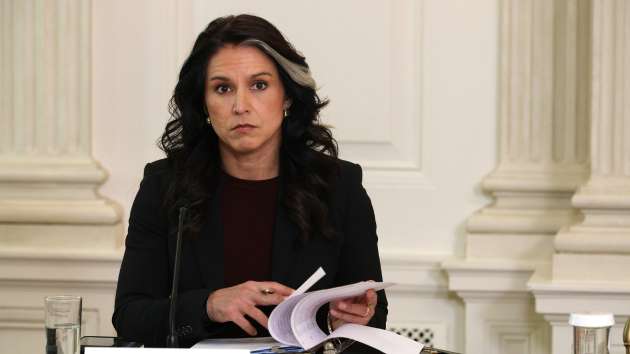
Democratic Senator Mark Warner questioned Gabbard about why she omitted key portions of her written testimony during her oral remarks.
The omitted content assessed that Iran's nuclear enrichment program had been 'obliterated' by last summer's strikes with no rebuilding effort.
Gabbard maintained she skipped the section due to 'time running long,' though Warner suggested it contradicted Trump's claims.
This exchange highlighted growing tensions between intelligence assessments and political narratives surrounding the Iran conflict.
Imminent Threat Debate
The core controversy focused on Gabbard's deflection regarding whether Iran posed an 'imminent nuclear threat.'
Democratic Senator Jon Ossoff demanded a yes or no answer about intelligence community assessments of such a threat.

Gabbard consistently refused direct assessment, stating only the president can determine what constitutes an imminent threat.
This stance effectively removed the intelligence community from responsibility for adjudicating the claim.
It contrasted sharply with resigned National Counterterrorism Center Director Joe Kent's position.
Kent had argued Iran did not pose an imminent threat and could not 'in good conscience' support the war.
Kent's departure from within the intelligence apparatus highlighted internal disagreements about the war's justification.
Capability Contradictions
Further tension emerged as Gabbard's intelligence assessments directly contradicted Trump administration claims.
“The hearing comes a day after top counterterrorism official Joe Kent resigned”
In written testimony, Gabbard stated Iran's nuclear enrichment program had been 'obliterated' with no rebuilding efforts.
This contradicted Trump's claims that Iran was 'probably a week away from having industrial-grade bomb-making material.'
When pressed on these contradictions, Gabbard confirmed the intelligence assessment but avoided challenging Trump publicly.
She also repeated earlier assessments that Iran could develop a viable ICBM before 2035 if they pursued the capability.
This contradicted Trump's claim that Iran was building ICBMs that would 'soon reach the United States.'
The discrepancies highlighted the disconnect between intelligence analysis and political rhetoric.
Administration Divisions
The hearings exposed divisions within the administration and intelligence community.
CIA Director John Ratcliffe directly stated Iran 'posed an immediate threat' when the U.S. attacked, pushing back against Kent's claims.

Senator Tom Cotton praised the administration, saying Iran was 'finally knocked on its back foot' after devastating strikes.
In contrast, Senator Mark Warner warned Trump has 'no concrete plan or objective' for the Iran war.
Warner warned American lives 'are at risk' due to the lack of clear strategy.
Testimony also addressed whether intelligence officials had warned Trump about Iranian retaliation.
Gabbard sidestepped questions about contingencies being briefed to the president.
She acknowledged the IC had assessed Iran would likely use the Strait of Hormuz as leverage.
More on Iran

Israeli Strike Kills Ayatollah Ali Khamenei, Buried at Imam Reza Shrine in Mashhad
19 sources compared
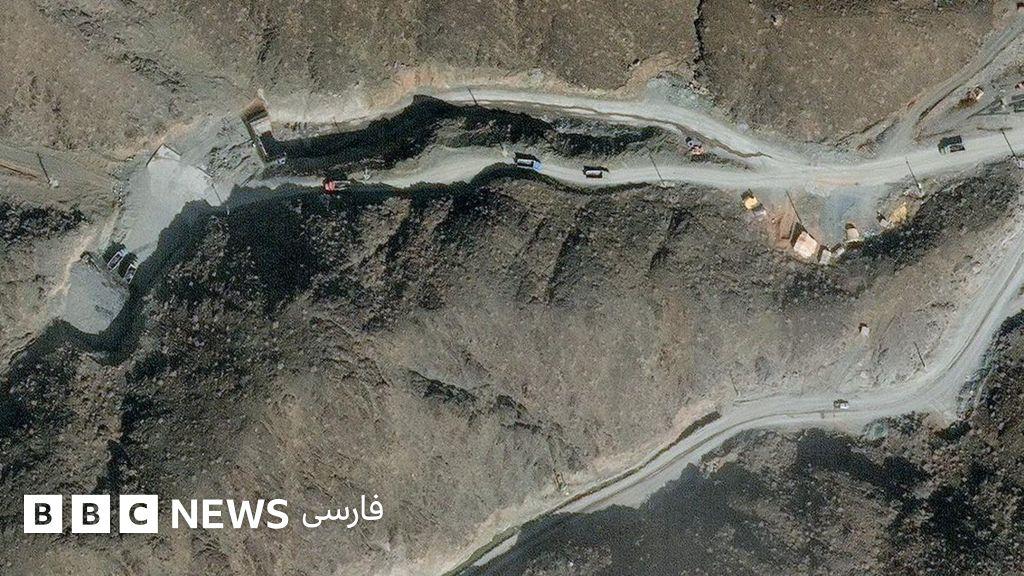
Iran Attempts To Restore Nuclear Sites Damaged In US And Israel Strikes, CNN Satellite Images Show
15 sources compared

Abbas Araghchi and Prince Faisal Bin Farhan Discuss Regional Developments After US Attacks
11 sources compared

Trump Says U.S. Agreed to Continue Iran Talks, Ceasefire Is Over
19 sources compared