Tourism23 April, 20268 min read
Serac Ice Block Halts Everest Route From Base Camp, Delaying Spring Climbing Season
This article is an automated aggregation of coverage from news outlets. Our editorials offer in-depth analysis curated by the NewsCord team.
A 100-foot-high serac blocks the Everest route from Base Camp Start of the spring climbing season is delayed beyond normal dates
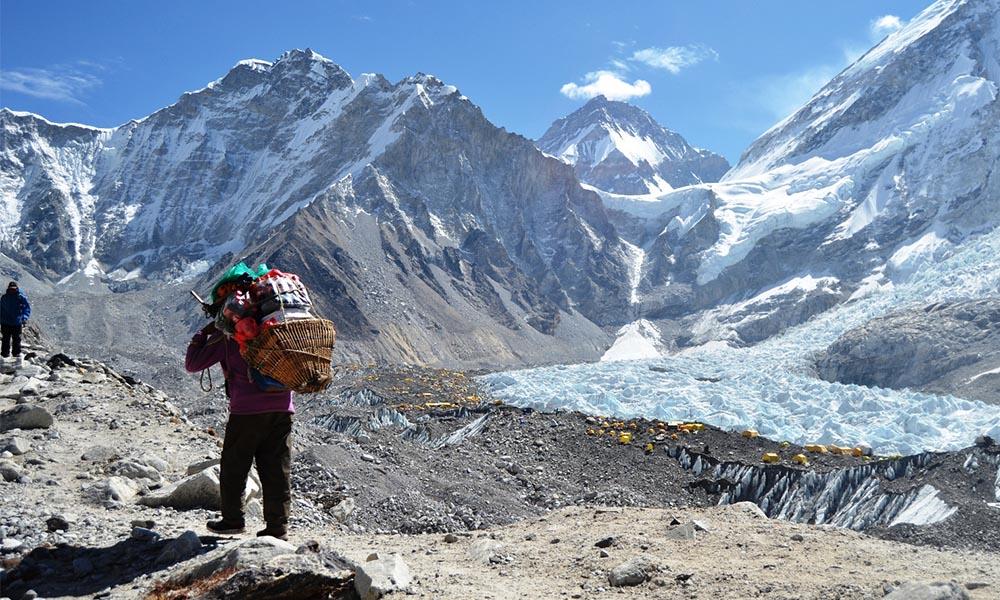
Ice Wall Halts Everest
A huge, unstable block of glacier ice has blocked the route up Mount Everest from Base Camp in Nepal just as peak climbing season gets under way in the Himalayas, forcing the specialized “icefall doctors” to halt rope-fixing work and wait. The BBC reports that the obstacle is a “100-foot-high (30m) block of ice just under Camp 1,” called a serac, and that the team “can find no way round” it. The BBC says the only option is to wait for the ice block to melt, with “icefall doctors” hoping it will happen “within days,” while the delay pushes preparations “weeks behind schedule” for the spring season.
News18 similarly describes a “serac” about “30 metres (100 feet) tall” positioned “just below Camp 1,” cutting off access during the most critical window for acclimatisation and route preparation. The Kathmandu Post adds that the serac is “hanging precariously near the route to Camp I” and that “for the past two weeks” the icefall doctors have held back.
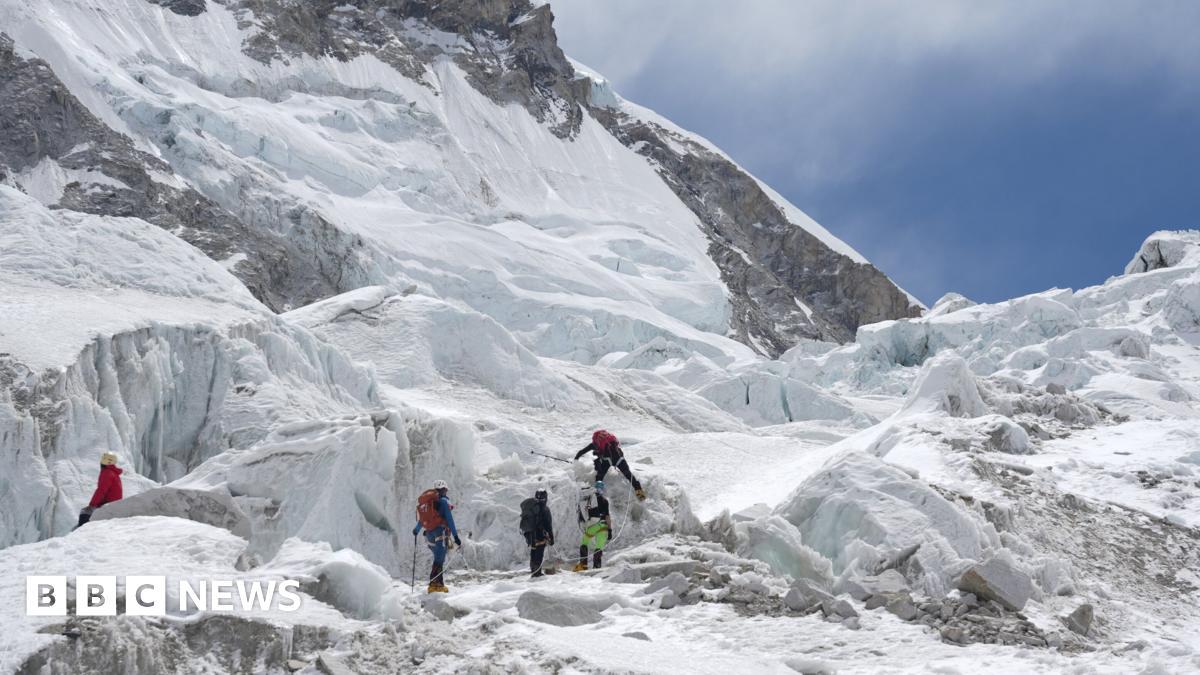
Outside Magazine reports that as of “April 21” the route through the Khumbu Icefall “has not been finished,” and that nobody can venture onto the peak’s upper slopes until the icefall doctors complete their work. Together, the accounts portray a climbing season stalled by a single hazard in the Khumbu Icefall, with the route remaining closed to workers and climbers until the serac becomes safe to address.
Why Rope-Fixing Stops
The blockage is occurring in the Khumbu Icefall, the first major obstacle climbers face on the way up Everest, where specialized workers install ropes, ladders, and other fixed infrastructure.
The BBC explains that the icefall doctors “fix ropes and ladders on the lower part of the route up the world’s highest peak,” but that they are blocked by the serac “just under Camp 1.”
It adds that “We haven't found artificial ways to melt it so far, so we don't have any options other than to wait for it melting and crumbling itself,” quoting SPCC base camp co-ordinator Tshering Tenzing Sherpa.
News18 says the Sagarmatha Pollution Control Committee (SPCC) has “halted all route-fixing work due to the extreme risk of collapse,” and that the team searched for an alternative path but found none that meet safety standards.
The Kathmandu Post describes the serac as a looming threat that “could collapse without warning and unleash a deadly avalanche,” and it quotes Himal Gautam, spokesperson for the Department of Tourism, saying, “This is not something you can fix or move,” and “It’s natural. We can only wait and assess.”
Outside Magazine similarly frames the delay as a safety-driven stoppage, quoting Himal Gautam as saying, “We have to trust them. The Government of Nepal has always placed human safety at the core of our priorities.”
With the route-fixing work paused, the season’s schedule and acclimatisation rotations are disrupted, leaving expedition teams in a wait-and-see posture.
Permits, Timing, and Traffic
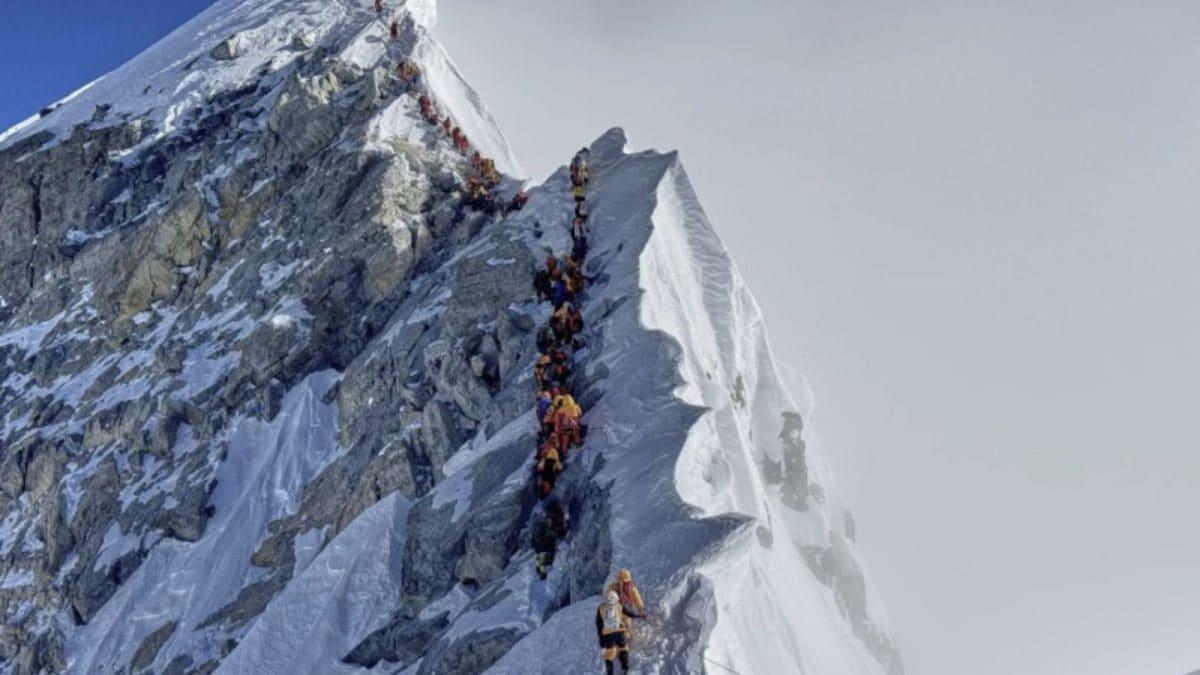
The delay is colliding with the calendar for Everest’s spring season and raising fears of crowding if the route opens late. The BBC says the delay means preparations are “weeks behind schedule” for the spring season when weather for Everest ascents is usually best, and it reports “fears are growing that climbers will be queuing to reach the summit again this year.” It quotes Purnima Shrestha, a “prominent climber and photographer from Nepal,” who is “acclimatising to summit Everest for the sixth time,” saying, “Delays in the opening of the route have added concerns of possible 'traffic jams' to the peak this year.”
News18 similarly warns that the 2026 spring climbing season is “already weeks behind schedule,” and it says the timing creates a logistical “bottleneck” that could have “deadly consequences later in May.” The Kathmandu Post reports that as of Thursday, the government has issued climbing permits to “410 individuals,” putting this year close to the “all-time high of 479 permits recorded in 2023.”
Outside Magazine adds that summit attempts “really start taking off around May 14,” and it quotes Daniel Mazur saying, “We’re starting to get worried,” because “We came here to climb Everest, and we can’t get on the mountain yet, and that is concerning.” The BBC also notes that despite the Iran war and its impact on fuel costs and travel, “large numbers of people are expected to attempt Everest this year,” and it says “367 people have so far obtained climbing permits, most of them Chinese.”
Voices on Risk and Response
Officials, guides, and local authorities are describing the serac as both unfixable and dangerous, while also discussing possible contingency measures.
The BBC quotes SPCC base camp co-ordinator Tshering Tenzing Sherpa saying, “We haven't found artificial ways to melt it so far, so we don't have any options other than to wait for it melting and crumbling itself,” and it quotes Ang Sarki Sherpa saying, “There is no choice. We spent four days touring the area, looking at every place from the mountain to the right and left.”
The Kathmandu Post quotes Himal Gautam saying, “We will wait for two days and review the report,” and it adds that “Based on the findings, we will initiate ‘Plan B’ if necessary.”
It also includes a warning from Mingma Chiri Sherpa, chairman of the Khumbu Pasanglhamu Rural Municipality, who says, “There is too much risk right now,” and “We have suggested waiting for at least a week to see if the ice melts or shifts.”
Outside Magazine quotes Daniel Mazur, an American guide with Summit Climb, saying, “We’re starting to get worried,” and it quotes Himal Gautam again: “We have to trust them. The Government of Nepal has always placed human safety at the core of our priorities.”
The BBC reports that Nepal's Department of Tourism is exploring different options, including airlifting teams to Camp 2, and it quotes Ram Krishna Lamichhane, the department's director general, saying, “We are thinking about airlifting the rope-fixing team and their logistics to Camp 2 by helicopter, so they can open the route above that altitude for now.”
Even with these discussions, the sources emphasize that alternatives are constrained by safety and geography, with Outside Magazine noting that the dangerous serac is “not visible from Base Camp” while SPCC workers ascend into the Khumbu Icefall and drones buzz overhead.
Different Outlets, Different Emphases
While all the accounts describe the same core event—a serac blocking the Everest route just below Camp 1—each outlet emphasizes different details about timing, scale, and operational implications. The BBC focuses on the technical work of the icefall doctors and the altitude context, stating the SPCC secures ropes “as far as Camp 2 on Everest, which stands 8,848.86m (29,031 feet) above sea level,” and it reports that the team reached Base Camp “three weeks ago.” News18 frames the situation as an “officially closed” route and repeatedly stresses the “deadly impasse,” describing the serac as “perched at a volatile angle” and saying the route remains closed to “both workers and the hundreds of international climbers currently gathering at Base Camp.”
The Kathmandu Post emphasizes the permit numbers and the mechanics of the Icefall, stating it stretches “roughly a kilometre above base camp at 5,364 metres,” and it describes the typical navigation time “between 3 am and 5 am.” Outside Magazine emphasizes the human pressure and the uncertainty for guides, quoting Daniel Mazur and describing how the icefall doctors “string ropes” and “lay metal ladders across crevasses,” and it notes that the setback “has pushed the start of the season past its normal date.”
The sources also diverge on how long the delay has been underway: the Kathmandu Post says the icefall doctors have held back “for the past two weeks,” while Outside Magazine says “As of April 21” the route has not been finished, and the BBC says the serac is expected to melt “within days.” Even the permit counts differ across outlets: the BBC says “367 people have so far obtained climbing permits,” while the Kathmandu Post says “410 individuals” as of Thursday.
What Comes Next
The next steps described by the sources revolve around waiting for the serac to melt or collapse, then rapidly resuming rope-fixing and summit preparations within a narrowing weather window. The BBC says favourable weather is expected only until the end of May, and it reports that with the melting of the ice currently obstructing the route, Sherpas hope the rope-fixing work to Camp 2 will be completed “within a few days” and the summit “within a week.” It also quotes Ram Krishna Lamichhane saying the department will “wait for the ice to melt at the place where there is an obstruction and work there when everything is safe,” while also considering airlifting the rope-fixing team to Camp 2 by helicopter.
The Kathmandu Post says the Department of Tourism meeting concluded with a decision to deploy “both national and international specialists” to assess the ice formation through aerial and ground inspections, and it quotes Gautam saying, “Based on the findings, we will initiate ‘Plan B’ if necessary.” Outside Magazine describes how expedition schedules depend on the icefall route opening, explaining that once it opens, a rope fixing team ascends higher to set safety lines to the summit and that climbers begin acclimatisation rotations, with Mazur saying, “By May 1, you really need to be getting all of your camps built on the upper mountain and the Lhotse Face.”
News18 adds that the strategy is a “waiting game,” with teams hoping the block will “either melt or fall naturally within the coming days,” and it says the route remains closed until then. With the hazard tied to the Khumbu Icefall’s history—where the Kathmandu Post cites April 18, 2014, when a collapsing serac buried “16 Sherpa guides”—the sources portray the coming days as decisive for both safety and the season’s operational rhythm.