Shabana Mahmood Orders UK Asylum Seekers To Repay £10,000 After They Start Earning
Key Takeaways
- Asylum seekers must repay about £10,000 for housing and support when earning.
- Announced by Shabana Mahmood, tied to the Immigration and Asylum Bill.
- Charities and human rights groups condemn the plan as punitive.
Repayment for asylum support
Britain’s Home Secretary Shabana Mahmood announced that people granted asylum in the UK will be required to pay back around £10,000 towards the cost of their accommodation and support once they start earning, under new rules included in the upcoming Immigration and Asylum Bill to be put before Parliament on Tuesday.
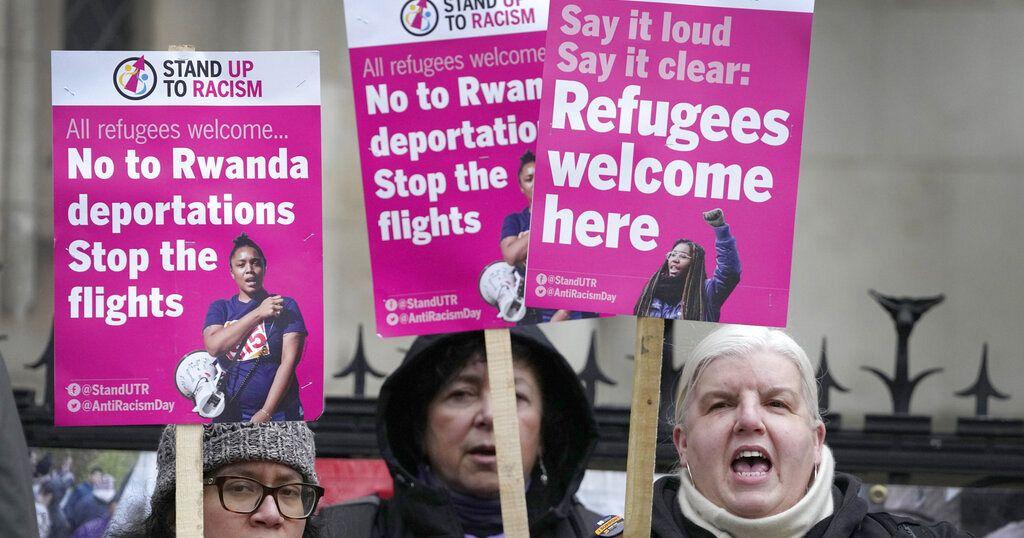
“London's controversial plan to send asylum seekers to Rwanda will cost nearly €200,000 per person, the British government acknowledged on Tuesday”
The BBC said the plans will apply to asylum seekers who have the right to work in the UK, and that adults with sufficient funds will be asked to pay off the sum over time under a flat-rate charge expected to be set at £10,000.
The BBC reported that the Home Office has not determined how much people would need to earn before making monthly instalments, and that the home secretary would have the power to adjust the charge and repayment thresholds to ensure it will not force any migrant into destitution.
The National Scot reported that asylum seekers will be made to pay up to £10,000 towards the cost of their accommodation and support once they start earning, and that they must pay off the full amount before they can be eligible for settled status under the plans described as “performative cruelly” by human rights groups.
Costs, thresholds, and critics
The BBC said around £4bn of taxpayers' money was spent on supporting asylum seekers last year, and it put the average cost of housing an asylum seeker for one night in publicly-owned accommodation at £23.25, with £144 in a hotel, while subsistence payments range from £9.95 to £49.18 for each person per week.
The BBC quoted Home Secretary Shabana Mahmood saying the changes would demonstrate "asylum support is a right, but it is also a responsibility," and she added, "Once people can contribute and repay the generosity of the British people, we expect them to do so."
The Refugee Council’s Imran Hussain told the BBC that the Home Office bans asylum seekers from working while their claims are being assessed, and he said, "Asylum support is only given to people who are at risk of being destitute, so this new financial burden would only harm those who arrive on our shores with nothing."
The University of Oxford’s Migration Observatory, through Dr Madeleine Sumption, warned to the BBC that in 2023 an estimated 13% of people granted refugee status five years earlier were earning at least £20,000, and that "a relatively small share of people granted asylum would earn enough to make contributions to the scheme."
Bill timing and political fallout
The i Paper said sweeping new laws due to be laid before Parliament on Tuesday would require asylum seekers to reimburse public money spent on their accommodation and other support before they can apply for settlement, with ministers exploring a flat rate of around £10,000 paid in monthly instalments.
“As the exodus of Ukrainians to Europe subsides, countries are beginning to adjust the rules and benefits tied to asylum grants and allowances”
The i Paper reported that the plans to recoup money from migrants for accommodation would be introduced under the new Immigration and Asylum Bill, would be means-tested for adults, and would exempt children who have received support from the asylum system.
The i Paper also said Labour has promised to phase out the use of hotels as a costly form of migrant accommodation, instead using military bases across the country, and it reported that 31 hotels have been closed since April and hundreds of asylum seekers have moved into ex-military sites.
The BBC said shadow home secretary Chris Philp argued Labour had "adopted yet another" Conservative policy, adding that "This precise scheme was proposed by us in an amendment to the Immigration Bill last year, which Labour blocked."
More on Britain

Andy Burnham Names Caroline Simpson Deputy Chief Of Staff For No 10 North Devolution
30 sources compared

Princess of Wales Completes Three Peaks Challenge, Raises Money for Royal Marsden Cancer Charity
14 sources compared

Keir Starmer Resigns as Labour Leader, Paving Way for Andy Burnham
10 sources compared

King Charles Discloses £12.9 Million Tax Bill as Buckingham Palace Releases Financial Documents
14 sources compared