Singapore Refuses to Negotiate With Iran Over Strait of Hormuz Passage
Key Takeaways
- Singapore refuses to negotiate safe passage or tolls with Iran for Strait of Hormuz.
- Transit rights are guaranteed under international law and UNCLOS, not a privilege.
- Singapore maintains neutrality and does not take sides in Middle East tensions.
Singapore's Unyielding Stance
Singapore has taken a firm and unprecedented stance by refusing to negotiate with Iran for safe passage of its ships through the Strait of Hormuz.
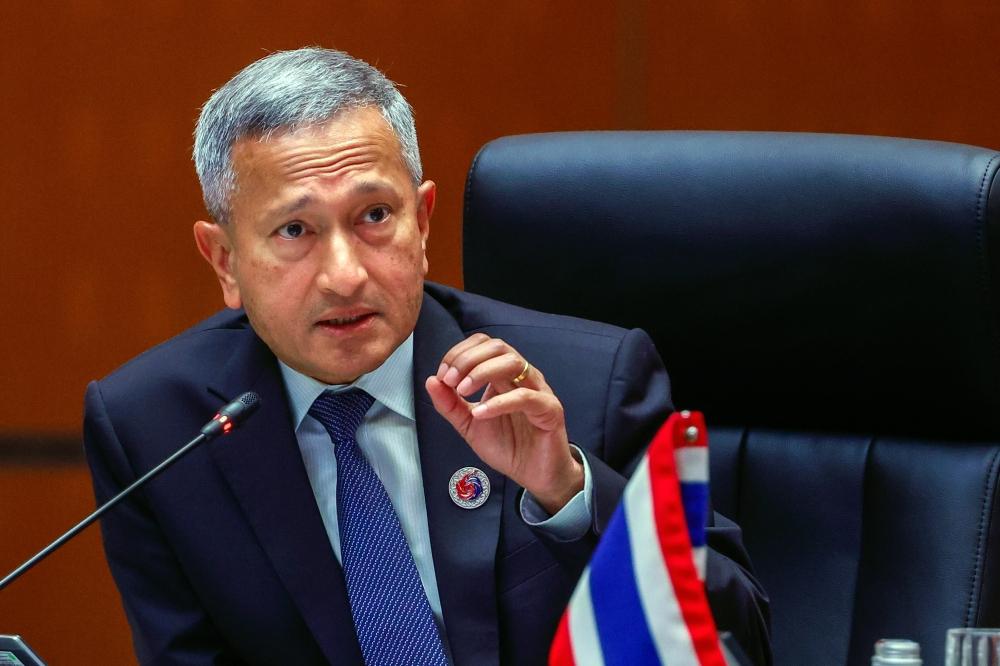
“Singapore — April 8 — Bernama — Singapore's Foreign Minister Dr”
Foreign Minister Vivian Balakrishnan told Parliament, Transit passage is a right, not a privilege.
Singapore is the only Asian country to publicly reject negotiating passage, while India, Pakistan, Thailand, and the Philippines have made deals with Tehran.
Balakrishnan emphasized that the Strait of Hormuz is an international waterway governed by UNCLOS.
He also pointed out that Singapore sits on the Strait of Malacca, another critical global shipping route.
The Maritime and Port Authority of Singapore remains in close contact with ship owners and operators of Singapore-flagged vessels.
Legal Principle Over Geopolitics
Balakrishnan framed Singapore's position as grounded in principle rather than geopolitics.
He cited Article 44 of UNCLOS, which stipulates that states bordering straits shall not hamper transit passage.

He warned that accepting conditions imposed by Iran would set a dangerous precedent.
The Strait of Malacca is arguably as critical a chokepoint as the Strait of Hormuz.
More maritime oil flows through Malacca and Singapore than through Hormuz.
The narrowest point in Hormuz is 21 nautical miles, compared to less than two nautical miles in the Strait of Singapore.
Regional Backlash and Diplomatic Nuance
Singapore's stance has triggered a backlash from Malaysian politicians.
“Singapore Stands Firm on Strait of Hormuz Passage Rights Foreign Minister Vivian Balakrishnan declares that Singapore will not negotiate for safe passage through the Strait of Hormuz, as it would violate international law principles”
Malaysia was among a handful of friendly nations granted toll-free passage by Iran.
Nurul Izzah Anwar said, Malaysia will not be lectured on the merits of engagement.
Balakrishnan's diplomatic channel with Iran remains open.
The Maritime and Port Authority of Singapore is engaging with stakeholders to facilitate safe transit.
Efforts include discussions with the International Maritime Organisation.
Economic and Humanitarian Stakes
The Strait of Hormuz handles about a fifth of global oil and gas shipments.
Singapore is the world's largest refuelling point for ships.
Balakrishnan highlighted the humanitarian issue for the workers and seafarers.
He warned of a more volatile global environment.
Singapore is ramping up negotiations on energy supplies.
Conditional approval has been given to import up to about 8.35 gigawatts of renewable energy.
More on Iran
Trump Demands NATO Allies Commit to Securing Strait of Hormuz Within Days
12 sources compared
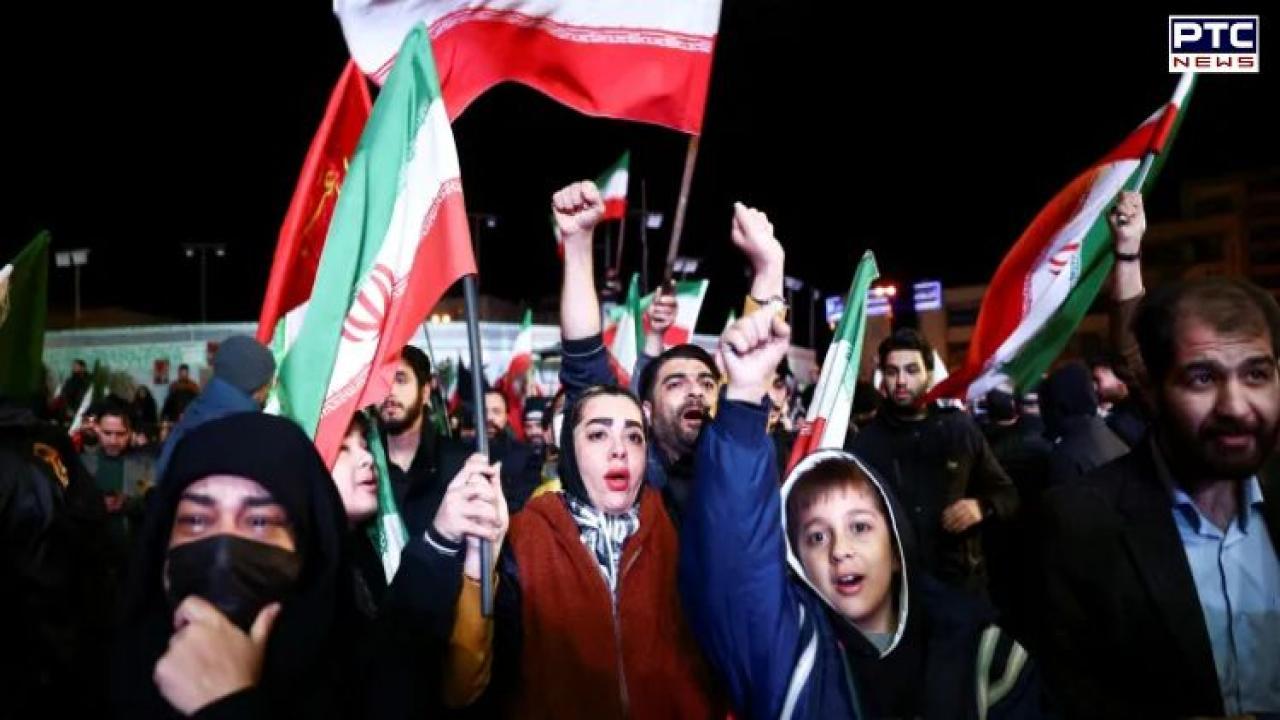
US And Iran Begin Peace Talks In Islamabad After Two-Week Ceasefire
20 sources compared
Iran Controls Strait of Hormuz, Keeps Shipping Traffic at Standstill Despite Ceasefire
17 sources compared

US-Iran Ceasefire Ends 40 Days of War Amid Regional Power Shifts
33 sources compared