
Slovakia Threatens To Veto EU’s 20th Russia Sanctions Over Druzhba Pipeline Guarantees
Key Takeaways
- Slovakia threatens to veto the EU's 20th Russia sanctions package without Druzhba guarantees.
- Druzhba pipeline outage blamed on Russian attacks halts oil transit; Kyiv blocked since January.
- Slovakia may allow a €90 billion Ukraine loan while opposing new Russia sanctions.
Druzhba as a sanctions lever
Slovakia has threatened to block the European Union’s next Russia sanctions package unless guarantees are provided for oil deliveries through the Druzhba oil pipeline, according to multiple reports.
“Slovakia's Stance on EU Sanctions Amid Druzhba Pipeline Dispute Slovakia threatens to block the EU's latest sanctions against Russia until the Druzhba oil pipeline resumes operations”
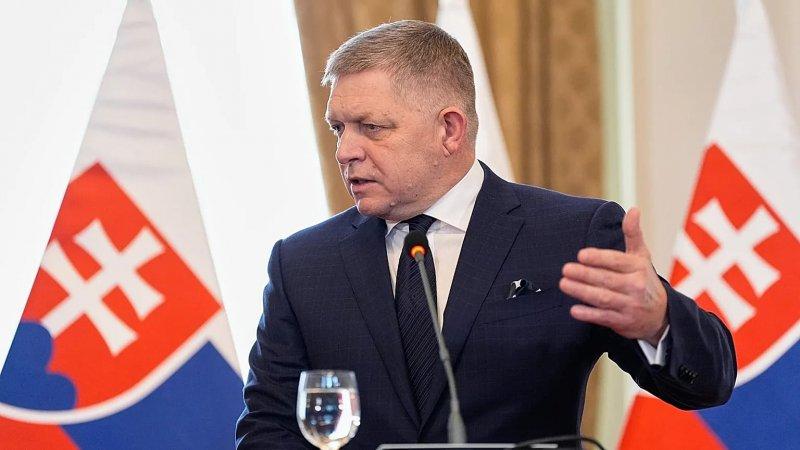
In a statement attributed to Slovak Foreign Minister Juraj Blanar, the Slovak position is framed as a condition for approval of the “20th sanctions package,” with one report saying, “If the Druschba-Pipeline is not in operation when the 20th sanctions package is on the table for approval, we will not approve it.”

The Kyiv Independent likewise reports Blanar saying, “If the Druzhba pipeline is not operational and the approval of the 20th package is on the table, we will not approve it because we have no other tools than to force Ukrainian President Volodymyr Zelensky, together with the European Commission, to launch the Druzhba pipeline.”
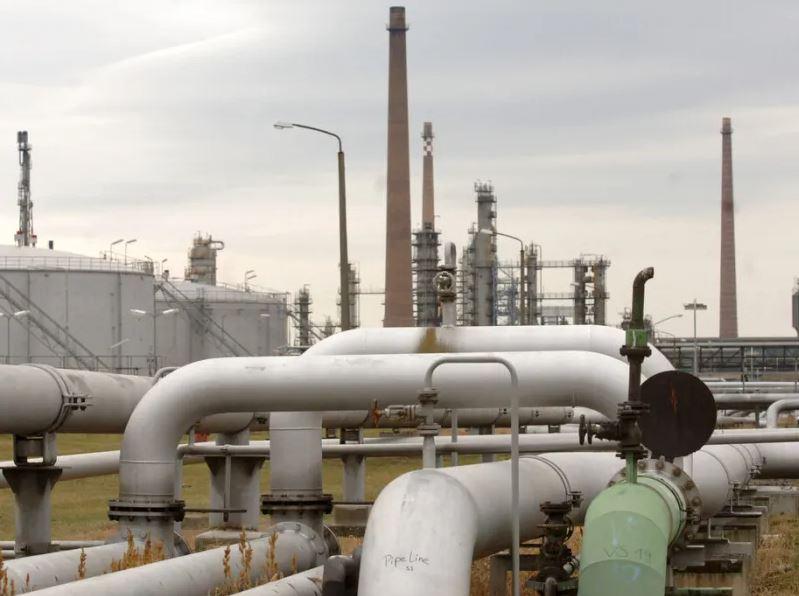
The Druzhba pipeline is described as a key route for Russian oil exports to Central Europe, and the dispute is tied directly to Slovakia’s energy security and its leverage inside EU decision-making.
The conflict is also linked to the pipeline’s damage in January in a Russian attack, with Reuters’ account in the DIE WELT report saying it was “damaged in January in a Russian attack and therefore temporarily shut down, according to Ukrainian authorities.”
In parallel, the EU’s foreign policy chief Kaja Kallas said on April 16 that the bloc is preparing to advance its 20th package of sanctions against Russia, writing that “The Foreign Affairs Council will take this up next week.”
Pipeline damage and competing claims
The sanctions dispute is rooted in the Druzhba pipeline’s outage after damage in January, which multiple outlets connect to a Russian attack and to accusations about who delayed repairs.
The DIE WELT report says the pipeline “was damaged in January in a Russian attack and therefore temporarily shut down, according to Ukrainian authorities,” and it adds that “Hungary and Slovakia accused Kyiv of delaying repairs to the pipeline and using the alleged damage as a pretext to shut it down.”
The Gazeta Express report similarly states that the pipeline was “damaged by Russian attacks in Ukraine on January 27,” and it describes the pipeline as “vital to Slovakia and Hungary's oil supplies.”
In the same reporting, Slovak Foreign Minister Juraj Blanár is quoted arguing that the pipeline issue is “the only way to put pressure on Kiev and the European Commission to restore Druzhba.”
The Kyiv Independent frames the pipeline as “a key route for Russian oil exports to Central Europe,” and it says the Druzhba remains “a critical concern for Slovakia's energy security as well as a source of contention between Ukraine and its Central European neighbors.”
The mezha.net report adds that “transport of Russian oil through the Druzhba pipeline from Ukraine to Slovakia and Hungary was halted in January after damage caused during a Russian attack,” and it notes that “Bratislava and Budapest have repeatedly accused Kyiv of delaying the resumption of crude oil transport for political reasons.”
Blanár, Kallas, and the EU vote
As the EU prepares to move toward the 20th sanctions package, the reporting shows a direct clash between Slovakia’s conditional stance and the EU leadership’s push to proceed.
“Slovakia intends to block a new package of sanctions The EU is against Russia”
Kaja Kallas, the EU foreign policy chief, said on April 16 that “On the EU side, it is high time to ... move forward with the 20th sanctions package,” and she added that “The Foreign Affairs Council will take this up next week,” according to the Kyiv Independent.
The same outlet says Slovakia’s Foreign Minister Juraj Blanar told members of the Slovak Parliament's European Affairs Committee that Bratislava wants “a clear guarantee that the Druzhba oil pipeline will be reopened,” and it reports that Slovakia would block the sanctions package if the pipeline is not operational.
The DIE WELT report similarly quotes Blanar as seeing the pipeline as “this as the only lever of pressure against Kyiv and Brussels,” and it attributes to him the claim, “We have no other means to force Ukrainian President Wolodymyr Selenskyj and the European Commission to bring Druschba into operation.”
The Kyiv Independent also reports that when asked about Kallas’ push to move forward despite Slovakia’s position, “a source familiar with the matter told the Kyiv Independent that Kallas intends to advance initiatives previously blocked by Hungary.”
It further says it “remains to be seen whether Slovakia will maintain its position when national ambassadors meet to discuss the proposal on April 17.”
Loan vs sanctions: €90 billion split
While Slovakia threatens to block the sanctions package, multiple outlets emphasize that Bratislava is separating that stance from support for an EU loan to Ukraine.
The Latest news from Azerbaijan report says Slovakia “is ready to oppose a new EU sanctions package against Russia but has stated it will not block the approval of a €90 billion loan for Ukraine,” and it attributes the announcement to Slovak Foreign Minister Juraj Blanár.
The mezha.net report states that “At the same time, he noted that the country does not oppose providing Ukraine with an EU loan of 90 billion euros,” and it adds that the loan had been blocked by Hungarian Prime Minister Viktor Orbán after his party Fidesz suffered a defeat in the latest parliamentary elections.
The New Voice of Ukraine report says Blanár “would not oppose a €90 billion loan to Ukraine,” and it adds that “blocking sanctions is not related to the issue of the EU loan for Ukraine.”
Ukrainska Pravda’s account similarly says Blanár “will not oppose the provision of a €90 billion loan to Ukraine,” and it notes that the loan had previously been blocked by Viktor Orbán, whose party lost Hungary’s parliamentary elections.
The reporting also includes a timeline for disbursement, with the Latest news from Azerbaijan report saying “The European Commission expects Ukraine to receive the first tranche of the total €90 billion loan as early as the second quarter of 2026.”
What happens next in the EU
The sources portray the immediate next steps as a sequence of EU deliberations and potential veto dynamics tied to the Druzhba pipeline’s operational status.
“Slovakia is ready to oppose a new EU sanctions package against Russia but has stated it will not block the approval of a €90 billion loan for Ukraine”
The Kyiv Independent says it “remains to be seen whether Slovakia will maintain its position when national ambassadors meet to discuss the proposal on April 17,” placing the decision window close to that date.
The DIE WELT report adds that Slovakia’s threat is conditional on the pipeline’s status “when the 20th sanctions package is on the table for approval,” and it frames the pipeline as the “only lever of pressure against Kyiv and Brussels.”
Gazeta Express similarly says Slovakia “would not approve the 20th package of sanctions unless the pipeline was restored,” and it quotes Blanár saying, “If the pipeline is not operational when the time comes to approve the new package, we will not support it.”
At the same time, Gazeta Express reports that Blanár “clarified that Slovakia will not block EU financial assistance to Ukraine, despite tensions over the issue,” reinforcing the split between sanctions and the €90 billion loan.
The Latest news from Azerbaijan report says Bratislava expects “clear, transparent, and confirmed guarantees regarding the resumption of operations of the Druzhba oil pipeline.”
More on Russia
Russia Offers Energy Support to China Amid Middle East and Ukraine Crises
10 sources compared
Xi Jinping Urges Stronger China-Russia Strategic Coordination During Lavrov Meeting
10 sources compared
UAE and China Expand Economic Partnership with $111 Billion Non-Oil Trade
11 sources compared

Spain’s Sanchez Urges China to Lead Amid US Unreliability and Global Order Crisis
13 sources compared