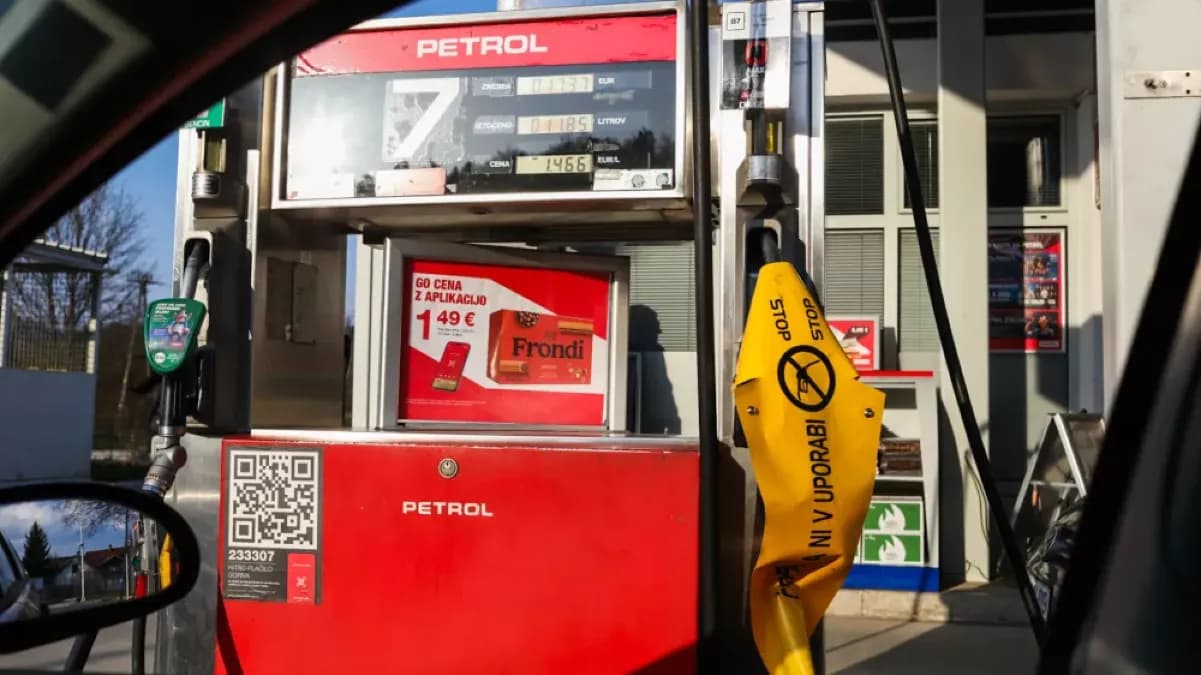
Slovenian Government Imposes Fuel Rationing, Deploys Military to Secure Energy Supply
Key Takeaways
- Slovenia imposes fuel rationing to counter Middle East–related energy disruptions.
- Military deployed to address bottlenecks and secure energy supply.
- Daily fuel quota and a 50-liter per-citizen cap.
Fuel Rationing Decision
The Slovenian government has implemented unprecedented fuel rationing measures in response to escalating Middle East tensions.
“- Published Slovenia has become the first EU member state to implement fuel rationing to tackle disruptions caused by the US-Israeli strikes on Iran and its retaliation on their allies in the Gulf - most major players in world energy markets”
This marks the first time an EU member state has adopted such extreme fuel restrictions.
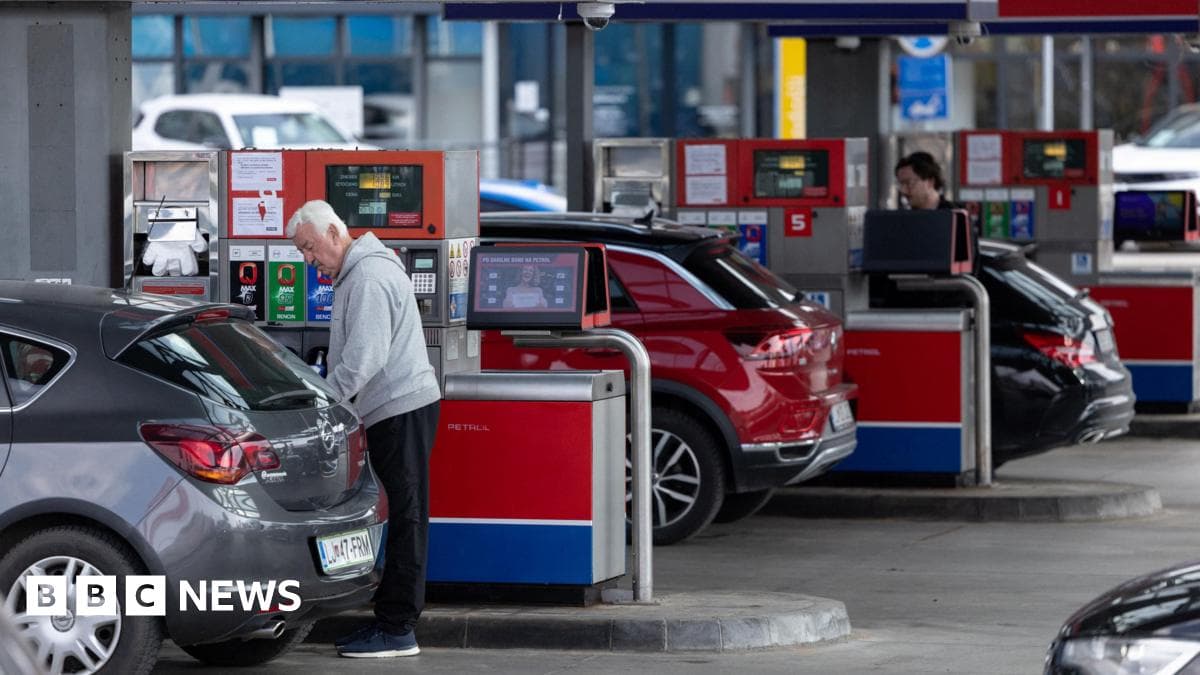
The decision comes as global energy market disruptions are caused by US-Israeli strikes on Iran and subsequent retaliatory actions in the Gulf region.
These events impact major players in world energy markets, leading to steep price hikes across the region.
Military Deployment
The Slovenian Armed Forces have been directly deployed to manage fuel distribution operations.
Military transport units and personnel have been assigned to overcome obstacles in fuel shipments.
The army is transporting fuel from storage facilities directly to service stations nationwide.
The government has activated an emergency action plan prepared specifically for distribution infrastructure disruptions.
Fuel Quota Details
Under the new nationwide regulations, individual consumers face strict daily fuel purchase limits of 50 liters.
“Slovenia limits fuel: a maximum of 50 liters per day for citizens, army mobilized and tensions with distributors”
Businesses engaged in commercial activities and farmers are allocated a more generous allowance of 200 liters per day.
These restrictions will remain in effect until further notice as the government attempts to manage supply constraints.
Prime Minister Robert Golob has publicly reassured citizens that there is sufficient fuel available in Slovenia.
Regional Effects
The fuel rationing measures have triggered significant regional spillover effects.
Increased 'fuel tourism' has emerged as drivers from neighboring countries, especially Austria, seek lower prices.
The government is actively working to limit cross-border fuel flows.
Political confrontations have sharpened, with criticism directed at Petrol, the main fuel operator.
Broader Implications
The Slovenian energy crisis is creating far-reaching economic and mobility challenges.
These effects extend beyond national borders, potentially affecting the entire Northeast region.
Border areas and local economies are already grappling with other energy-cost-related challenges.
The government will monitor effectiveness daily with the possibility of further restrictions.
More on Other
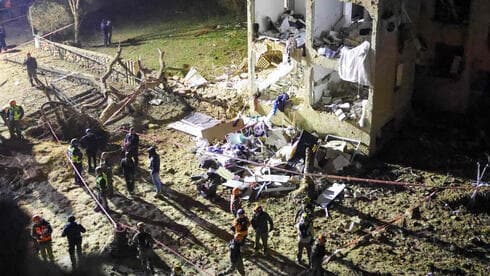
Iranian Missiles Strike Israel; Officials Report 180 Injured Amid Conflicting Casualty Figures.
12 sources compared
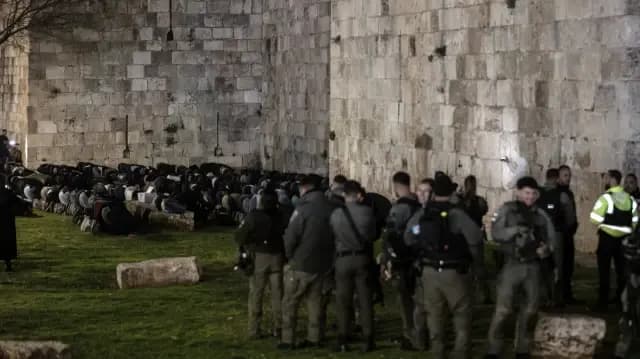
Israel Bans Eid Prayers at Al-Aqsa Mosque in Occupied East Jerusalem.
10 sources compared
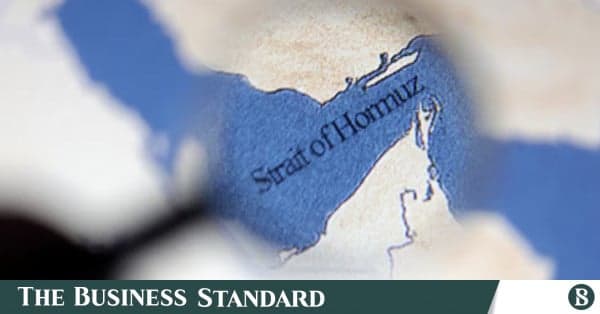
Iran triggers Strait of Hormuz closure, disrupting India's LPG market and destabilizing energy supplies.
14 sources compared

Cuban Border Guards Shoot Dead Occupants of Florida-Registered Speedboat; Reports Vary on Death Toll
73 sources compared