Technology and Science · 14 May, 2026 · 2 min read
Solar Impulse 2 Crashes Into Gulf Of Mexico During Autonomous Test Flight
Solar Impulse 2 crashed into Gulf of Mexico off Mississippi during autonomous test flight. No one was on board; flight operated by Skydweller Aero.
Whether it remained a 'solar pioneer' or became primarily a surveillance drone.
6 of 7 outlets skipped it: ars describes Navy FLEX 2026 maritime patrol for transnational organized crime..
10outlets compared
Same story, two versions
tap a side to read it in full
Popular Science
“Instead of focusing on its solar capabilities, Skydweller hoped to pursue”Read the original ↗
Shifts audience framing from clean-energy milestone to military ISR failure risk.
Solar Impulse 2 lost
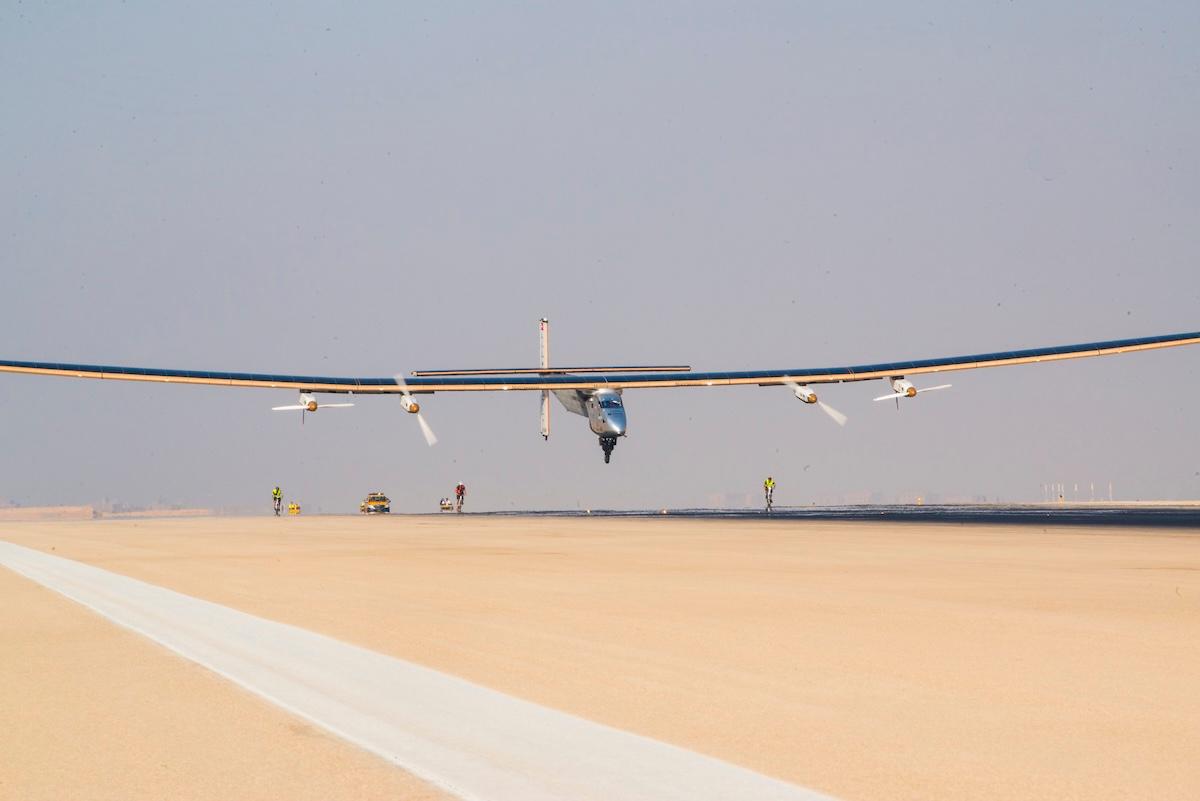
Solar Impulse 2, a solar-powered aircraft that had made a 2016 stopover in the Lehigh Valley, was “destroyed” after it crashed May 4 into the Gulf of Mexico during an autonomous test flight.
The National Transportation Safety Board said the crash occurred after the aircraft lost power, and the NTSB aviation investigation notification reported that no one was onboard and there were no injuries.
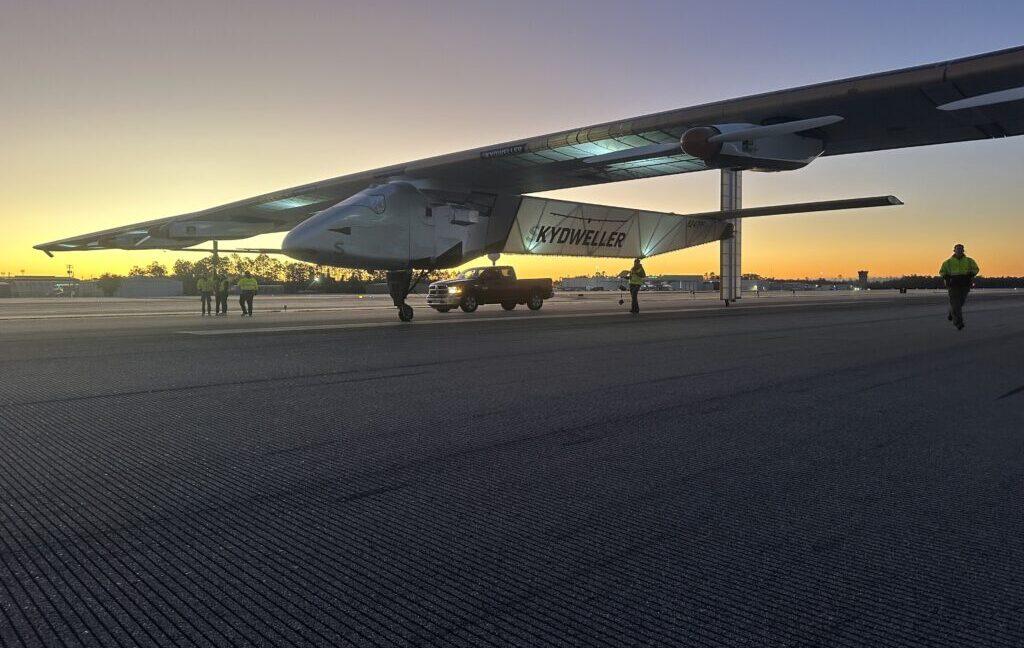
The flight originated from Stennis International Airport in Kiln, Mississippi, and the aircraft was being operated as a drone by Skydweller Aero, a Spanish-American company that purchased the aircraft in 2019.
Skydweller said its prototype aircraft executed “a controlled water ditching” in the gulf following an eight-day-and-14-minute autonomous maritime patrol flight that started April 26 in conjunction with the U.S. Navy.
How it was used
Multiple outlets tied the May 4 crash to Skydweller’s conversion of Solar Impulse 2 into an uncrewed surveillance prototype, with DroneXL saying it was “a Skydweller military surveillance prototype wearing the same airframe.” Ars Technica reported that Skydweller Aero purchased and modified the original Solar Impulse 2 aircraft to become a test platform for “perpetual uncrewed flight” with the capability of carrying up to 800 pounds (363 kilograms) of payload.
Ars Technica also described the drone’s final mission as maritime patrol scenario testing for the US military, noting that it took off on April 26 after departing from Stennis International Airport in Mississippi. In that Navy context, Ars Technica said the FLEX 2026 event involved testing AI and drone technologies for maritime patrols “in the fight against transnational organized crime,” and it reported four days of continuous flight using radar along with visual and thermal imaging.
What comes next
The crash ended the operational chapter of the converted aircraft, with Lehighvalleylive reporting that the NTSB said it was continuing to investigate the crash. Popular Science quoted Bertrand Piccard and André Borschberg saying, “The Solar Impulse team is saddened by the loss of an important technological flagship,” after they learned of the crash through social media.P
“The NTSB said it was continuing to investigate the crash.”
The Lehighvalleylive account also said Solar Impulse 2 was supposed to return to Switzerland for permanent display at the Swiss Museum of Transport in Lucerne, a plan that DroneXL said is now unfulfillable. Ars Technica framed the loss as the “untimely demise” of Solar Impulse 2, noting that the carbon-fiber aircraft had previously performed the world’s first solar-powered crossings of the Atlantic and Pacific oceans before becoming an uncrewed test platform for US military missions.