
South Korea Welcomes US-Iran Ceasefire Amid Strait Of Hormuz Shipping Standstill
Key Takeaways
- South Korea welcomes two-week US-Iran ceasefire.
- Seoul hopes the ceasefire allows full resumption of Hormuz shipping.
- Strait of Hormuz shipping remains at standstill despite the ceasefire.
Ceasefire and Strait
South Korea welcomed the two-week ceasefire between the United States and Iran.
Seoul's Foreign Ministry said the government welcomes the agreement which has created an opportunity to resume transit through the Strait of Hormuz.

The ceasefire announcement came after Trump said he would suspend military strikes contingent on Tehran agreeing to the complete and immediate reopening of the Strait of Hormuz.
Shipping remained at a standstill despite the ceasefire, with only a handful of vessels transiting the strait.
Trump accused Iran of doing a very poor job of allowing Oil to go through the Strait of Hormuz.
Iranian Foreign Minister Abbas Araghchi accused the US of not honouring the deal.
Energy and Economic Impact
The war knocked out roughly 14 million barrels per day of petroleum product supplies.
Aviation fuel prices in Europe rose significantly.

US allies in Asia were forced to turn to Iran and Russia for energy supplies.
South Korea bought naphtha from Russia for the first time in four years.
The war dealt a blow to the US's web of allies around the world.
Legal and Military Dynamics
Iran's effective lockdown of the Strait of Hormuz was meant as retaliation against US-Israeli strikes.
Iran reportedly charged a $2 million transit fee to ships from certain friendly nations.
Iran relies on the older 1958 Geneva Convention framework, not UNCLOS.
The actual navigable lanes fall within the territorial sea limits claimed by both Iran and Oman.
Iran invested heavily in asymmetric warfare capabilities post-1979.
Geopolitical Shifts
The war exposed contradictions in the Trump administration's geopolitical worldview.
Russia supplied Iran with intelligence and advanced drone capabilities.

China provided Iran with sodium perchlorate.
The conflict reshuffled energy trade and partnerships in the region.
Ambassador Kritenbrink said Washington would remain an indispensable ally.
More on Iran
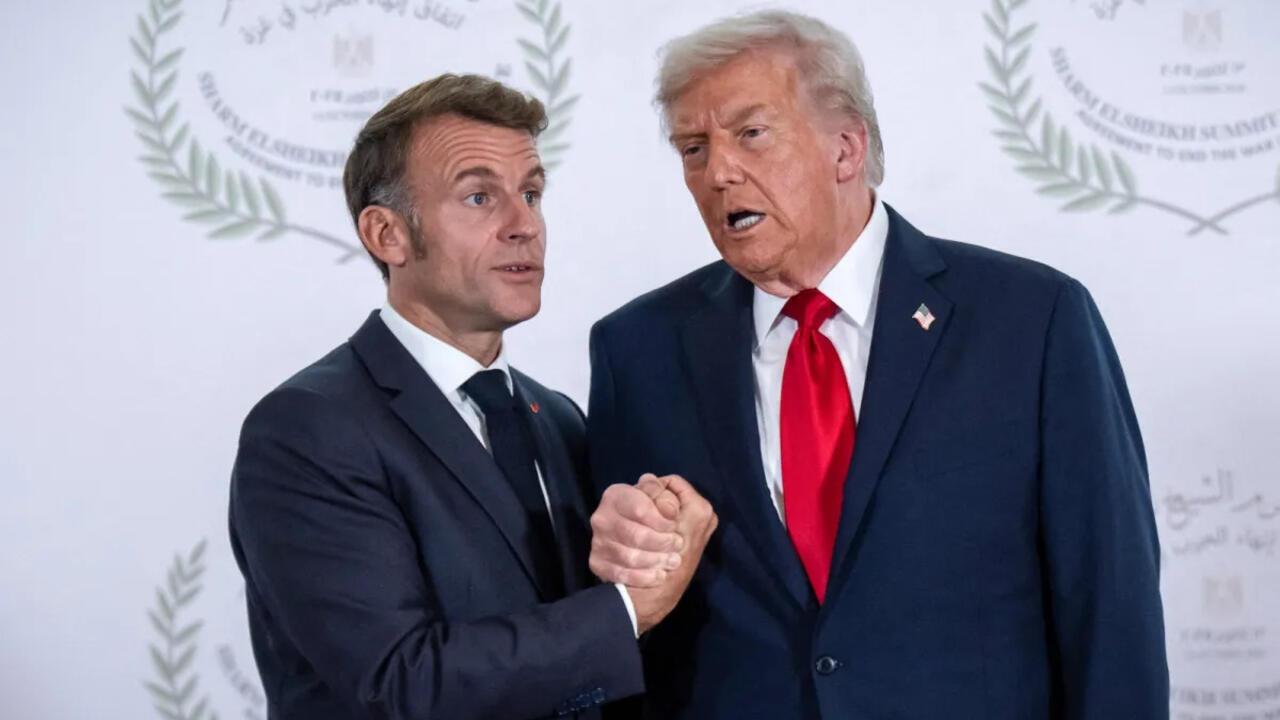
Trump Demands NATO Reopen Strait of Hormuz Amid European Resistance
10 sources compared

US Vice President JD Vance Leads Peace Talks With Iran In Islamabad
41 sources compared

JD Vance Leads US Peace Talks in Pakistan, Warns Iran Against Playing US
21 sources compared
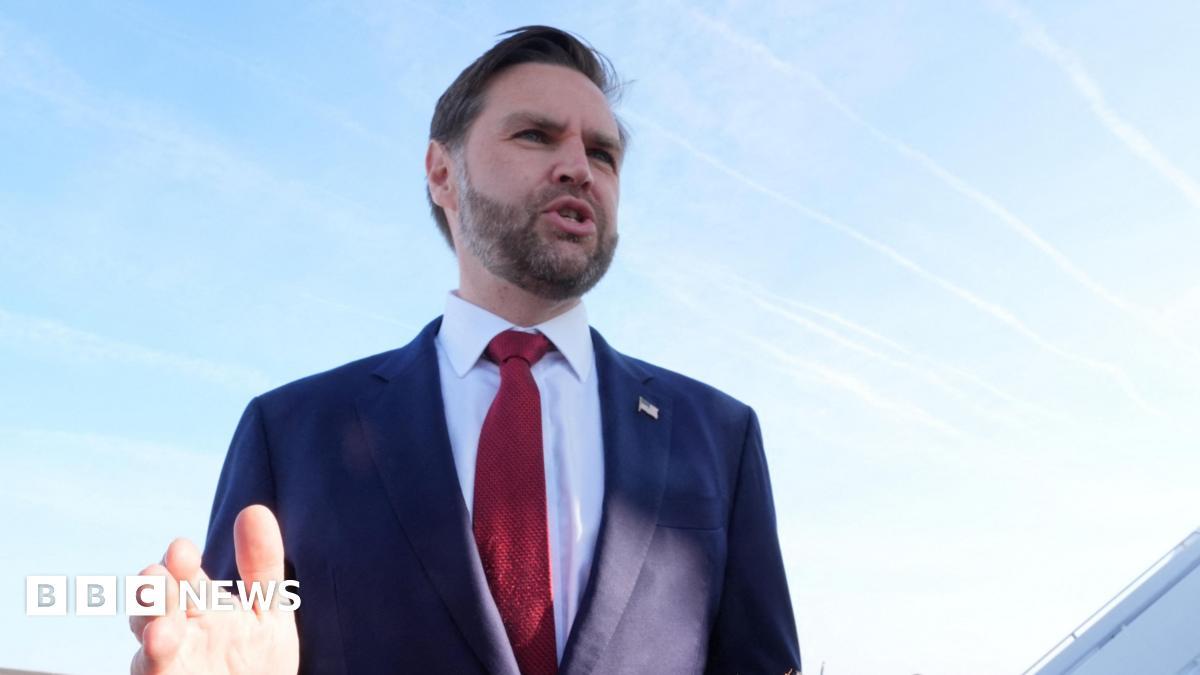
Vice President JD Vance Leads U.S. Peace Talks With Iran In Pakistan
15 sources compared