Iran05 March, 20264 min read
Sri Lankan Hospital Discharges 22 Sailors From Torpedoed Iranian Vessel Iris Dena
Karapitiya Hospital discharged 22 rescued Iranian sailors treated after the attack. A torpedo strike, attributed to a U.S. submarine, sank the Iranian warship off Sri Lanka.

IRIS Dena sinking reports
An Iranian frigate, the IRIS Dena, was struck and sank off Sri Lanka while returning from naval events in India, which multiple outlets describe as a torpedo impact.
“An Iranian frigate, IRIS Dena, was struck by a torpedo and sank in international waters off Sri Lanka’s southern coast while returning from India, where it had participated in the International Fleet Review and the MILAN naval exercise (Feb. 15–25).”
Gulf News reported the frigate was struck by a torpedo and sank in international waters off Sri Lanka’s southern coast while returning from India, where it had participated in the International Fleet Review and the MILAN naval exercise (Feb. 15–25).
PBS wrote that the ship was sunk by a U.S. submarine in international waters off Sri Lanka and noted the Pentagon released video showing an underwater explosion.
The BBC said rescue teams recovered at least 87 bodies and rescued 32 sailors after the Iranian warship Dena was struck and sank in the Indian Ocean on 4 March about 20 nautical miles west of Galle (inside Sri Lanka’s search-and-rescue zone).
The reports conflict on cause and location, with PBS attributing the sinking to a U.S. submarine, Gulf News describing a torpedo strike in international waters off Sri Lanka’s southern coast, and the BBC placing the sinking on 4 March about 20 nautical miles west of Galle inside Sri Lanka’s search-and-rescue zone.
Casualty report discrepancies
Survivors were taken to Sri Lankan medical facilities and some patients were later discharged, but the published accounts vary on numbers and no provided source explicitly uses the figure '22' for discharged sailors. The South China Morning Post noted that 'Authorities said 84 Iranian bodies recovered from the Indian Ocean were at a hospital, while people discharged overnight were moved to a nearby beach resort.' tv360nigeria reported Sri Lanka 'treated 32 seriously injured sailors in Galle, and is continuing to search for missing crew.'
Island.lk recorded that 'Thirty crew members were reported rescued and taken to Karapitiya Hospital in Galle; other reports differ.' newslivetv said rescue teams 'have recovered some bodies and 32 injured sailors so far, many remain missing and search operations continue.' The reports contradict one another on casualty and survivor totals, with different outlets giving different counts and none of the provided excerpts citing '22' discharged sailors.
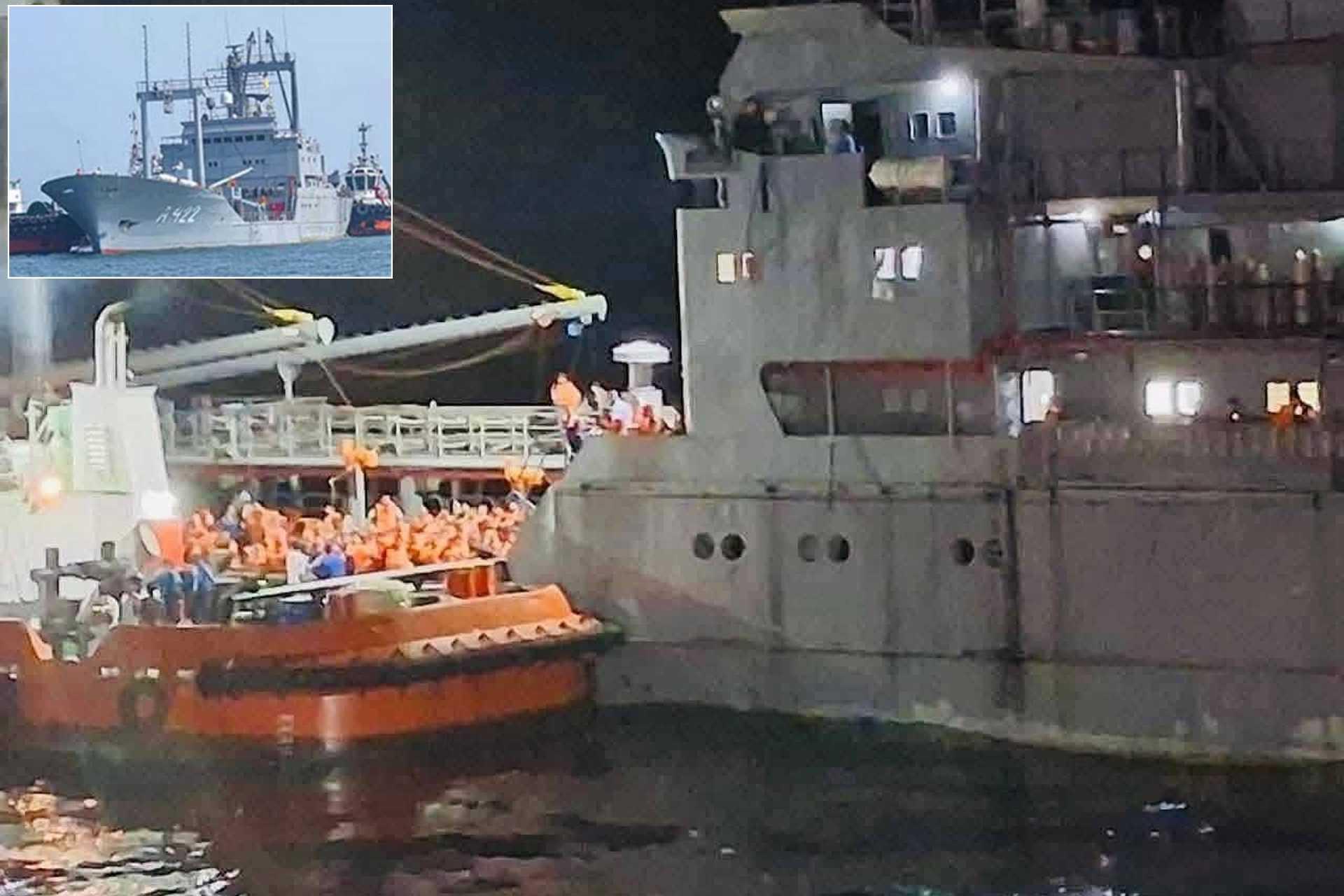
Response to IRIS Bushehr
Sri Lankan authorities responded to a second Iranian vessel, IRIS Bushehr, moving to protect and process its crew amid concerns the ship might be targeted. Army Recognition reported that Colombo "placed the Iranian replenishment ship IRIS Bushehr under state supervision," evacuated 208 crew (officers, cadets and sailors), processed them in Colombo for medical and immigration checks, and transferred them to the Welisara naval base. The Northeast Herald said officials "evacuated 208 crew members from the Iranian navy vessel IRIS Bushehr" and stressed Sri Lanka’s neutrality.
“Sri Lanka placed the Iranian replenishment ship IRIS Bushehr under state supervision after the vessel reported an engine malfunction and requested entry into Sri Lankan waters on March 4–5. Colombo allowed the ship in but kept it away from the main commercial harbor, saying it would escort Bushehr to Trincomalee and citing neutrality and port/insurance concerns. Authorities evacuated 208 crew (officers, cadets and sailors), processed them in Colombo for medical and immigration checks, and transferred them to the Welisara naval base while leaving some original crew aboard to assist Sri Lankan personnel.”
The Express Tribune added that the Bushehr was "reported just outside Sri Lanka’s territorial waters" and that the president convened senior officials to consider an Iranian request to allow the ship into Sri Lankan waters for safety. Those accounts show Colombo combining humanitarian assistance with protective custody and port management amid heightened risk.
U.S. submarine torpedo strike
U.S. officials publicly acknowledged the use of a submarine torpedo and the strike drew sharp condemnations from Iran.
News18 reported that U.S. Defense Secretary Pete Hegseth confirmed an American submarine fired the torpedo.
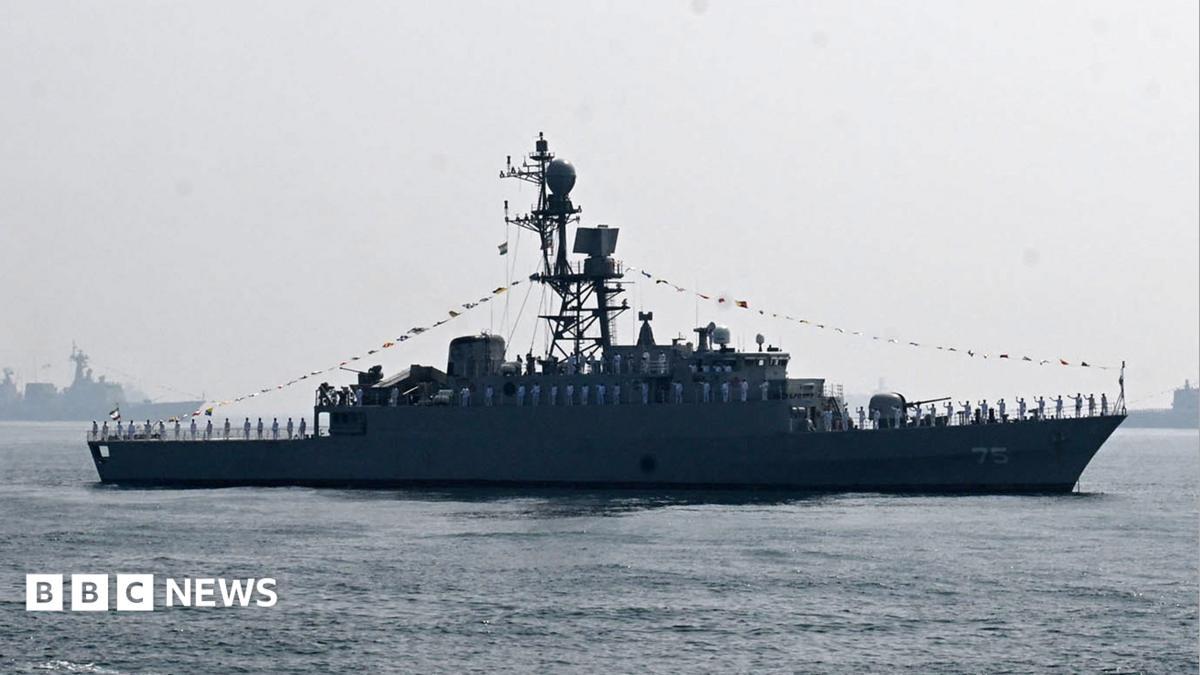
PBS noted the Pentagon released video showing an underwater explosion.
Al Jazeera said the U.S. release confirmed the strike and called it the first U.S. submarine torpedo sinking of an enemy warship since World War II.
WION recorded Tehran's reaction that Iran called the attack an 'atrocity at sea' and warned the U.S. it would 'bitterly regret' the precedent.
These sources show official U.S. confirmation of a torpedo strike and strong Iranian denunciations, underlining the diplomatic and military fallout.

Naval incident fallout
Observers and regional governments warned the incident widens the conflict and raises legal and diplomatic questions for India and Sri Lanka.
“The sinking has widened the conflict's geographic reach and created an awkward diplomatic moment for India: the Dena had been a guest at India’s International Fleet Review and Exercise Milan in Visakhapatnam just days earlier, and critics called the incident a strategic embarrassment for Delhi. Officials and analysts note unresolved questions — why the ship remained in the area 10–12 days after the exercise, whether it was lightly armed as visiting ships often are, and how the attack was permitted — and cite legal obligations to rescue shipwrecked sailors under the Second Geneva Convention.”
The BBC said the sinking "has widened the conflict's geographic reach and created an awkward diplomatic moment for India."

The BBC flagged unresolved questions — why the ship remained in the area 10–12 days after the exercise and how the attack was permitted.
The Hindu noted that "If true, the incident would raise U.S.–Iran tensions and stoke fears of wider naval clashes in the Indian Ocean."
Details on casualties and the extent of the ship's damage remain unclear.
Military coverage quoted U.S. officials defending the operation, with Joint Chiefs chair Gen. Dan Caine saying only the United States can "hunt, find and kill an out‑of‑area deployer" at that scale.
Mint framed the sinking as part of "a sharp regional escalation."
Together these accounts portray a multidimensional crisis — humanitarian, legal and strategic — with continuing search-and-rescue, calls for inquiry, and diplomatic fallout.