
Steve Witkoff Predicts Iran Will Hold Talks With Washington Over 15-Point Plan This Week
Key Takeaways
- Witkoff predicts Iran will hold talks with Washington this week as war enters second month.
- War began February 28 with US-Israeli airstrikes on Iran, triggering ongoing conflict.
- Witkoff is the US special envoy on Iran negotiations under Trump.
Imminent Iran-Washington talks
Steve Witkoff’s assertion that Iran will hold talks with Washington this week marks the single most consequential new development in the crisis, potentially opening a diplomatic channel after two months of US-Israeli air strikes.
“Iran, US-Israel War Live Updates | US envoy predicts Iran talks as war enters second monthHello readers”
He framed the moment around a 15-point peace plan and suggested Tehran’s response could solve it all.

Reports from multiple outlets tie this forecast to his Miami remarks and emphasize meetings could occur this week, even as strikes continue and the Strait of Hormuz remains a flashpoint.
15-point plan: missing details
Details of the '15-point' peace plan are not enumerated in the articles, but the plan is described as on the table and as a path toward Tehran’s reply.
TRT World highlights the points exist and could 'solve it all,' while SCMP notes Washington expects Tehran to reply to the plan.

The absence of published points leaves critics and readers without a map of concessions.
In the broader frame, the debates around Hormuz and energy security loom as a yardstick for the viability of any deal, underscoring that diplomacy is being weighed against regional anxiety about shipping lanes.
Strategic implications of talks
If Tehran signals a reply, diplomacy could recalibrate the conflict dynamics and ease pressure on Hormuz.
“US President Donald Trump's special envoy Steve Witkoff said Friday he believes Iran will hold talks with Washington "this week" as the US-Israeli war against Tehran entered its second month”
TRT World tallies casualties from the broader campaign, noting that the US and Israel have been carrying out airstrikes on Iran since Feb. 28, killing more than 1,340 people.
SCMP recounts market turmoil tied to the potential closure of the Hormuz chokepoint.
The stakes thus extend beyond borders to energy markets and regional stability, making any deal contingent on credible compliance from Tehran and Washington alike.
Framing and omissions across sources
Framing and omissions across outlets reveal a bias in how the crisis is covered.
Non-Western outlets foreground Witkoff’s diplomacy claim and the associated casualty figures, while Western outlets sometimes emphasize deferral or risk obscuring the starting point of the conflict and the scale of violence.
SCMP notes the sequence of strikes and the shock waves that followed, including a claim about killing the supreme leader and triggering wider alarm, while TRT World stresses the scale of the planned plan and the call for Tehran to respond.
The Mountaineer highlights Western diplomatic chatter around Hormuz and energy security as the backdrop to any negotiated pause.
Policy implications and stakes
If the Iranian side engages and the 15-point plan becomes clearer, there is a potential pivot toward de-escalation.
“Iran, US-Israel War Live Updates | US envoy predicts Iran talks as war enters second monthHello readers”
The repeated claim that a response could 'solve it all' underscores how a tangible diplomatic opening could reshape the strategic balance, reduce casualties, and stabilize energy markets—yet the lack of detailed points makes the exact terms and concessions unclear.
The ongoing commentary from Washington and allied capitals suggests that any deal would be tested by who implements what on the ground and how quickly.
More on Iran

Iran Allows 20 Pakistani-Flagged Ships Through Strait Of Hormuz
14 sources compared
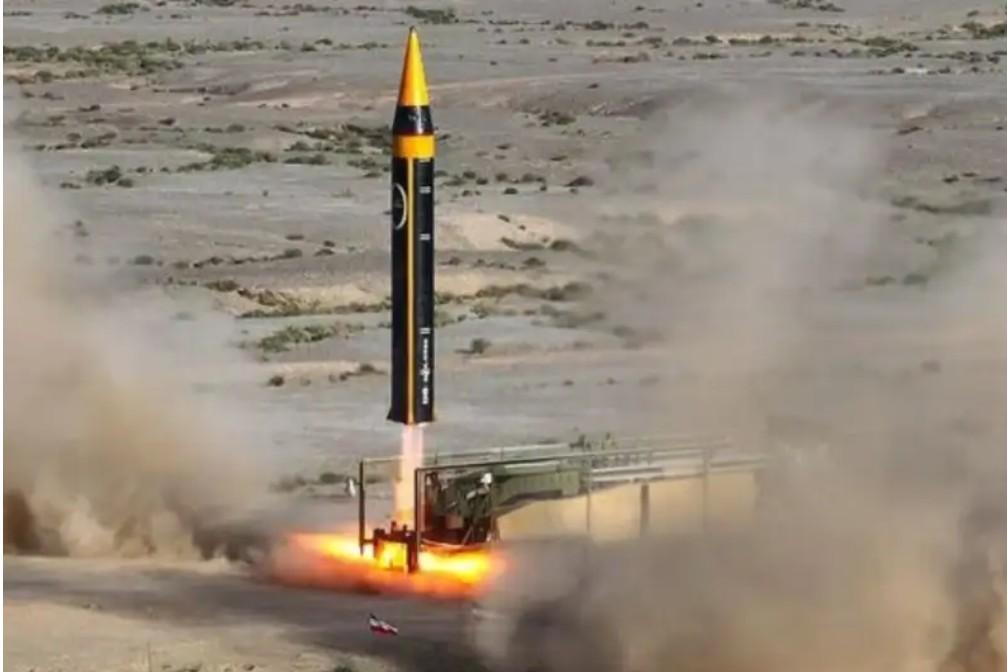
Houthis Formally Enter Iran-Israel War By Firing Missiles And Drones At Israel
16 sources compared
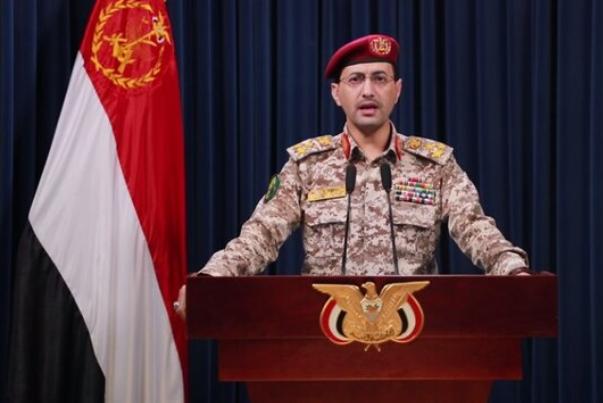
Houthis Launch First Missiles At Israel, Joining Iran War And Threatening Red Sea Routes
75 sources compared

Pentagon Plans Weeks-Long Ground Operations In Iran
21 sources compared