
Storm System Brings Blizzard Conditions to U.S. Northern Tier
Key Takeaways
- Storm system delivers blizzard conditions in Upper Midwest and heavy snow across central, eastern U.S.
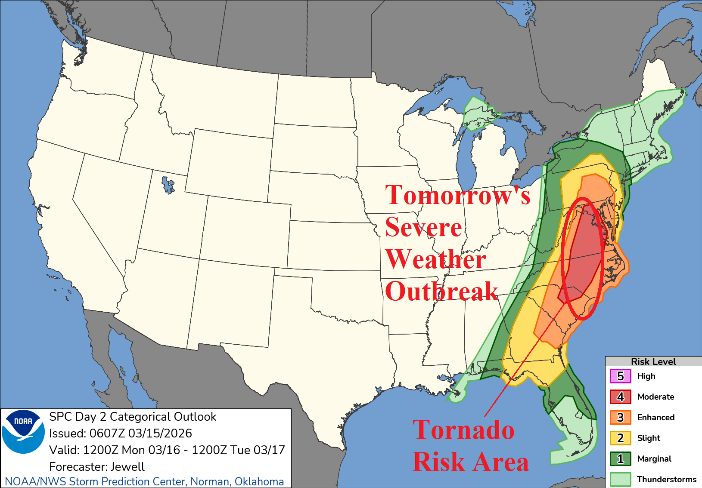
- Tornado warnings and damaging winds expected across Mid-Atlantic and East Coast.
- Air travel disruption with thousands of cancellations across major hubs nationwide.
Blizzard Conditions Intensify
A powerful storm system has brought severe blizzard conditions across the U.S. Northern Tier, dumping massive amounts of snow across the Upper Midwest and Great Lakes regions.
“Severe weather threats across the United States have millions of Americans on alert for blizzard conditions, potential tornadoes and record-breaking high temperatures in the coming days”
The blizzard has created widespread hazardous conditions with over 20 inches of snow falling in some portions of southeastern Minnesota and western Wisconsin as of Sunday afternoon.

Central Wisconsin and Michigan's Upper Peninsula are expected to see accumulations exceeding 2 feet with isolated totals even higher, according to meteorological forecasts.
The National Weather Service issued blizzard warnings across Minnesota, Michigan and Wisconsin, where transportation officials warned of deteriorating conditions with low visibility and snow-covered roadways becoming impassable in many northern Wisconsin counties.
Transportation Disruptions
The blizzard conditions have severely disrupted transportation infrastructure across the Northern Tier, creating significant challenges for both road and air travel.
In Wisconsin, the Department of Transportation warned that roads are becoming impassable in many northern counties, urging residents to stay off roads to protect their safety and that of others.
A Wisconsin snowplow driver described the conditions as one of the worst storms he had seen in years, noting that "You can't see anything when you're on the highways outside of the city."
The air travel system has been particularly hard hit, with over 600 flights canceled at Minneapolis-Saint Paul International Airport alone on Sunday, according to FlightAware tracking data.
Additional cancellations affected flights in and out of Detroit airports, with Chicago's O'Hare and Midway international airports reporting more than 850 cancellations combined as weather conditions deteriorated.
Emergency Response Activated
Emergency response efforts have been activated across the affected regions as officials work to address the widespread impacts of the blizzard.
“In response, the Baltimore County Executive, Kathy Klausmeier, said the county would open the Emergency Operations Center and that the state Emergency Management Department would coordinate preparedness measures”
In Nebraska, approximately 30 National Guard members have been deployed to help combat multiple wildfires across a broad swath of range and grassland, with one fire-related fatality already reported.
Gov. Jim Pillen urged residents to follow locally issued evacuation orders, noting that winds were "supposed to be extraordinary" on Sunday.
Power outages have affected hundreds of thousands of residents, with over 210,000 utility customers in six Great Lakes states without electricity as of Sunday afternoon, according to PowerOutage.us tracking data.
Some of these outages originated on Friday when gusts in the region reached 85 mph (137 km).
The severe weather has also triggered emergency declarations and shelter activations in multiple states as communities brace for continuing impacts.
Regional Variations
The blizzard conditions have varied significantly across the Northern Tier, with some regions experiencing particularly extreme impacts.
In the northern Wisconsin town of Mountain, nearly 3 feet of snow had fallen since Saturday, with another round of snow and gusty winds expected to bring additional accumulations across Michigan's Upper Peninsula.

Minnesota residents faced blizzard warnings with dangerous wind chills and additional snowfall expected in the Minneapolis area.
Meanwhile, the cold front following the storm is expected to cause temperatures to plummet, with morning low temperatures forecast to reach -6F in Minneapolis, low teens in Chicago, and 30F in Atlanta by Tuesday morning.
This dramatic temperature swing has created additional hazards as the system transitions from heavy snowfall to extreme cold conditions across the region.
Ongoing System Evolution
The storm system continues to evolve as it moves across the country, with forecasters warning of additional impacts in the coming days.
“The three largest fires have scorched more than 900 square miles, including the Morrill County fire that has consumed over 700 square miles, officials reported”
Authorities have urged residents to remain vigilant as conditions can shift rapidly along travel routes.

Airlines have begun issuing weather-related travel waivers for parts of the Midwest, Northeast and island destinations, allowing passengers to rebook without change fees.
The National Weather Service has emphasized that this volatile setup follows a week of turbulent conditions that already brought destructive tornadoes to parts of the Plains and Midwest.
Travelers are being advised to stay informed through official channels and prepare for extended disruptions as the weather system continues to affect multiple regions simultaneously.
More on Technology and Science

Facebook launches Creator Fast Track, guaranteeing up to $3,000 monthly for three months.
10 sources compared

Meningitis B outbreak in Kent triggers vaccination of about 5,000 University of Kent students
32 sources compared

Nintendo Switch 2 Enables Original Switch Games to Run at 1080p in Handheld Mode
11 sources compared

Argentina Exits WHO Under President Javier Milei
23 sources compared