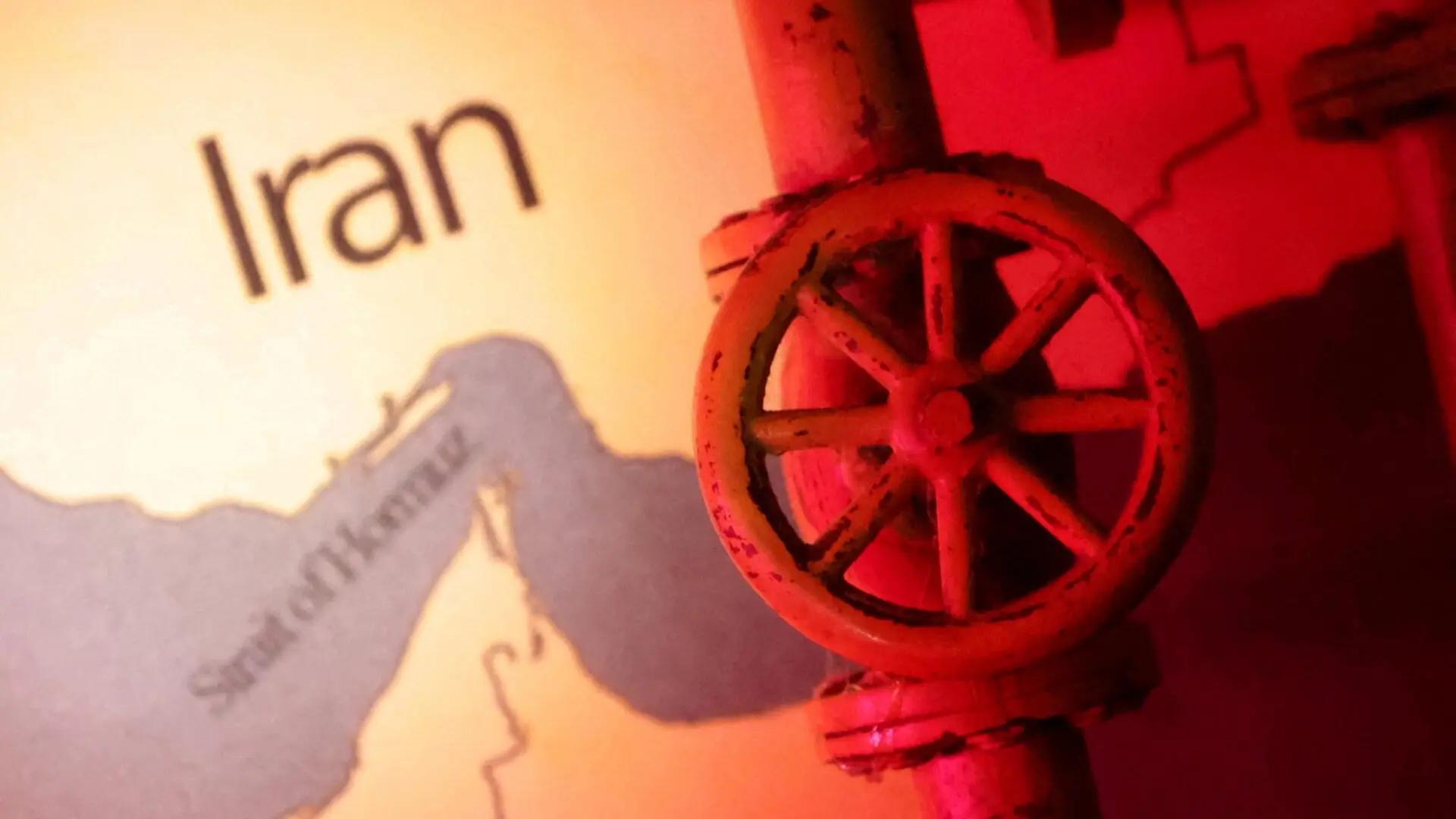
Strait of Hormuz Remains Effectively Blocked Despite Ceasefire
Key Takeaways
- Strait remains effectively blocked with limited traffic despite ceasefire.
- Two-week ceasefire conditioned on safe passage through Hormuz.
- Oil prices fall; full reopening remains uncertain for shipping.
Ceasefire Trade-Offs
The two-week US-Iran ceasefire included an understanding that the Strait of Hormuz would be reopened for commercial traffic.
Iran asserted control over shipping, including a $1-per-barrel toll payable in Bitcoin and coordination with armed forces.

Maersk cautioned that the ceasefire does not yet provide full maritime certainty.
SSY confirmed that Iran's navy warned vessels crossing without permission will be targeted and destroyed.
International Law and Naval Deployment
Just Security warned that Iran's unilateral assertion of authority is inconsistent with freedom of navigation under international law.
The fragile ceasefire does not appear to dismantle Iran's illegal $2 million transit fee.
Only three bulk carriers had passed through since the ceasefire, a tiny fraction of pre-war levels.
Economic Shock and Market Reaction
Global markets responded positively to the ceasefire announcement.
Oil prices plunged more than 15% to around $95 per barrel.
It will take time for relief in crude prices to translate into lower fuel costs.
Operational Challenges
Hapag-Lloyd warned it would take at least six weeks to fully normalize its network.
Approximately 1,000 merchant ships remained stuck in the Persian Gulf.
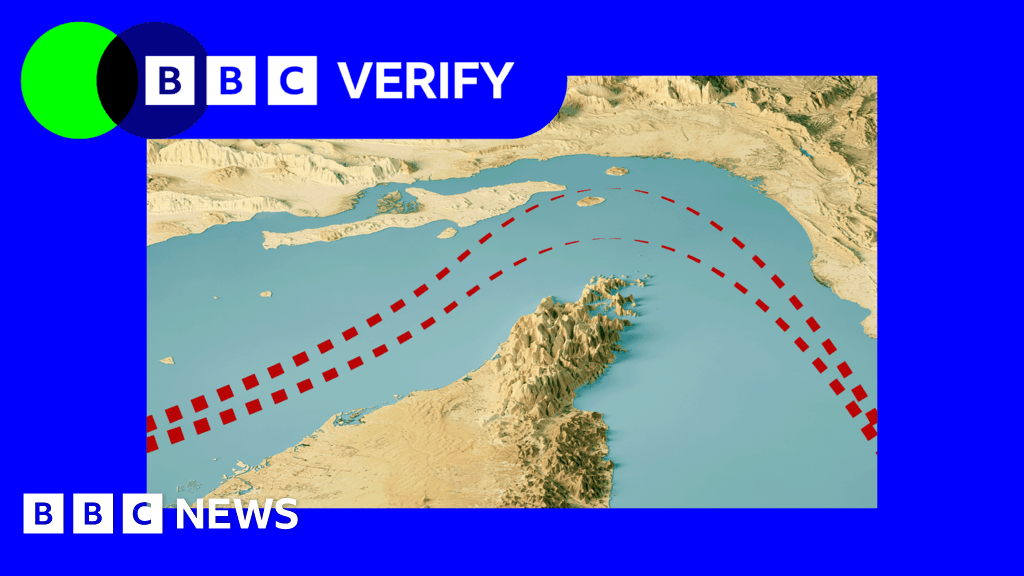
Uncertainty and confusion in the maritime industry remain high.
More on Iran
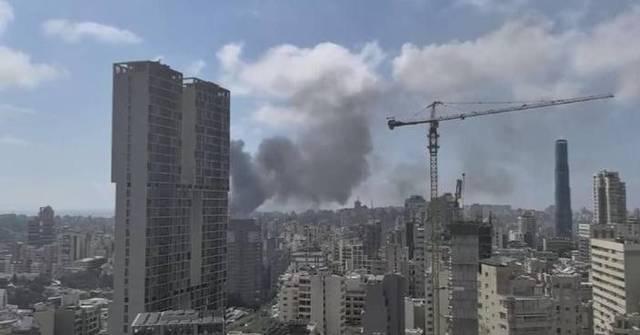
Israel Bombs Lebanon Hours After US-Iran Ceasefire, Kills 254
19 sources compared

Trump Declares "Productive Regime Change" In Iran, Maps Path for Removals and Trade
13 sources compared
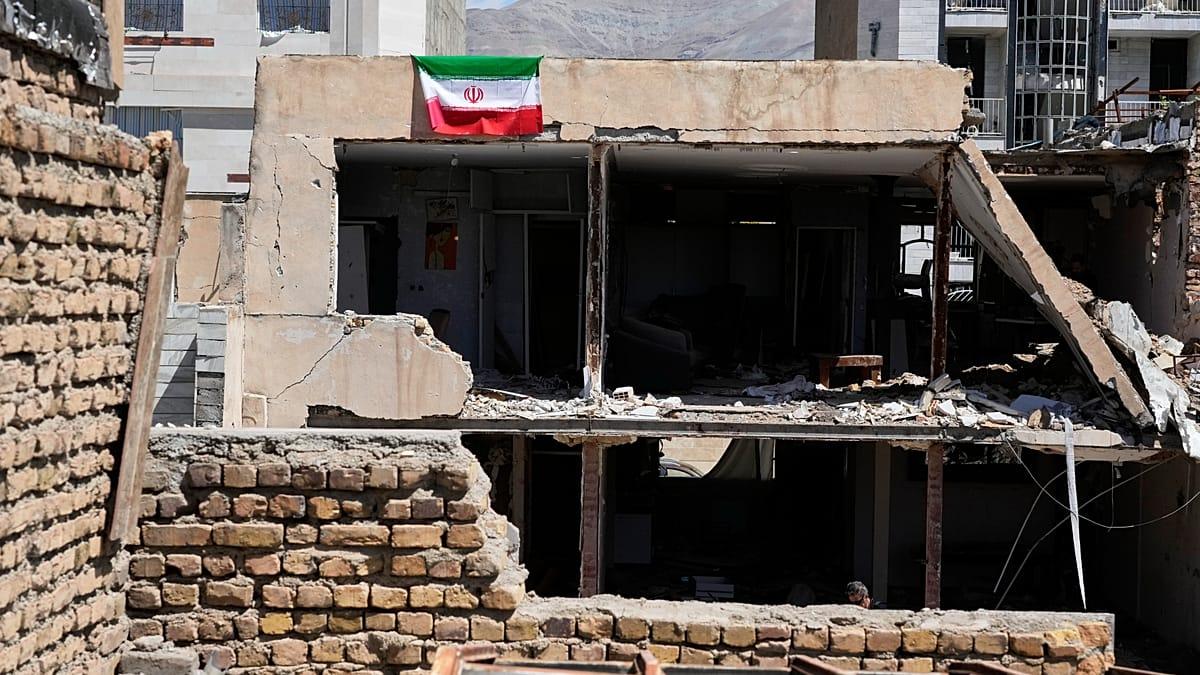
US and Iran Agree to Two-Week Ceasefire and Strait of Hormuz Reopening
11 sources compared

Iran's Supreme National Security Council Lays Out 10-Point Plan Demanding US Withdrawal, Strait Control, Sanctions Lift
12 sources compared