Sudan’s Army Recaptures Strategic Kordofan Area From RSF Near Ethiopian Border
Key Takeaways
- El Obeid in North Kordofan experiences escalating clashes between army and RSF.
- UN warnings of grave civilian risks amid North Kordofan escalation.
- Kordofan has become a major frontline in the civil war.
Kordofan front line
Kordofan, described as an oil-rich region in Sudan, has become a major front line in the war between the army and rival paramilitary forces, with fighting intensifying since June as the army sought to retake territory from the Rapid Support Forces (RSF).
“Khartoum (Agence Fides) – The Sudanese Air Force has resumed bombing of Kordofan using manned aircraft after several months of interruption”
BBC Senior Africa Correspondent Anne Soy reported that the attacks that killed hundreds of civilians at the start of the month drew attention to the battle for Kordofan, where the region comprises three states and has nearly eight million inhabitants.
Amir Amin, an analyst at Oasis Policy Advisory, told the BBC that "Whoever controls Kordofan effectively controls the country's oil supply, as well as a large part of Sudan," linking the contest to the oil pipelines that pass through Kordofan before being exported.
The BBC also reported that General Abdel Fattah al-Burhan landed at Khartoum's main airport on July 20, and that he remains based in Port Sudan in the east, while the RSF seized Khartoum shortly after the war began in April 2023.
Alan Boswell, an analyst with the International Crisis Group think tank, said the army now wished to defeat the RSF in Kordofan to push west toward Darfur, while the RSF wanted to seize Kordofan for "new momentum" and to get "within striking distance of central Sudan, including the capital."
Airstrikes and siege
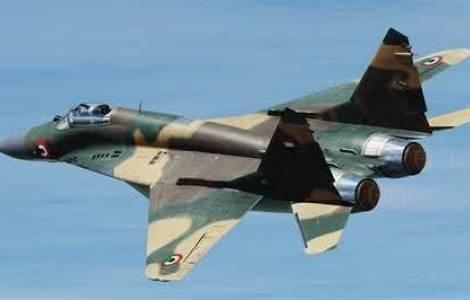
Agenzia Fides reported that the Sudanese Air Force resumed bombing of Kordofan using manned aircraft on April 22, with aircraft flying over Kordofan and bombing targets of the RSF near the town of Dilling in South Kordofan State.
The same article said the SAF had suspended air operations over Kordofan and Darfur after RSF air defenses shot down several fighters and transport aircraft, with the last of which was lost at Babanusa in western Kordofan.

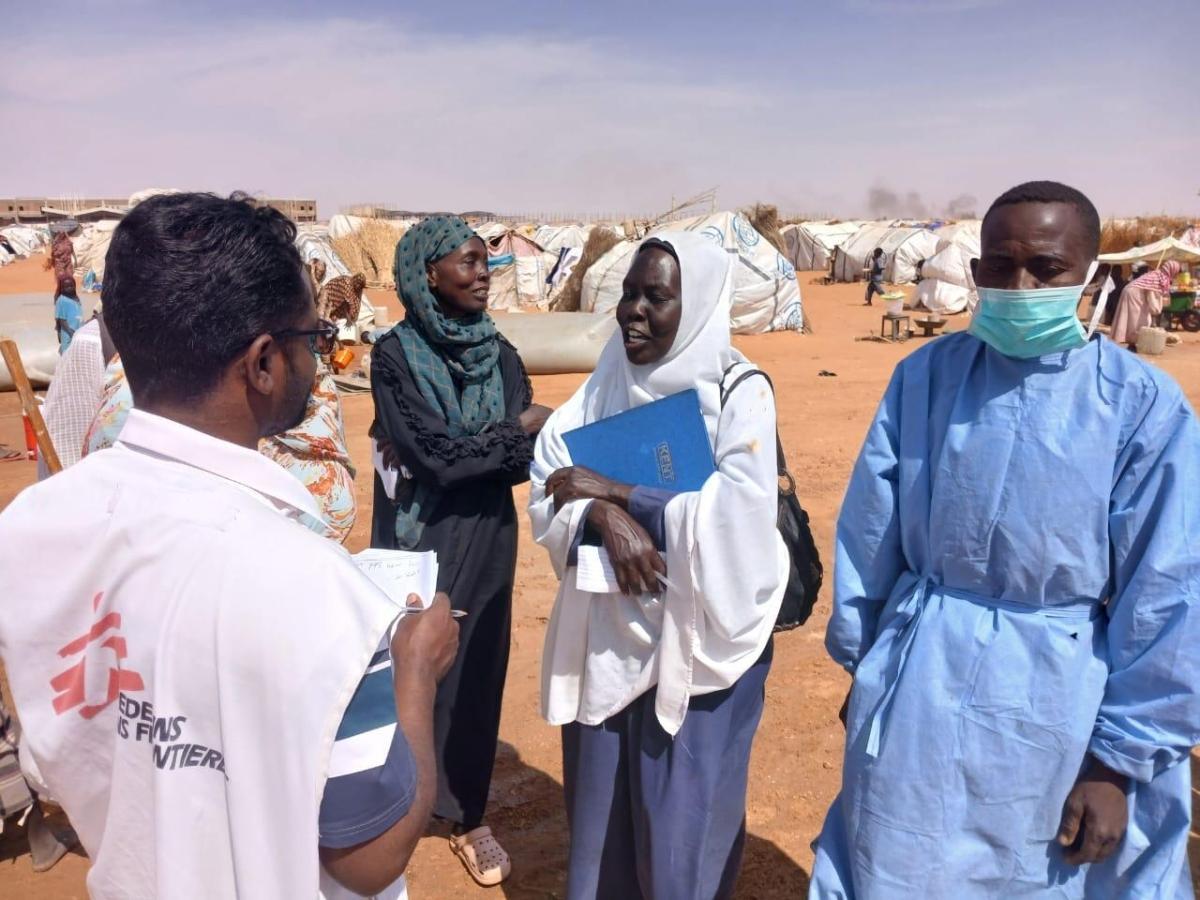
Médecins sans frontières said that after the RSF takeover of El Fasher on October 28, 2025, Kordofan states became new front lines, and it described El Obeid, capital of North Kordofan, as hosting displaced families fleeing violence with the front line less than 40 kilometers away.
MSF reported that Al-Mina Al-Muwahad, the main displacement site in El Obeid, was hosting about 25,000 people at the end of January 2026, and that 500 people share a single latrine sometimes.
In a separate report, Al-Jazeera Net said the city of El Obeid faces a sustained siege by the RSF, bombardment, and the prospect of a ground assault, warning it could become a new El Fasher, while Rosemary DiCarlo said the widening reach of the war poses a major threat to civilians and that "stopping the war is contingent on stopping it."
Humanitarian scale and politics
Anadolu Ajansı reported that the Sudanese army retook control of the Al-Silk area in Blue Nile State near the Ethiopian border from the RSF, saying the 4th Infantry Division's forces retook the area after a well-planned military operation that led to the rout of RSF militias.
“While United Nations warnings of grave risks to civilians in Sudan grow due to the potential escalation of fighting between the army and the Rapid Support Forces in North Kordofan state, each side continues to seek a military victory that analysts say will not be achieved, and whose halt is said to depend on stopping external support”
Anadolu said the clashes inflicted heavy human and material losses on the RSF and their ally, the Sudan Peoples Liberation Movement-North (SPLM-N), and noted that the rebel group did not immediately respond to the statement.
BBC reporting put the conflict’s human toll at about 150,000 lives lost and around 12 million displaced, and it said the RSF helped Burhan organize a coup in 2021 before turning on each other after General Dagalo resisted integration of the paramilitary force into the army.
Médecins sans frontières said that according to the International Organization for Migration, since the start of the conflict on April 15, 2023, more than 15 million people have been forced to leave their homes, including 11.5 million displaced within Sudan.
MSF said its first phase in El Obeid aimed to improve water supply and sanitation services at the city’s main displacement site, and it warned that limited drinking water—only three liters per person per day—"greatly increases the risk of outbreaks" while endangering children, pregnant women, and the elderly.
More on Sudan

UN Warns Rapid Support Forces Could Commit Mass Atrocities In El Obeid, Sudan
27 sources compared

Sudan Attorney General Intisar Ahmed Abdel Aal Tells UN Human Rights Council of 2,200 Rape Cases
10 sources compared

UN Report Says Rapid Support Forces Used Sexual Violence as Weapon of War in Sudan
29 sources compared

U.S. Warns RSF Buildup Near El Obeid Could Trigger Mass Atrocities
11 sources compared