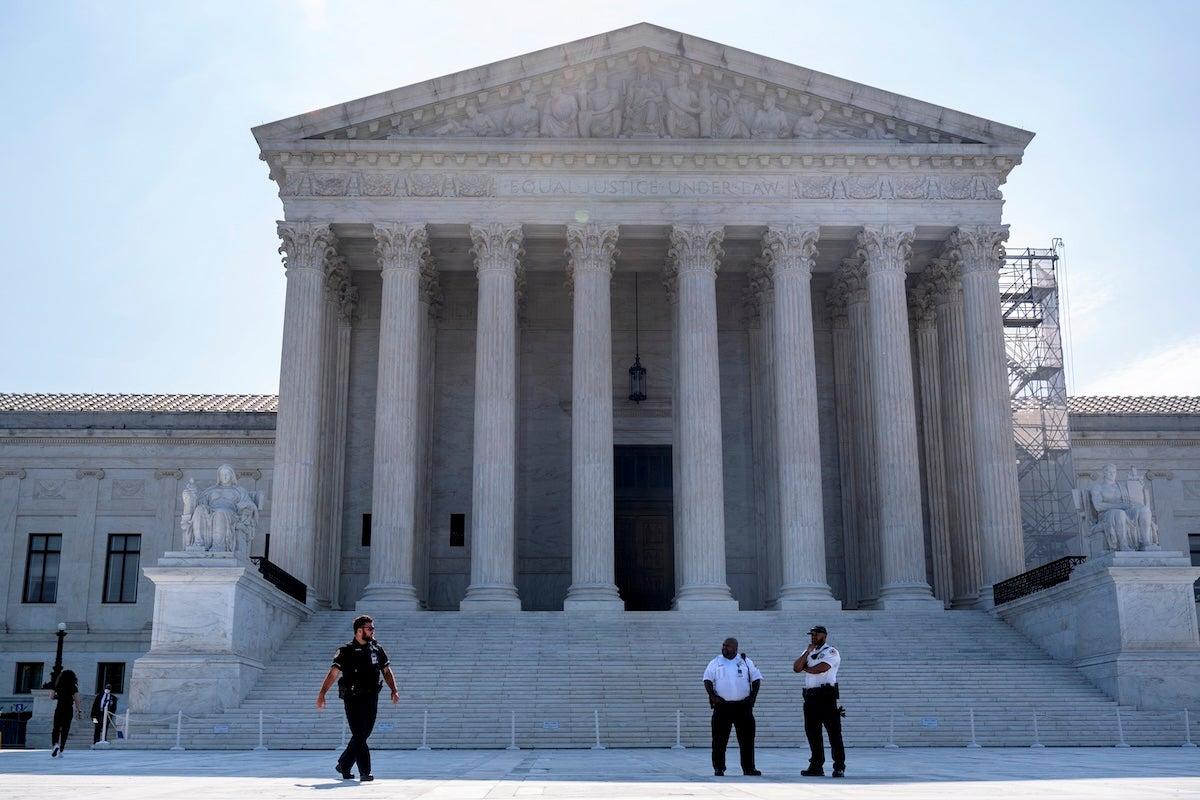
Supreme Court Wrestles with Trump's Bid to End Birthright Citizenship
Key Takeaways
- Trump personally attended the Supreme Court oral arguments, first-time for a sitting president.
- SCOTUS skeptical of plan; Chief Justice Roberts says it's the same Constitution.
- Lower courts had blocked Trump's birthright citizenship order; the case questions executive authority.
Historic Oral Arguments
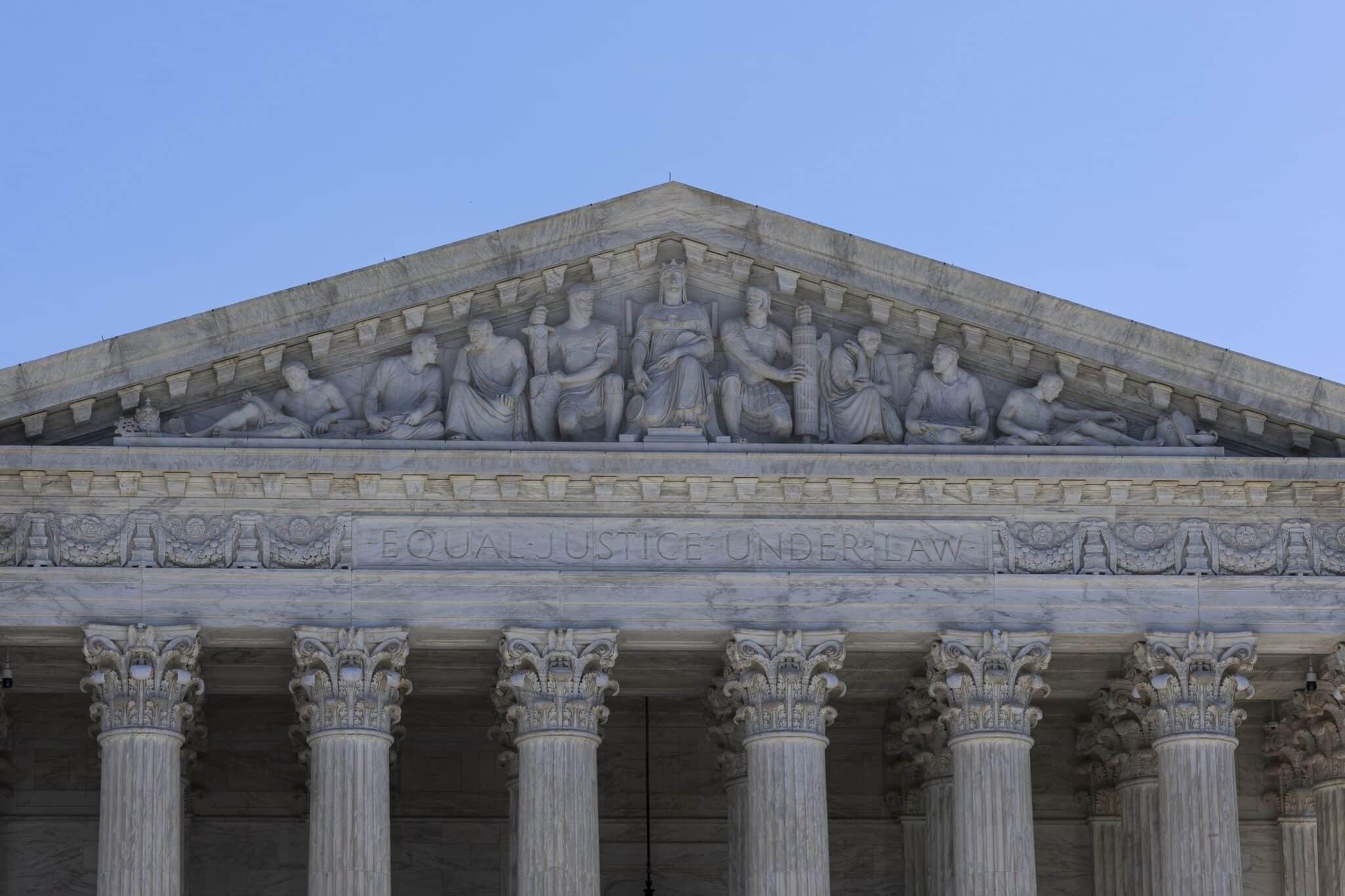
The Supreme Court held historic oral arguments to consider Trump's executive order to end birthright citizenship.
“The scene was unprecedented, almost unsettling in its institutional reach”
Trump attended, the first sitting president to do so.
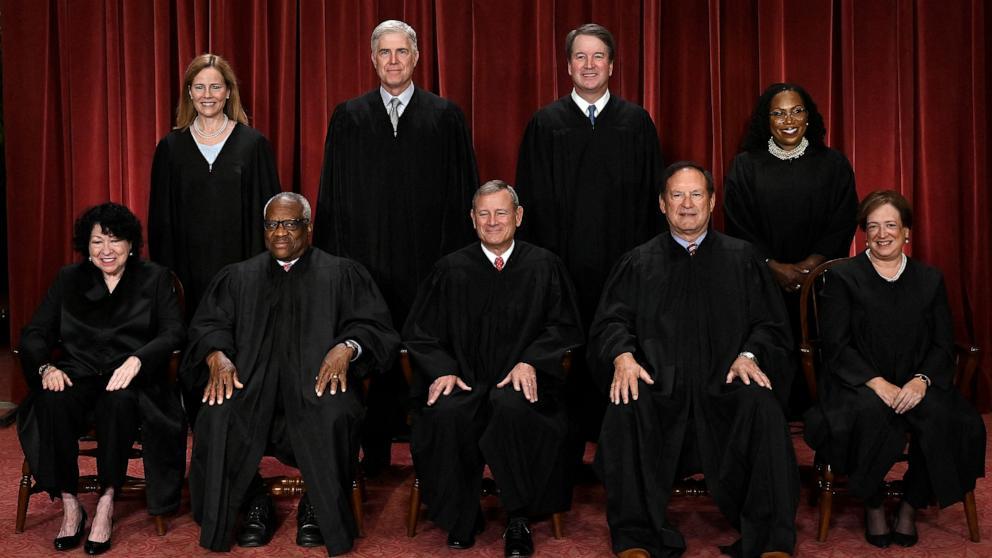
Chief Justice Roberts expressed skepticism, telling Sauer, "It's a new world. It's the same Constitution."
The court's decision could have enormous practical implications for millions.
Textualism and Exceptions
Justice Alito invoked an analogy from Scalia to emphasize textualism.
Alito acknowledged historical exceptions to the 14th Amendment.
Sauer leaned on the claim that birth tourism had become a major problem.
Skepticism Among Conservatives
Several judges, including conservatives, expressed skepticism toward the administration's attempt.
Roberts challenged Sauer on how common birth tourism actually is.
The Atlantic Council described the campaign as a major shift from degrading military capabilities to pursuing regime change.
Legal and Political Challenge
Trump's executive order was blocked by federal judges before reaching the Supreme Court.
The Constitution gives Congress the power to establish a uniform rule of naturalization, not the president.
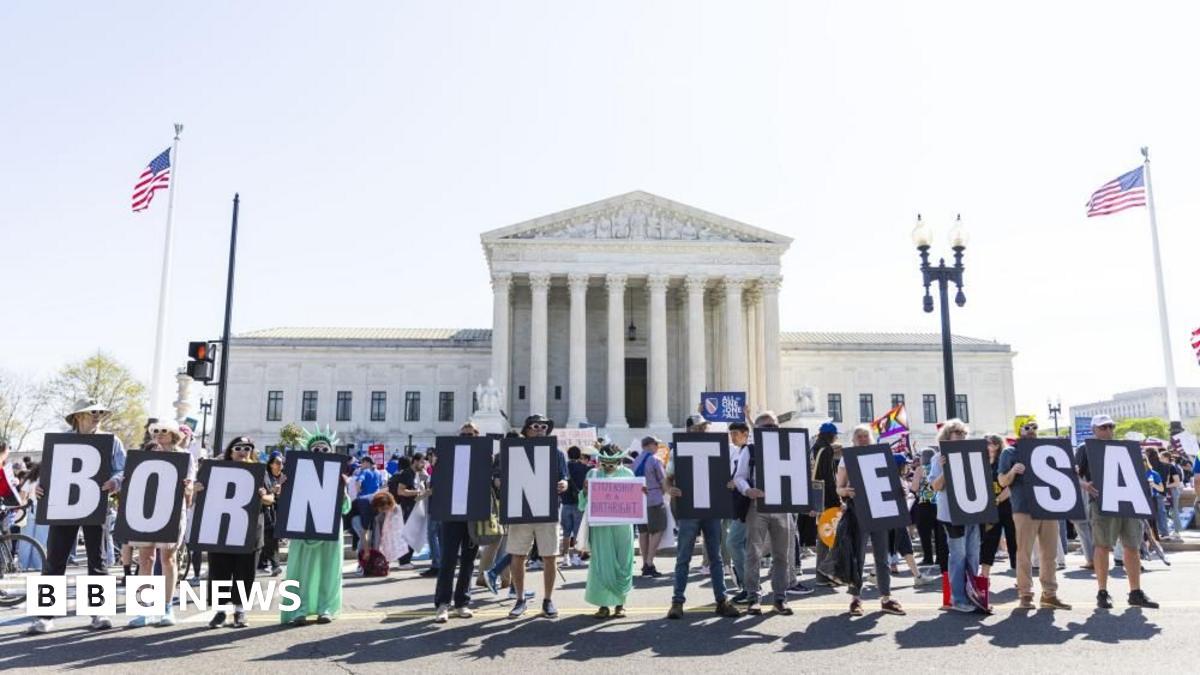
The challenge raises fundamental questions about separation of powers.
More on USA
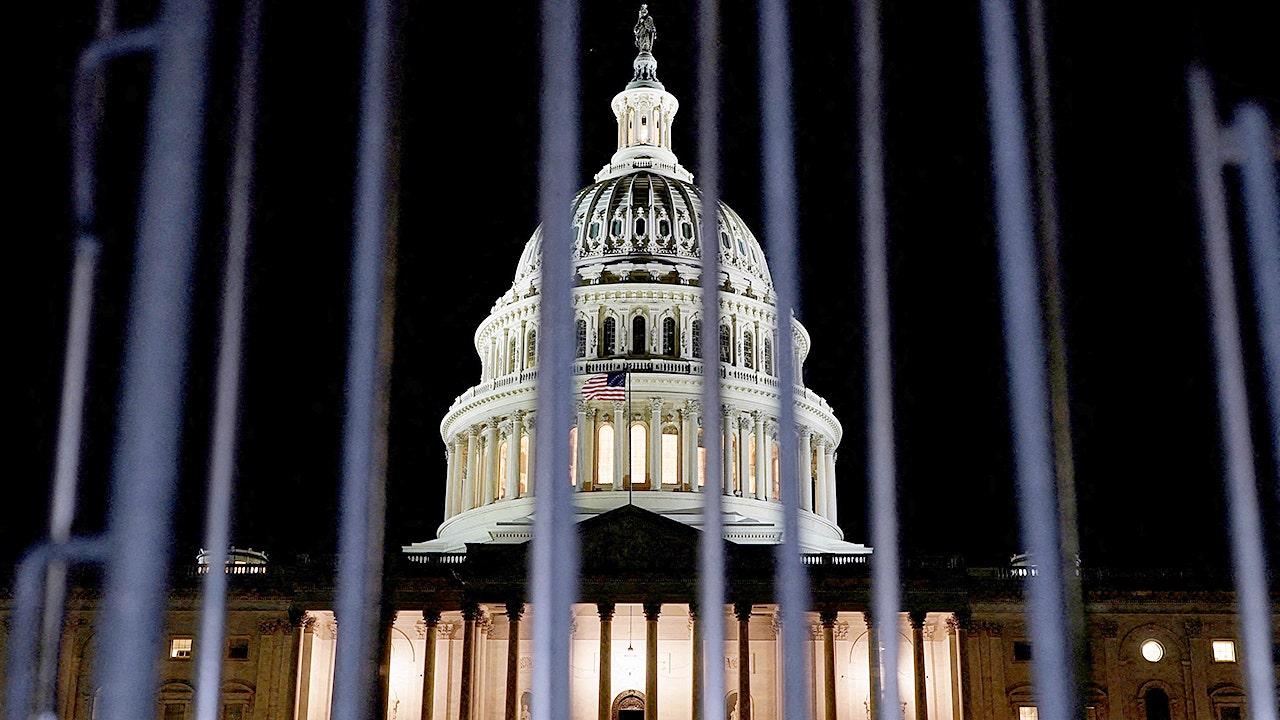
House and Senate GOP Agree on Two-Track DHS Funding Plan
16 sources compared
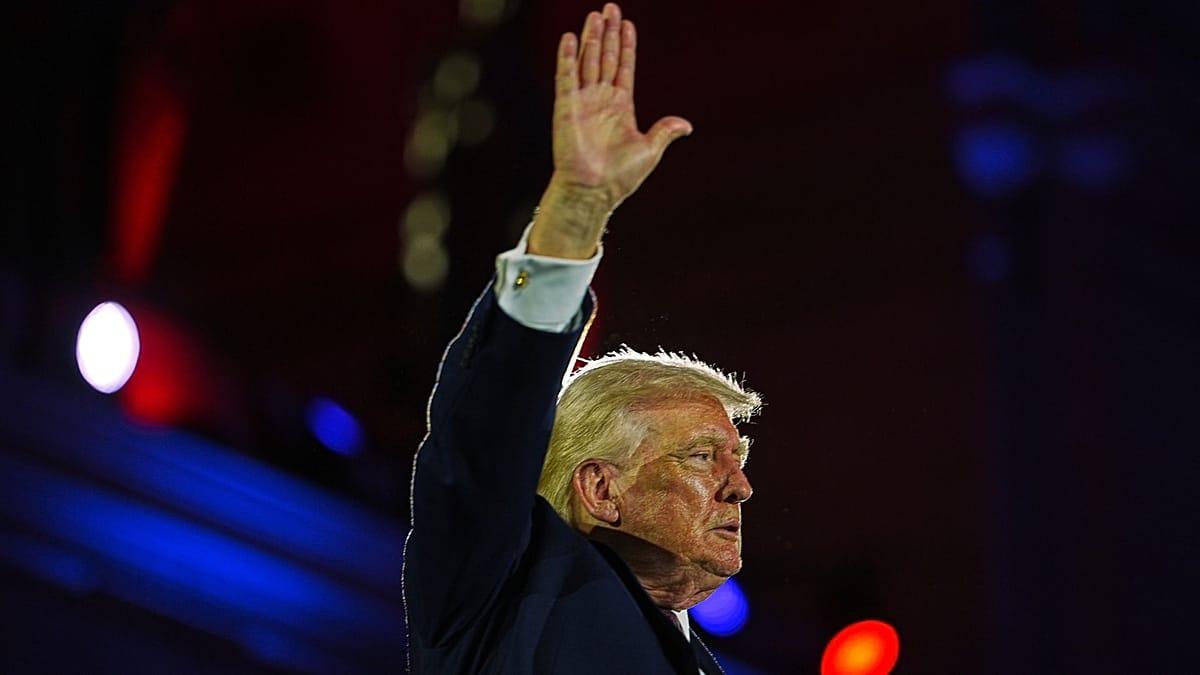
Trump Pushes Oil Exports, Demands Allies Reopen Hormuz
21 sources compared
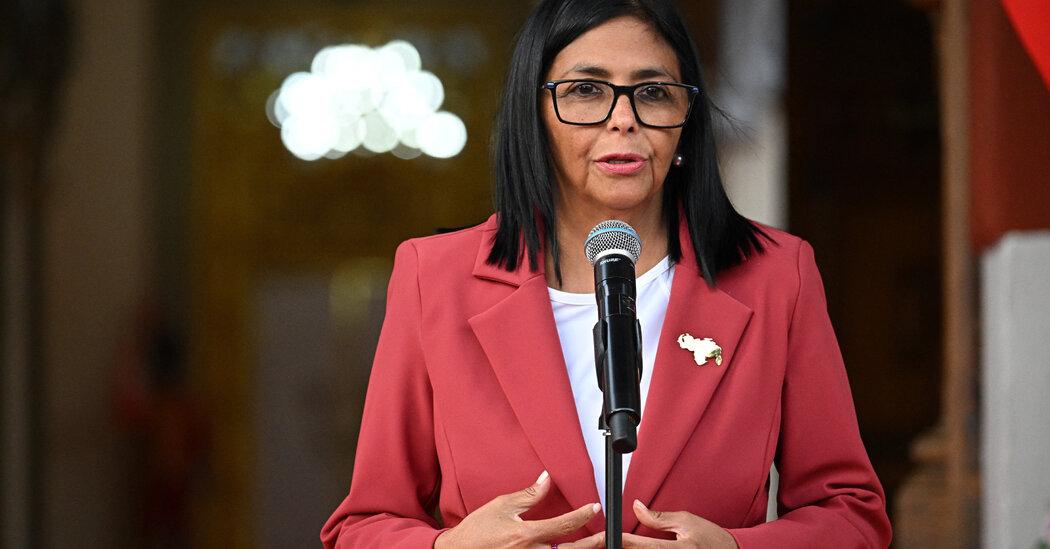
House and Senate GOP Leaders Unite To End DHS Shutdown with Two-Track Plan
15 sources compared
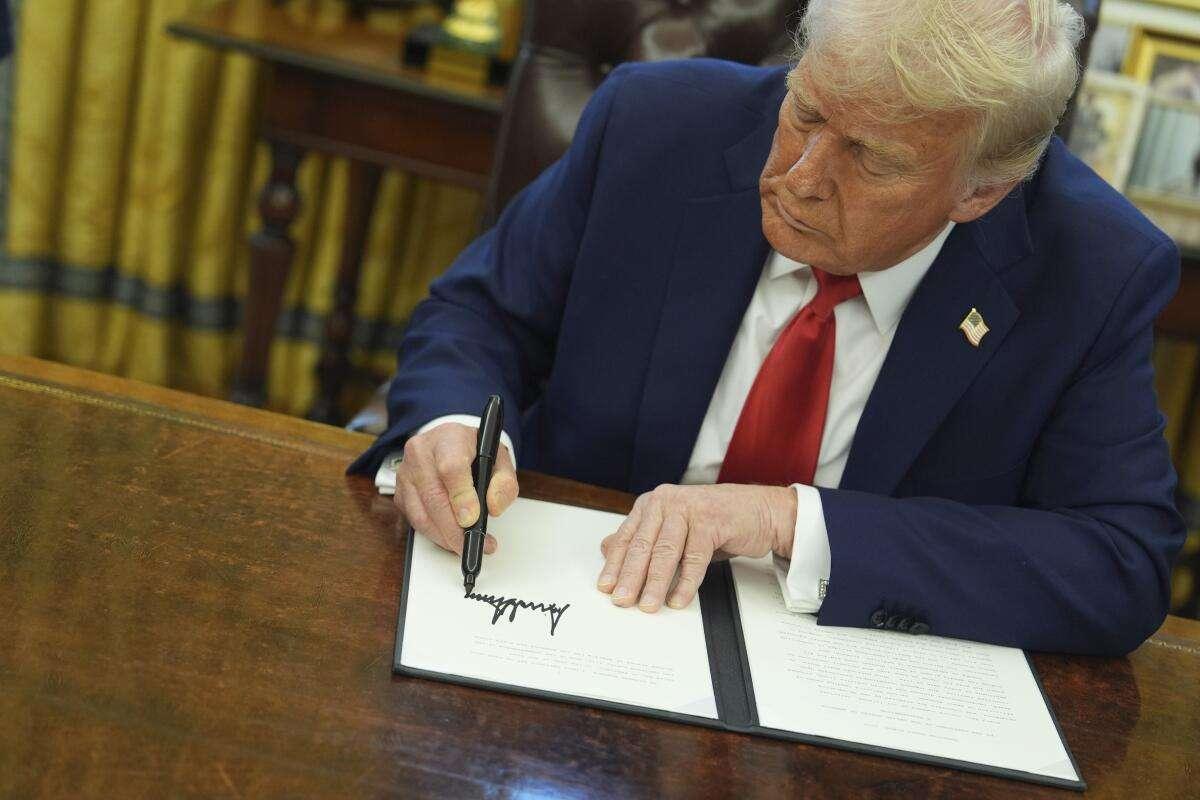
Trump Pushes Federal Control Over State-Run Elections
17 sources compared