Tajik Mohammad, 32, First Convicted Under Border Security Channel Crossing Offence
Key Takeaways
- Tajik Mohammad, 32, Afghan, first convicted under the new Channel crossing endangering offence.
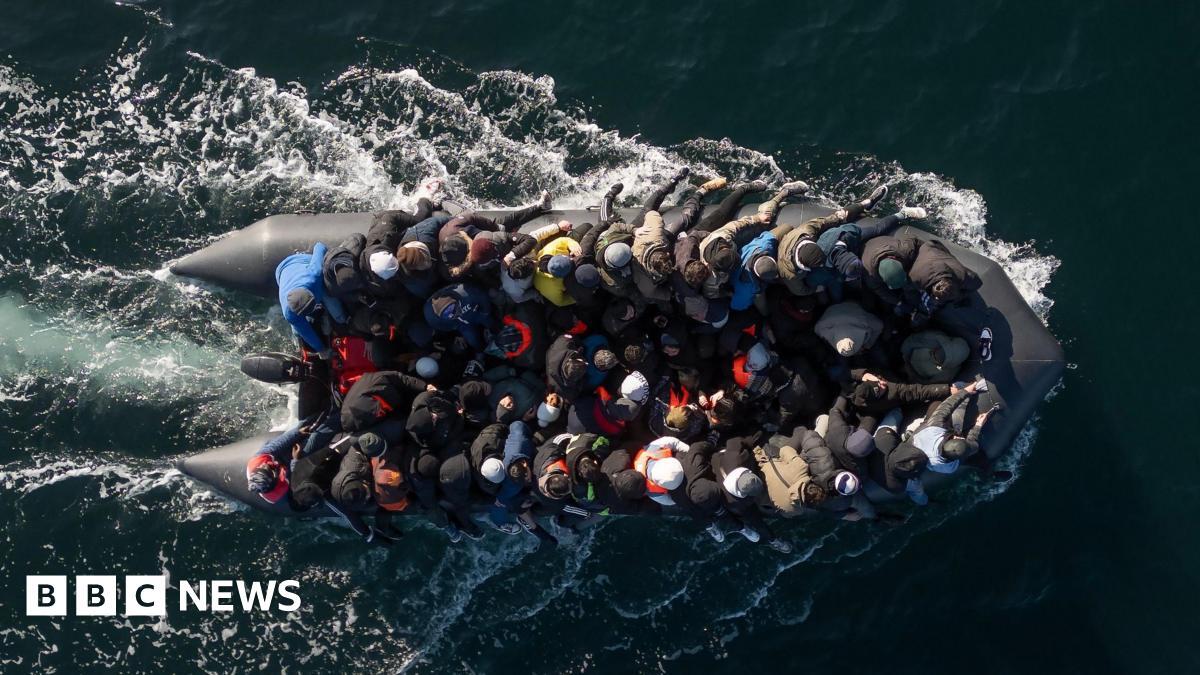
- He piloted an overcrowded dinghy across the English Channel in poor weather on January 17.
- Abandoned the dinghy as a rescue ship arrived; new crossing law was in effect.
First conviction under new law
Britain’s first conviction under a new offence targeting dangerous Channel crossings was secured against Tajik Mohammad, 32, after he piloted an overcrowded dinghy across the English Channel in poor weather conditions on 17 January.
“- Published An Afghan migrant has become the first person to be convicted of endangering others during a sea crossing to the UK”
The Crown Prosecution Service said Mohammad abandoned the dinghy and its passengers when a rescue ship arrived, and he reached the UK later the same day before being arrested.
He appeared at Canterbury Crown Court on Tuesday, pleaded guilty to breaking the new law, and will be sentenced on 10 June.
The BBC reported that some passengers were also not wearing life jackets during the attempted crossing, and it said the charge was designed to stop more people being crammed into unsafe boats.
The Independent similarly said the vessel was overcrowded and “some passengers lacking life jackets,” and it described the offence as part of new measures that “only came into force weeks prior” under the Border Security, Asylum and Immigration Act.
The Telegraph also tied the conviction to the same statutory change, saying the offence “only came into force weeks before under the Border Security, Asylum and Immigration Act,” and it described Mohammad pleading guilty at Canterbury Crown Court before being sentenced there on June 10.
Law, timeline, and penalties
The conviction sits within the Border Security, Asylum and Immigration Act framework, with the BBC saying the charge of endangering others during a sea crossing is to stop more people being crammed into unsafe boats and that it also applies to those involved in physical aggression and intimidation, as well as anyone who resists rescue.
The Independent described the offence as “part of new measures to curb Channel crossings” and said it “only came into force weeks prior” under the Act, while the Telegraph similarly said the offence came into force “weeks before” under the same legislation.

Under the new offence, the BBC reported that those who commit it could face up to five years in prison, or up to six years if they are in breach of a deportation order.
The Independent and the Telegraph repeated the same sentencing range, with the Independent stating: “Those who commit the offence could face up to five years in prison, or up to six years if they are in breach of a deportation order.”
The BBC added that a 16-year-old Afghan national was the first person charged with the offence in January, and it said the teenager “has denied endangering 46 people on January 5,” telling a court hearing he was “forced to do so.”
The Telegraph and GB News both described the same 16-year-old case, with GB News stating the teenager “has denied endangering 46 people on January 5” and quoting the same defence that he was “forced to do so.”
CPS rationale and Home Office framing
In court and in the prosecution’s public explanation, the CPS linked Mohammad’s actions to specific factors it said made the crossing dangerous.
“A migrant has become the first person convicted of endangering others during a sea crossing to the UK”
The Independent quoted senior CPS prosecutor James Fisher saying: “I’m pleased the CPS has secured the first conviction for endangering the lives of others during a Channel crossing since it became an offence in January.”
Fisher said the CPS would “carry on using new laws to prosecute individuals and gangs who undermine UK border security,” and he argued that “the Channel is one of the busiest shipping lanes in the world.”
The Independent also quoted Fisher’s reasoning that “we argued Tajik Mohammad abandoned the tiller on the arrival of the rescue ship,” and it listed “the boat being overcrowded,” “some passengers not wearing life jackets,” “the weather conditions that day,” and that “small boats are shoddily made.”
The Telegraph used the same Fisher quote and the same chain of reasoning, including that “That, along with the boat being overcrowded, some passengers not wearing life jackets, the weather conditions that day, and that small boats are shoddily made, meant he was endangering the lives of others, which he’s accepted.”
The BBC similarly described the legal purpose as preventing unsafe crossings, and it said Home Office sources recounted instances of “floating crime scenes” where people acted “in such a reckless way that those on board died in crushes and drownings.”
Related cases and Channel numbers
The reports place Mohammad’s conviction alongside other recent prosecutions under the same legal approach, including a case involving deaths during an attempted boarding.
The BBC said that earlier this month, another alleged dinghy pilot appeared in court over the deaths of four migrants, and it identified the defendant as Sudanese national Alnour Mohamed Ali, 27.
The BBC reported that Ali appeared before Folkestone Magistrates' Court charged with endangering life after two men and two women died trying to board a boat on April 9.
The Independent and the Telegraph also described the same April 9 case, stating that Alnour Mohamed Ali, 27, appeared before Folkestone Magistrates’ Court charged with endangering life after “two men and two women died trying to board a boat on April 9.”
The BBC then provided a broader migration figure, saying “Some 6,000 people have arrived in the UK after crossing the Channel by inflatable dinghy so far this year.”
The Independent and GB News both repeated the same “Some 6,000 people” figure, tying it to the continuing flow of Channel crossings by inflatable dinghy.
What happens next in court
With Mohammad’s guilty plea entered at Canterbury Crown Court, the next step in the process is sentencing on 10 June, as all four outlets emphasized.
“- Published An Afghan migrant has become the first person to be convicted of endangering others during a sea crossing to the UK”
The BBC said he “will be sentenced on 10 June,” and it described how he abandoned the dinghy when the rescue ship arrived and then was arrested after reaching the UK later the same day.
The Independent likewise said he pleaded guilty at Canterbury Crown Court on Tuesday and “will be sentenced there on June 10,” and it framed the conviction as the first under the new offence “since it became an offence in January.”
The Telegraph repeated the sentencing date and court, stating he “will be sentenced at the same court on June 10,” and it described the offence as part of measures introduced to curb Channel crossings.
GB News also said he “pleaded guilty and is due to be sentenced at Canterbury Crown Court on June 10,” while reiterating that the incident took place on January 17 and that the boat was overcrowded with some passengers not wearing life jackets.
The legal stakes remain tied to the maximum penalties described by the BBC and the Independent, including up to five years in prison or up to six years if in breach of a deportation order.
More on Britain

King Charles III Says Queen Elizabeth II Would Have Been Deeply Troubled By Today’s World
10 sources compared

Baroness Jacqui Smith Moves To Make Phone Bans Statutory In England Schools
10 sources compared

UK Police Arrest Two Over North London Synagogue Arson, Iran Links Under Investigation
43 sources compared

Iran-Linked Group Ashab Al-Yamin Claims Arson Attack on Kenton United Synagogue in London
20 sources compared