
Taliban Detain At Least 30 Women In Herat, Shooting Protesters In Injil District
Key Takeaways
- Taliban authorities detained at least 30 women in Herat in early June over dress-code violations.
- Detentions triggered rare protests in Herat, according to UNAMA.
- UNAMA documented the incident as part of the Taliban's dress-code enforcement.
Herat crackdown and protests
In early June, Taliban authorities detained at least 30 women in the western city of Herat over alleged violations of dress-code rules, according to the UN Assistance Mission in Afghanistan (UNAMA).
“Amnesty International urges the European Union (EU) institutions and member states to abandon Afghanistan deportation plans and end any readmission cooperation with Taliban de facto authorities”
The arrests triggered rare protests in Injil district, a predominantly Shiite area of Herat, and Taliban forces responded with violence by shooting at protesters, according to UNAMA and human rights groups.
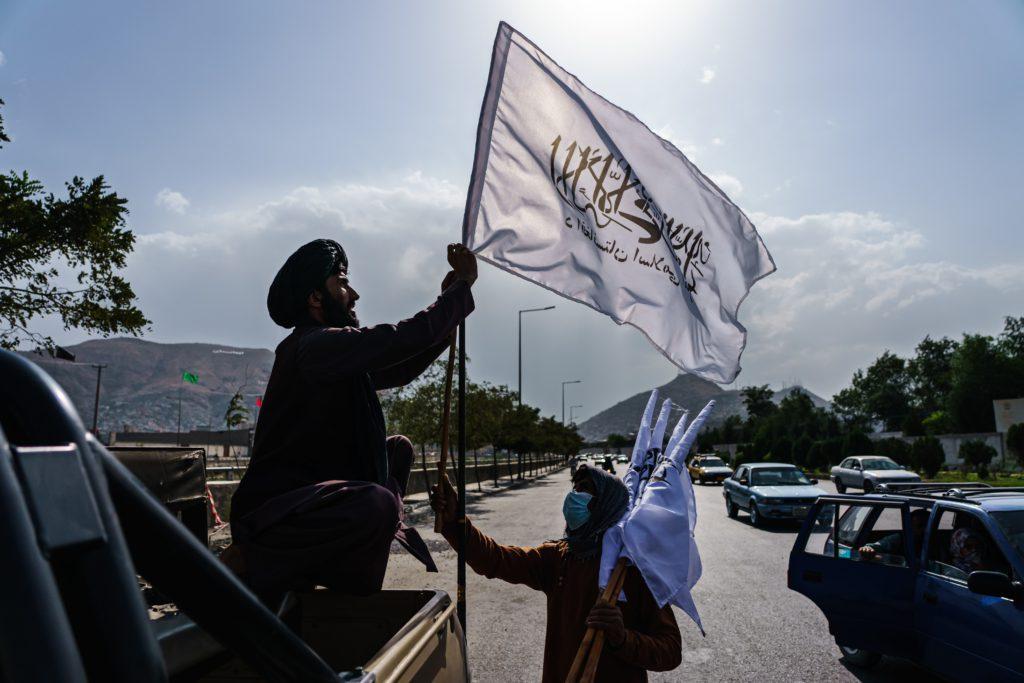
DW reported that at least two people were killed, including a child, and more than 20 others were injured during the crackdown.
DW also quoted a member of the Afghan Women's Movement Network saying, "Every woman arrested in Herat today is a symbol of the suffering of millions of Afghan women who live under the shadow of gender apartheid," and another member saying, "The Taliban are arresting women for the crime of choosing how to dress."
Smartphones and tightening control
DW said the crackdown in Herat coincided with an order for Taliban officials and government employees to stop using smartphones, with videos circulating online showing Taliban members destroying their phones in compliance with the order.
DW described smartphones as one of the few remaining tools people can use to document abuses, share videos of protests, and send evidence to media and rights groups outside the country.
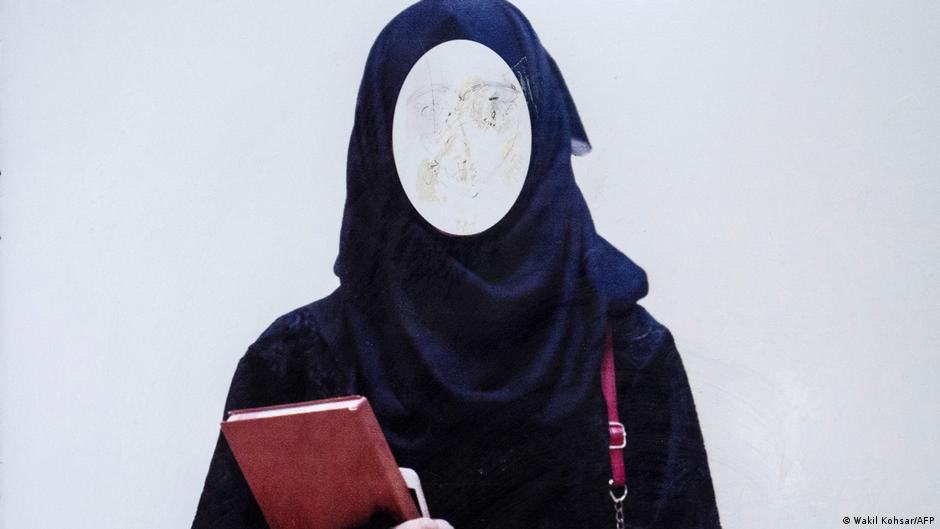
DW quoted religious scholar Mohammad Osman Tariq saying the Taliban are tightening control because they view protests and even women going out as "a threat to their rule and existence," and he added that they are strictly avoiding it.
In the same DW report, Tariq said, "It is natural that the Taliban fear for the continuation of their rule," linking the clampdown to a broader anxiety about the regime’s durability.
EU deportation plans face pushback
Amnesty International urged the European Union (EU) to abandon Afghanistan deportation plans and stop readmission talks with Taliban de facto authorities, warning that Afghanistan cannot be considered safe for returns.
“Since they returned to power in August 2021, the Taliban have consolidated territorial and administrative control of Afghanistan, with little sign of significant military challenges”
Amnesty said the European Commission recently invited Taliban authorities to Brussels to discuss the deportation of Afghan nationals, and it argued that this approach will put the lives of returnees at risk.
Amnesty International Director of the European Institutions Office Eve Geddie said, "The desperate scenes of people – including EU staff – fleeing Afghanistan are a recent memory," and she called it "unconscionable" that the EU would try to deport people to Afghanistan.
Amnesty also warned that "Any EU engagement on deportations to Afghanistan is reckless, dangerous and ignores the EU’s own legal obligations," citing risks including persecution, enforced disappearance, arbitrary detention, torture and other ill-treatment, and reprisals under Taliban rule.
More on Asia

Seoul Court Sentences Yoon Suk Yeol to 30 Years for Drone Infiltrations Into North Korea
11 sources compared

Utsunomiya Captures Wild Black Bear After Four Days, Closing 94 Public Schools
13 sources compared

7.8 Quake Kills At Least 35 In Southern Philippines, Triggers 1-Meter Tsunami
28 sources compared

Iranian Drones Damage Kuwait International Airport Terminal, Killing 1 and Wounding Dozens
20 sources compared