USA25 March, 20264 min read
Taylor Leads Maria Lazar in Wisconsin Supreme Court Race, Poll Finds
This article is an automated aggregation of coverage from news outlets. Our editorials offer in-depth analysis curated by the NewsCord team.
Taylor leads Lazar in Wisconsin Supreme Court race. Majority of voters remain undecided two weeks before the election.
Race Overview
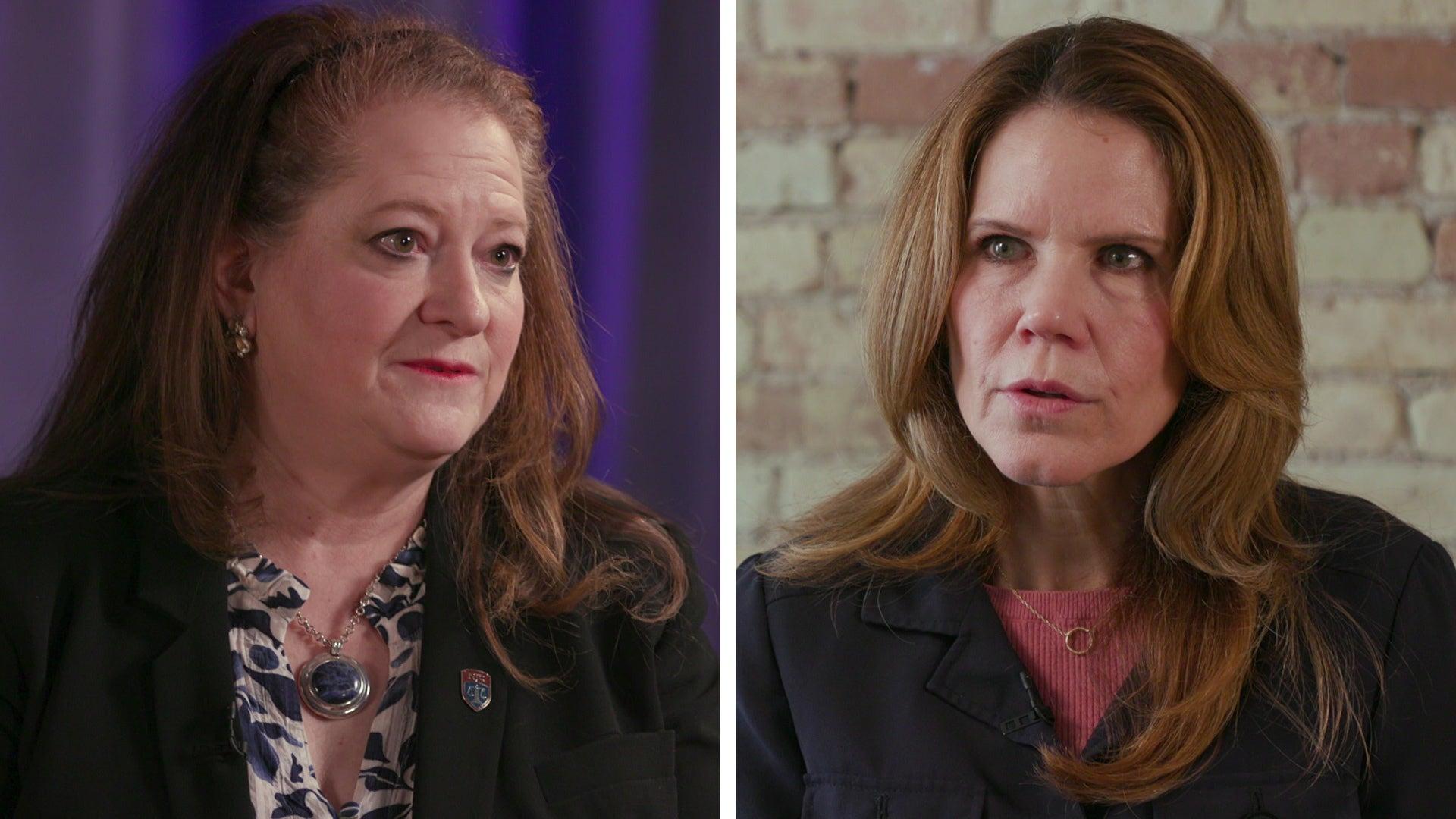
Chris Taylor maintains a lead over Maria Lazar in the Wisconsin Supreme Court race, with a Marquette Law School poll showing Taylor at 23% support compared to Lazar's 17%, though a significant majority of voters remain undecided. Both candidates are currently judges on the state Court of Appeals, with Chris Taylor backed by Democrats and Maria Lazar supported by Republicans. The poll conducted March 11-18, 2026 found that 53% of registered Wisconsin voters remain undecided in the SCOWIS race, with the April 7 election quickly approaching.
“Both candidates are currently judges on the state Court of Appeals. Chris Taylor is backed by Democrats, while Maria Lazar has the support of Republicans.”
Among likely voters, those who say they are certain to vote in April, 30% support Taylor and 22% favor Lazar, with 46% undecided, suggesting Taylor's lead narrows when considering only committed voters. Unlike Wisconsin's last two Supreme Court elections, ideological control of the court isn't up for grabs, though many voters remain unaware of this fact.

Voter Engagement
Democratic voters show significantly higher engagement and enthusiasm for the Supreme Court election compared to their Republican counterparts, creating a potential turnout advantage for Taylor. Across three metrics, the Marquette poll found Democrats are notably more excited about voting in the Supreme Court election. Among respondents identifying themselves as Democrats, 77 percent said they're certain to vote on April 7, while among Republicans, that was 59 percent, which represents a slight decline from February.
Democrats also express greater enthusiasm, with 51 percent of Democrats being very enthusiastic about voting in April, compared to just 32 percent of Republicans. The survey also showed 65 percent of Democrats said the election outcome is very important, while 46 percent of Republicans said the same. With two weeks to go before the election, citizens may yet become mobilized to vote, but in this survey's measure, Democrats have the advantage across multiple engagement metrics.

Candidate Awareness
Despite the approaching election date, a substantial portion of Wisconsin voters remain unfamiliar with both Supreme Court candidates, indicating limited public awareness of the race. Registered voters have become somewhat more familiar with both candidates since October, though more than 60% continue to say they haven't heard enough to have a favorable or unfavorable opinion of each candidate. Similarly, the number of those saying they have a clear idea of what each candidate stands for has increased since October, but a large percentage remain either unclear or haven't heard enough.
“Registered voters have become somewhat more familiar with both candidates since October, though more than 60% continue to say they haven't heard enough to have a favorable or unfavorable opinion of each candidate.”
There has been an increase in the percentage who say they have heard or read a lot about the Supreme Court race since February, though it still falls far short of attention to the state Supreme Court race in 2025. In March, only 12% have heard a lot, up from 6% in February, while in February 2025, 39% had heard a lot about that race. Those who have heard nothing at all has declined from 38% in February to 31% in March, suggesting awareness is gradually increasing but remains low overall.
Court Balance Misconceptions
A majority of Wisconsin voters hold incorrect beliefs about how the upcoming Supreme Court election will affect the court's ideological composition, potentially driving unnecessary partisan mobilization.
A substantial majority (75%) of registered voters incorrectly believe that this election can tip the ideological balance on the Court, despite the fact that liberals currently hold a 4-3 majority on the court and the outcome will either maintain this margin or expand it to 5-2 in favor of liberals.
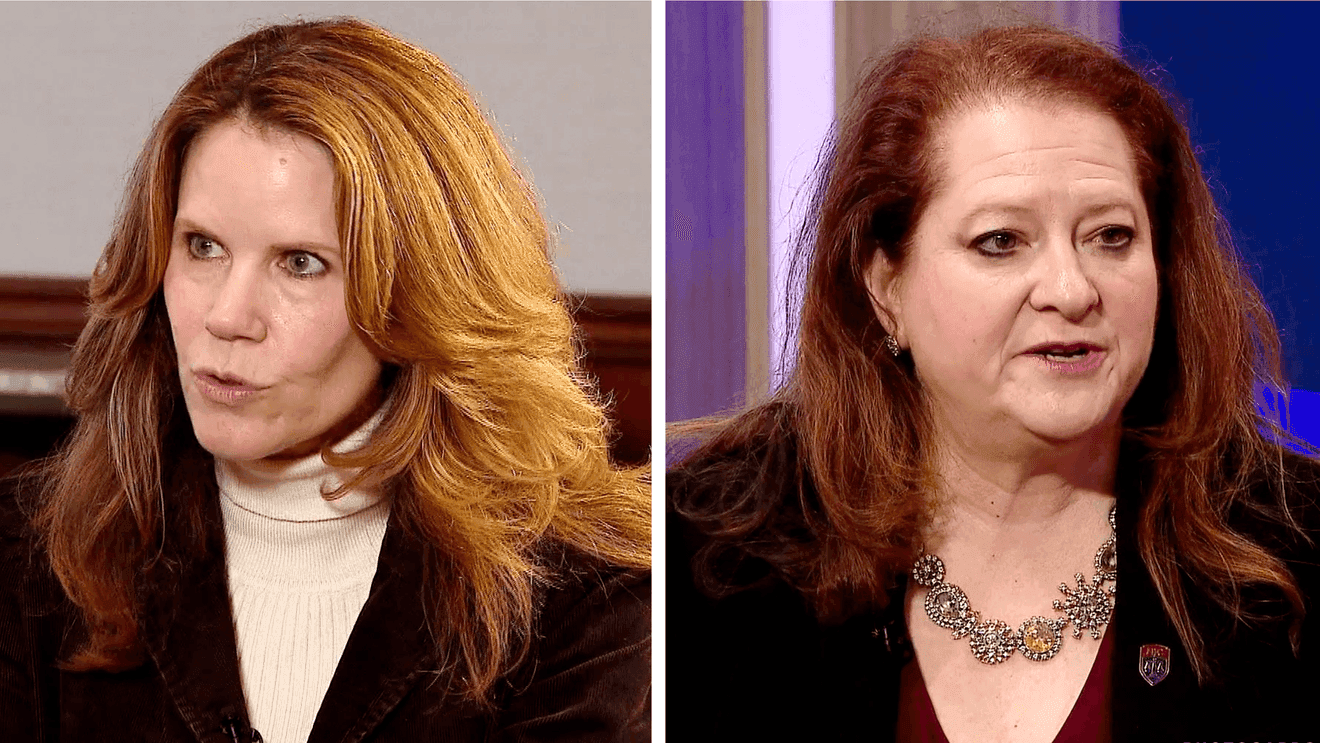
If Lazar wins, that margin will remain the same. If Taylor wins, it will grow to 5-2, meaning the court's liberal majority cannot be flipped in this election.
The confusion stems from comparing this year's race to 2025, when in the 2025 court election, the ideological balance could have tipped depending on the outcome.
In 2025, a retiring liberal justice on the 4-3 court meant that the ideological balance on the Court could have flipped had the conservative candidate won, creating a misunderstanding among voters about the current situation.
Partisan Dynamics
The Wisconsin Supreme Court race exhibits clear partisan alignment, with Democrats overwhelmingly supporting Taylor and Republicans favoring Lazar, while independents show mixed attitudes toward the contest. Republicans heavily prefer Lazar and Democrats heavily prefer Taylor, a pattern confirmed by polling data. Among registered voters, more Republicans remain undecided than Democrats, and independents lean to Taylor, though a sizable group of independents say they won't vote in the Supreme Court election.
“Republicans heavily prefer Lazar and Democrats heavily prefer Taylor.”
The poll data reveals stark partisan divisions, with Republicans and Democrats being more strongly aligned with each candidate among likely voters than among all registered voters, suggesting that as election day approaches, undecided voters may break along partisan lines. Democratic voters far more excited to vote on April 7 than Republicans, which could translate to higher turnout among Taylor's base compared to Lazar's supporters, potentially influencing the final outcome despite Lazar's strong support among committed Republican voters.