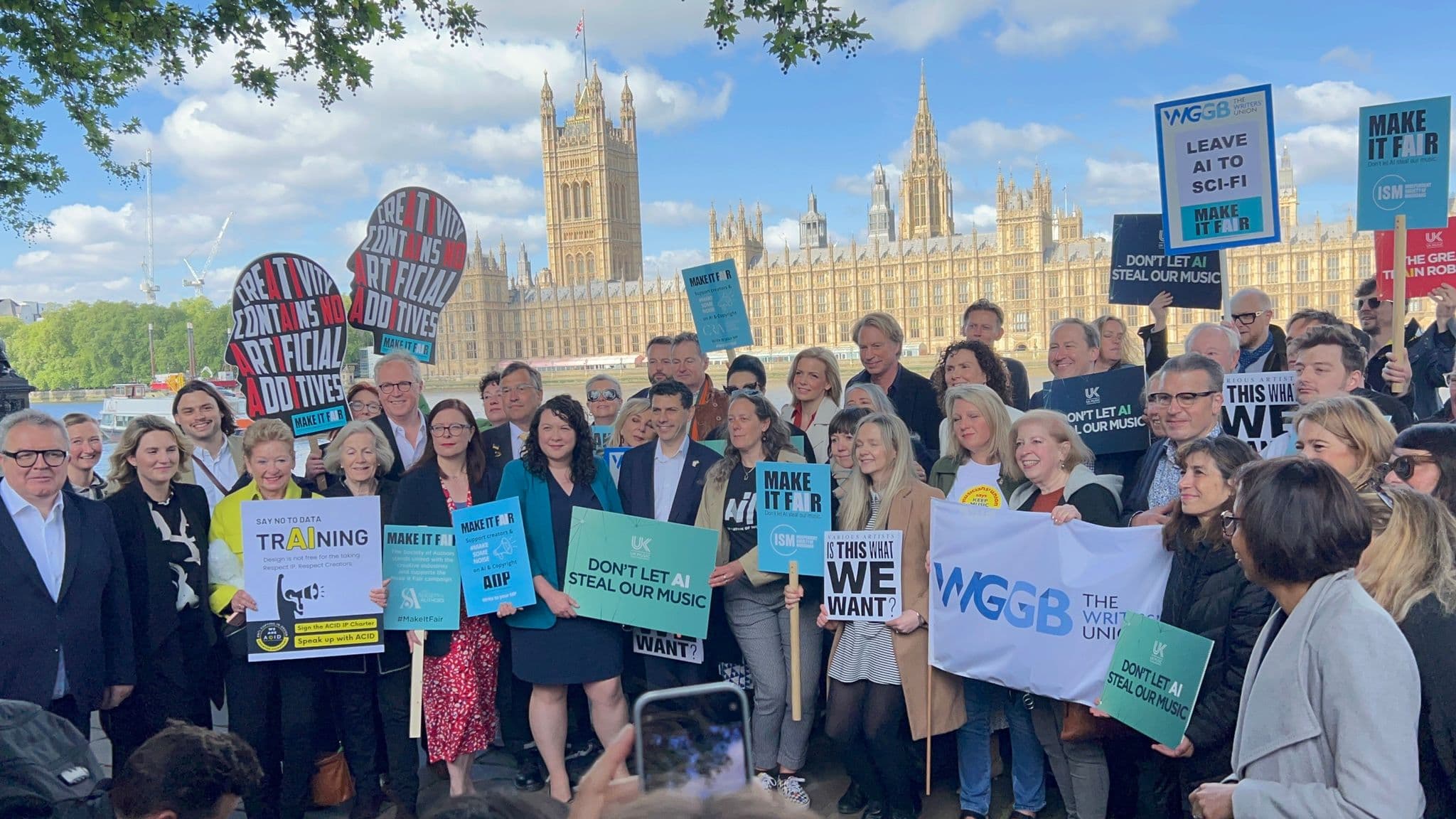
Technology Secretary Liz Kendall Ditches UK AI Copyright Plan After Outcry
Key Takeaways
- UK government backtracked on AI training using copyrighted works with opt-out.
- Pressure from Elton John and Dua Lipa prompted the reversal.
- Original policy allowed AI training on copyrighted works with an opt-out.
Policy Reversal
The UK government has reversed its controversial AI copyright policy following intense pressure from the creative industries.
“The UK government has backtracked on its position on copyright and AI, stating it must take time to "get this right"”
Technology Secretary Liz Kendall announced that the government would no longer pursue its original approach that would have allowed AI companies to train models using copyrighted works with an opt-out system.
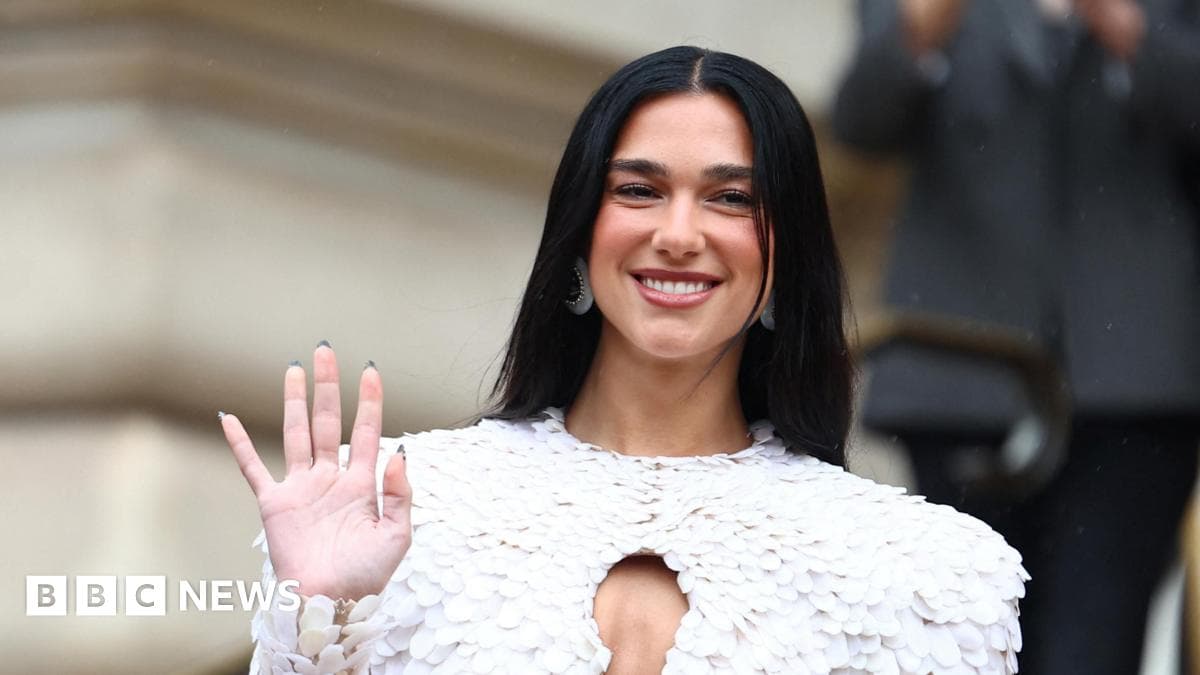
This reversal came after weeks of mounting criticism from high-profile figures including Sir Elton John and Dua Lipa, who had strongly opposed the proposal.
Kendall stated that the government had 'listened' to the outcry and would not reform copyright laws until it is confident it can meet the objectives of both UK citizens and the wider economy.
The government admitted there is currently 'no consensus' on how to balance the needs of the creative sector with the rapidly growing AI industry.
Creative Sector Response
The creative industries welcomed the government's reversal as a major victory, with Tom Kiehl, chief executive of UK Music, hailing it as protecting the 220,000 people working in the sector which generates £8bn for the UK economy.
Sir Elton John had previously described the prospect of AI firms using copyrighted material without permission as 'theft on a high scale,' reflecting the creative community's strong opposition to the original proposal.
Mandy Hill, president of the Publishers Association, emphasized that existing law is clear: 'Copyright material cannot be used for AI development and training without permission.'
The creative sector's unified opposition from musicians, publishers, and other artists demonstrated their determination to protect their work from being exploited by AI companies without proper compensation or consent.
Tech Industry Concerns
While the creative sector celebrated, tech industry representatives expressed disappointment and concern about the delay in establishing clear guidelines for AI development.
“The UK government has backtracked on its position on copyright and AI, stating it must take time to "get this right"”
Anthony Walker, deputy chief executive of Tech UK, warned that 'international competitors are moving ahead' and the UK cannot afford to leave the issue unresolved.
Vinous Ali of the Startup Coalition noted the need for a 'workable solution' to allow British AI startups to compete globally, highlighting the tension between protecting existing intellectual property rights and fostering innovation.
The tech sector faces the challenge of operating in a legal vacuum where the status quo remains unclear, potentially putting UK AI companies at a disadvantage compared to international peers who may have more permissive regulatory environments.
Economic Context
The UK AI industry is experiencing explosive growth, reportedly expanding 23 times faster than the rest of the economy, which adds urgency to the copyright debate.
This rapid growth creates a pressing need for regulatory clarity that can both protect human creators and enable technological advancement.
The government's decision to abandon its preferred approach reflects the complexity of balancing these competing interests.
Kendall stated that the government now has 'no preferred option' and intends to continue extensive engagement with both sectors to find a framework that addresses the concerns of artists while allowing AI innovation to flourish.
The challenge lies in crafting legislation that acknowledges the economic importance of both the creative industries and the AI sector, which represents a significant growth opportunity for the UK economy.
Broader Implications
The copyright debate reflects broader tensions in the digital economy between established intellectual property rights and emerging technologies that can leverage existing content in novel ways.
“The UK government has backtracked on its position on copyright and AI, stating it must take time to "get this right"”
The UK government's retreat from its original proposal suggests a cautious approach, prioritizing existing protections over enabling potentially transformative uses of copyrighted material.
This stance contrasts with more permissive approaches taken by some other jurisdictions, potentially creating challenges for UK AI companies seeking to train models on diverse datasets.
The unresolved status leaves UK AI development in a state of uncertainty, where companies must navigate complex legal questions about what constitutes fair use of copyrighted material for training purposes.
The government's commitment to further consultation indicates recognition of the need for nuanced legislation that addresses the unique challenges posed by AI development while respecting the rights of content creators.
More on Britain

DOJ Releases First Known Photo Showing Andrew Mountbatten-Windsor and Peter Mandelson With Jeffrey Epstein
17 sources compared
Starmer appoints Peter Mandelson as U.S. ambassador despite warnings over Epstein ties
15 sources compared

Home Secretary Shabana Mahmood Bans Al-Quds Pro-Palestine March in London
17 sources compared

Fire Destroys Victorian Building Beside Glasgow Central, Forces Closure of Scotland's Main Rail Hub
28 sources compared