Finance19 May, 20263 min read
Tehran Rent Prices Rise 31% Year-On-Year After April 20 Contract Resets
This article is an automated aggregation of coverage from news outlets. Our editorials offer in-depth analysis curated by the NewsCord team.
Tehran rents rose significantly amid a stunted housing market. Inflation across sectors accompanies rent increases in Iran.
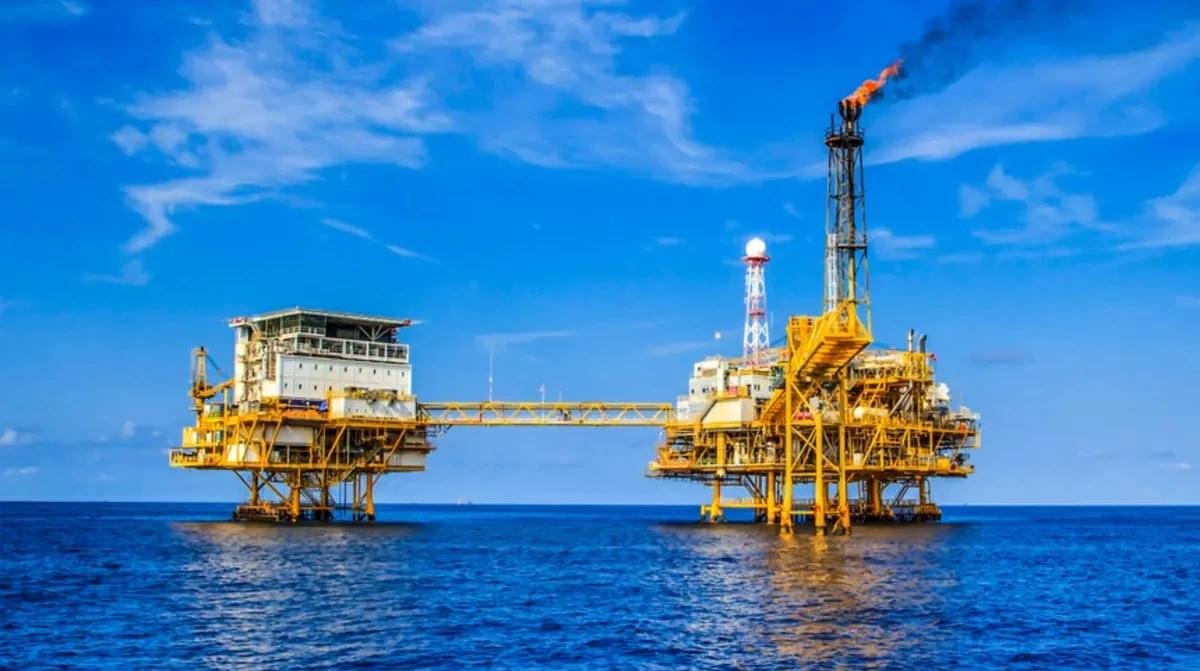
Tehran rents surge
In Tehran, Iran, Mohammad, a 29-year-old resident of western Tehran, renewed his tenancy contract earlier this week as his landlord raised the rent for the 20-year-old apartment to 230 million rials ($130) from 130 million rials ($73) while keeping the deposit at 5 billion rials ($2,800). Al Jazeera reported that rents rose 31 percent year-on-year in Farvardian, the first month in the Persian calendar, which ended on April 20, and that local media and realtor associations indicate prices in the capital are now 30 to 40 percent higher on average compared to last year.
The same Al Jazeera report said a real estate agent told it that fewer housing contracts are being signed due to uncertainty over the potential resumption of fighting, and that “I’ve had people looking for housemates to cut expenses in half, people going back to smaller cities or city suburbs, and people moving back into their parents’ homes,”. Al Jazeera also quoted the agent saying, “The prices are shifting lifestyles in the tenancy market,” as tenants respond to annual contract resets and a market where smaller and older apartments or southern Tehran alternatives can mean an extra hour commute daily.

Caps, loans, and anxiety
Al Jazeera said the Tehran Association of Realtors cited the Supreme National Security Council as decreeing that tenancy contracts expiring during the war may be automatically extended for up to two months, while authorities set a cap of 25 percent for annual rent increases. The report added that local media have reported the 25 percent figure “virtually acts as a floor, rather than a binding ceiling, for tenancy deals,” and that the government offers loans to help people pay the deposit for a rent contract.
Al Jazeera reported that those loans are up to 3.65 billion rials ($2,050) in Tehran and decrease to 2.8 billion rials ($1,582) for provincial capitals, 1.85 billion rials ($1,050) for other cities, and 750 million rials ($420) for villages. It also said targeted emergency housing was provided to those who lost their homes during the war, with affected households eligible for additional rental-deposit support, while Mohammad described living with anxiety about how worse price increases could become.

War-linked inflation pressures
Al Jazeera described a broader squeeze in Iran’s housing market, saying that even before the war rents were already coming off a very high base after years of unchecked price hikes, and that wages were not keeping pace with annual contract resets. The report said the fast-rising prices of construction materials squeezed builders, with some halting work to see if the war would end, and it linked the housing crisis to the strains of sanctions-hit conditions.
In a separate Al Jazeera Net field report, Rahman, 36, in Tehran, said the price per square meter of apartments had doubled in recent months and that “prices rose by more than 60% compared to the eve of the last Ramadan war.” That same report quoted Abd al-Jalal Iri, the spokesperson for the Reconstruction Committee in the Iranian Parliament, describing what is happening as “a state of chaos and laxity,” and said “the price jumps we see in reality do not relate to the war’s repercussions.”