
Tehran Submits Reply Making Ceasefire Conditional On Immediate Halt, Strait Of Hormuz Sovereignty, Reparations
Key Takeaways
- Iran submitted official reply to the U.S. 15-point ceasefire via intermediaries; awaiting response.
- Iran accuses Washington of deception, saying U.S. statements hinder ending the war.
- Iran's reply calls for halting aggression and creating conditions to end the war.
Iran submits 15-point reply
Tehran has formally submitted its official reply to the United States' 15-point ceasefire proposal through mediators, signaling a decisive turn from discreet diplomacy to a mediated, document-backed stance that foregrounds sovereignty and war reparations.
“(CNN) — Tasnim News Agency, Iran's semi-official news agency, said on Thursday, citing an unnamed source familiar with the situation, that Iran has 'complete doubts' about Washington's willingness to negotiate”
By moving the dialogue into a written reply, Iran positions hard terms as prerequisites for any ceasefire.
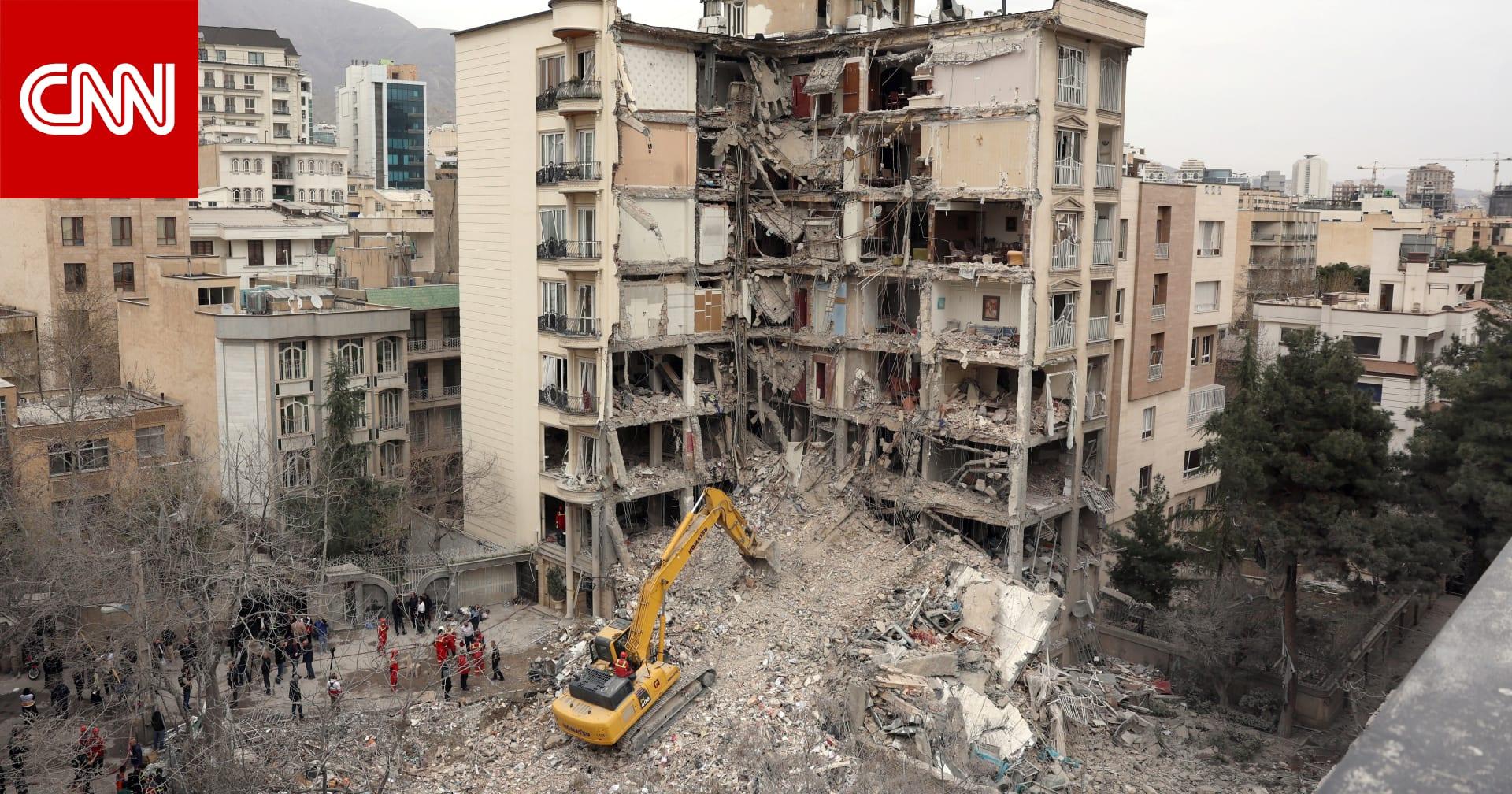
Iran's reply frames an immediate halt to aggression, a durable guarantee that the war will not recur, and compensation for war damages.
Iran also insists that sovereignty over the Strait of Hormuz is a natural and legitimate right and must be recognized in any agreement.
Several outlets frame the move as part of a broader Iranian skepticism about U.S. negotiations and describe the push as a 'deception operation' by Washington.
Demands in detail
The Iranian reply then details a concrete demands package that reframes the 15-point plan as a condition-set for any ceasefire.
It calls for an immediate cessation of 'hostile aggression and terrorist acts' and the creation of 'objective conditions' to prevent war recurrence, followed by guarantees for compensation for war damages and explicit definitions of those payments.
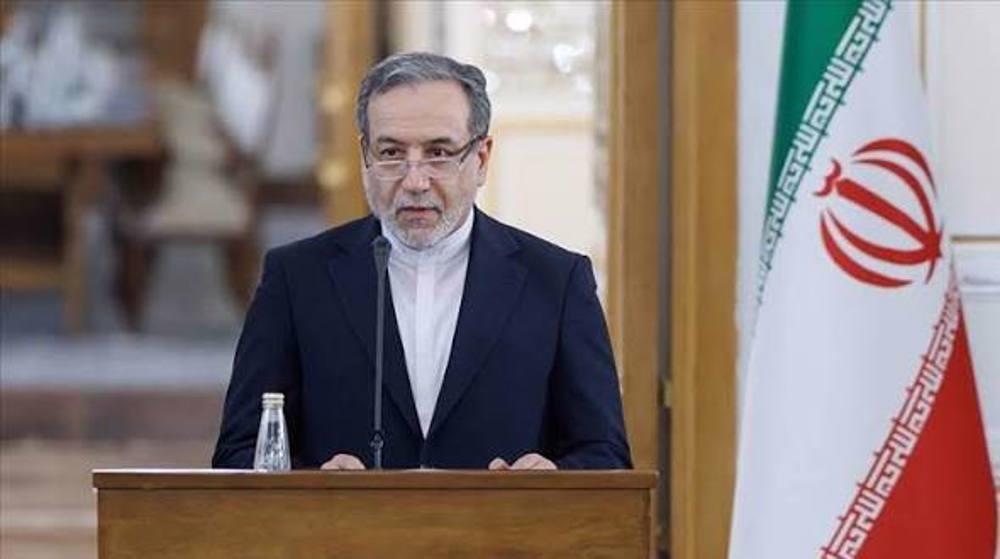
It also insists on ending the war on all fronts and across all factions involved in the region, including regional resistance groups.
The Iranian side notes that these requirements are not identical to those proposed during the Geneva talks and emphasizes that the Hormuz issue is a natural right that must be recognized, not negotiated away.
Analysts emphasize that these terms are designed to be non-negotiable preconditions, effectively turning a ceasefire into a package deal rather than a simple halt in fighting.
Hormuz sovereignty central
Iran's reply reiterates that sovereignty over the Hormuz Strait is a natural and legal right that must be recognized within any ceasefire framework.
“The Tasnim News Agency, citing a knowledgeable source, reported that Tehran sent its official reply last night via intermediaries to the United States' 15-point proposal for a ceasefire, and that it is awaiting the other side's response”
It argues that Hormuz commitments must be guaranteed and implemented, not left as a nominal concession.
Analysts highlight that Hormuz is treated as a core security and economic issue, not optional, in Tehran's terms.
This insistence situates the ceasefire in a broader maritime and strategic contest that extends beyond Gaza to the Hormuz axis.
Negotiations framed as deception
Tehran's stance is framed as skepticism about Washington's willingness to negotiate, with Tasnim and other outlets noting that the U.S. plan is seen as a 'third deception operation' aimed at projecting peace while pursuing other aims such as keeping oil prices low.
Tehran asserts that Washington is using negotiations as a cover to pursue a ground invasion in southern Iran and to maintain geopolitical leverage in West Asia.

Western and regional outlets alike note that the plan's visibility hides a broader strategic contest, with Tehran demanding concrete guarantees that would bind the U.S. side beyond generic assurances.
The discourse contrasts the claim of diplomacy with Tehran's insistence on non-negotiable red lines tied to sovereignty, regional actors, and reparations.
Regional implications and next steps
Region-wide implications loom as Tehran ties its ceasefire conditions to broader West Asian dynamics.
“An informed source told Tasnim News Agency that Iran officially sent last night its response to the American proposals consisting of 15 points, noting that Tehran is awaiting the other party's reply in this regard”
Several mediating powers—Pakistan, Turkey, and Egypt—remain central to the process, and Tehran signals that any ceasefire must acknowledge Lebanon’s inclusion and the roles of other regional fronts.
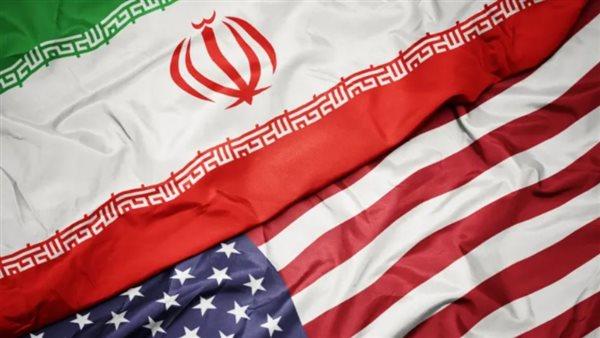
The demand for a comprehensive halt across fronts means any future agreement would need buy-in from numerous non-state and state actors beyond Gaza, including Lebanese and Iraqi elements.
The balance of leverage in these talks will hinge on whether Washington accepts Hormuz guarantees, accepts reparations, and maintains credible enforcement mechanisms beyond a symbolic ceasefire.
More on Iran

Iran Allows 20 Pakistani-Flagged Ships Through Strait Of Hormuz
14 sources compared
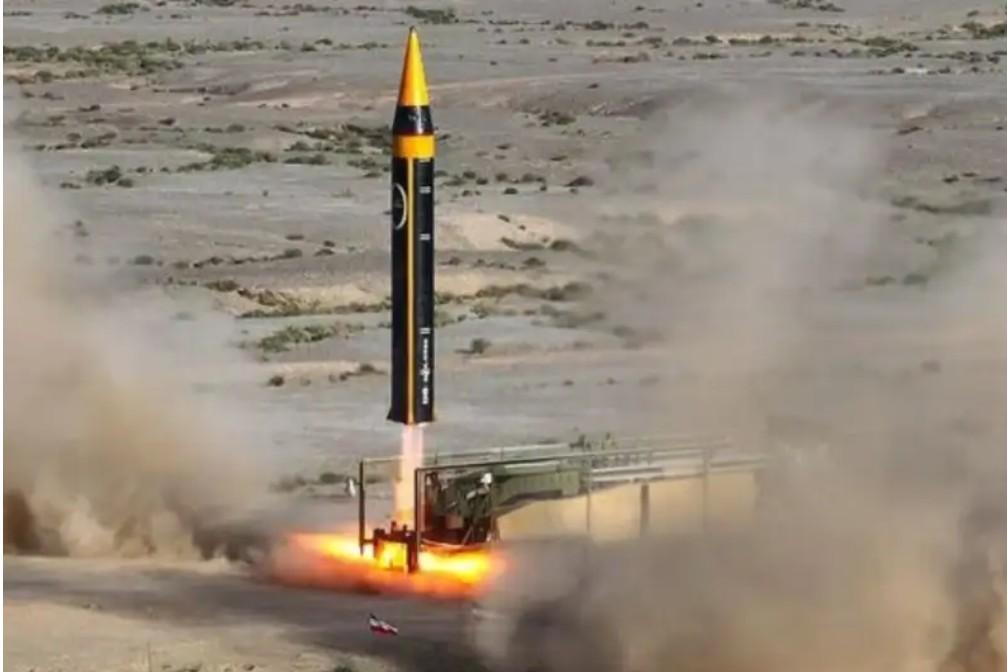
Houthis Formally Enter Iran-Israel War By Firing Missiles And Drones At Israel
16 sources compared

Houthis Launch First Missiles At Israel, Joining Iran War And Threatening Red Sea Routes
75 sources compared

Pentagon Plans Weeks-Long Ground Operations In Iran
21 sources compared