
Tennessee Bans Crypto ATMs And Kiosks From July 1 After Bill Lee Signs HB 2505
Key Takeaways
- Tennessee bans cryptocurrency ATMs and kiosks statewide, effective July 1.
- HB 2505 signed into law by Governor Bill Lee.
- Kiosk operators must remove equipment by July 1.
Tennessee’s July 1 ban
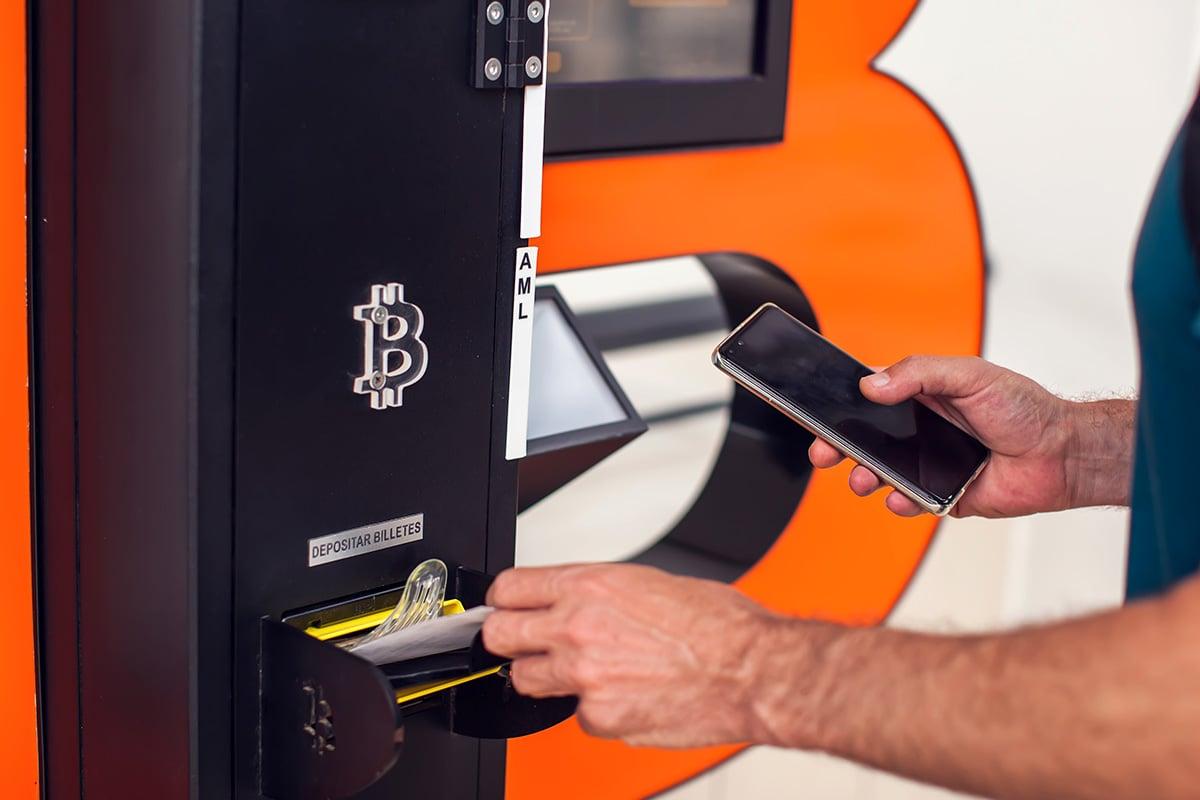
Tennessee is set to ban cryptocurrency ATMs and kiosks statewide beginning July 1, after Gov. Bill Lee signed House Bill 2505 into law.
“April 27, 2026 Tennessee Gov”
Multiple reports tie the effective date to the same legislative action, describing the measure as making the installation, operation, or hosting of virtual currency kiosks a criminal offense under state law.

Cointelegraph frames the change as a statewide action “set to go into effect July 1,” while CoinCentral says Tennessee will “ban cryptocurrency ATMs and kiosks statewide on July 1” after Lee signed HB 2505.
The law is described as treating violations as a Class A misdemeanor, with penalties that include up to 11 months and 29 days in jail and a fine of up to $2,500, according to CoinCentral and TradingView.
Cointelegraph and TradingView both cite CoinATMRadar data showing “more than 570 crypto kiosks and ATMs as of Monday,” and both name operators including Bitcoin Depot and CoinFlip.
Cointelegraph adds that it reached out to a Bitcoin Depot spokesperson for comment but “did not receive an immediate response,” and it reports that Bitcoin Depot’s Nasdaq-traded shares “closed down about 6.9% on Monday.”
The Record from Recorded Future News similarly places Tennessee as “the second state to ban cryptocurrency ATMs over scam concerns,” with Indiana outlawing the technology in March and Minnesota advancing a similar measure.
In parallel, ATM Marketplace says the bill was “codified on April 23rd and will be in effect on July 1st,” and it quotes the bill language that “A violation of subsection (a) is a Class A misdemeanor.”
Penalties and who is covered
The Tennessee ban is not limited to kiosk operators, according to CoinCentral, which says the measure “extends responsibility to property owners and businesses that host the machines.”
That framing is echoed by TradingView, which describes the law as leaving “only a matter of weeks for companies to be in compliance,” and by CoinCentral, which says enforcement will not be limited to kiosk operators.

CoinCentral reports that “violations will be treated as a Class A misdemeanor,” and it specifies that operators and businesses that allow crypto kiosks on their property could face “up to 11 months and 29 days in jail, along with a fine of up to $2,500.”
The same outlet says House Bill 2505 “prohibits the installation and operation of virtual currency kiosks across Tennessee,” and it adds that the bill “passed both chambers of the Tennessee legislature unanimously before receiving the governor’s signature.”
TradingView similarly states that the installation of a cryptocurrency kiosk becomes a Class A misdemeanor starting on July 1 and repeats the potential exposure of “up to 11 months and 29 days in prison and a $2,500 fine.”
Cointelegraph adds a compliance context by describing the law as “just one of many state-level actions in the US targeting crypto kiosks,” and it notes that a Massachusetts town banned the machines earlier this month and that Minnesota’s State Senate “recently advanced a bill that could ban crypto kiosks across the state.”
The Record from Recorded Future News adds that the ban will go into effect on July 1 and places it within a broader pattern of restrictions, noting Indiana’s March move and Minnesota’s pending action.
ATM Marketplace provides additional statutory detail by quoting the bill’s language that “It is an offense for a virtual currency kiosk operator or other person to knowingly install or allow installation of, permit, place or otherwise operate a virtual currency kiosk in this state.”
Fraud rationale and FBI figures
The ban is presented across the reports as a response to fraud involving crypto ATMs and kiosks, with repeated references to FBI complaint and loss figures.
“Tennessee to Ban Crypto ATM, Kiosk Installations From July 1 With Criminal Penalties Summary - Tennessee said it will begin enforcing a bill banning the installation of cryptocurrency ATMs and kiosks on July 1”
Cointelegraph says the Tennessee law is aimed at targeting crypto kiosks “in response to its residents being the victims of scams and other illegal activities,” and it quotes Tennessee House Speaker Cameron Sexton saying, “Virtual currency kiosks have become a gateway for scammers to exploit Tennesseans, especially our seniors, with little hope of recovering their money once it’s gone.”
CoinCentral similarly describes the measure as a response to fraud cases involving cryptocurrency ATMs, “particularly scams targeting older residents,” and it repeats the same core quote from Cameron Sexton about kiosks being a gateway for scammers.
Both Cointelegraph and CoinCentral cite the FBI’s annual internet crime complaint report released in April, saying it cited “more than 13,000 complaints related to crypto ATMs and kiosks last year” and “resulting in more than $389 million in losses.”
TradingView also repeats the FBI framing, stating that the FBI said cryptocurrency and AI-related scams were “among the costliest” for Americans in 2025 and that the report cited “more than 13,000 complaints related to crypto ATMs and kiosks last year, resulting in more than $389 million in losses.”
The Record from Recorded Future News adds a more specific breakdown, stating that “there were 13,460 complaints related to cryptocurrency ATMs in 2025 involving a combined $389 million in losses,” and it says “more than two-thirds of which were stolen from people over 60 years old.”
It also describes how scammers use fear and urgency, quoting Cumberland County Sheriff Casey Cox from a March hearing: “law enforcement across Tennessee… is increasingly encountering them in connection with fraud schemes that target our most vulnerable citizens.”
Cox’s remarks continue with a description of the scam workflow, including that “They use fear and urgency to convince these victims that they must immediately withdraw cash and deposit into these crypto ATM machines,” and that “Within seconds, that money is converted into Bitcoin and sent to the criminal digital wallet.”
Industry and compliance timeline
The reports describe a short runway between signing and enforcement, with multiple outlets emphasizing that operators and businesses must remove or stop kiosk access before July 1.
CoinCentral says Tennessee’s law gives operators and host businesses “only weeks to remove machines or stop offering kiosk access before enforcement begins,” and it characterizes the July 1 effective date as “mark[ing] a new phase for crypto ATM regulation in the state.”
Cointelegraph similarly notes that the law is “just one of many state-level actions” and highlights that Tennessee’s action is part of a broader wave, including Massachusetts and Minnesota.
The Record from Recorded Future News places Tennessee’s move in sequence, saying Indiana outlawed the technology in March and Minnesota’s similar measure is “awaiting a House vote.”
ATM Marketplace adds a codification detail, stating the bill was “codified on April 23rd” and that it “will be in effect on July 1st,” while Cointelegraph and CoinCentral both point to April 13 as the signing date for House Bill 2505.
CoinCentral says the bill was signed on April 13 and that it “places Tennessee among the small group of U.S. states that have adopted a full ban on crypto kiosks,” and it notes that the measure “passed both chambers… unanimously.”
TradingView repeats the signing date and describes the compliance window as “only a matter of weeks,” while also stating that the reclassification would potentially put operators and businesses hosting the machines at risk of “up to 11 months and 29 days in prison and a $2,500 fine.”
Cointelegraph adds a market reaction detail, reporting that Bitcoin Depot’s Nasdaq-traded shares “closed down about 6.9% on Monday,” and it says Cointelegraph reached out to a Bitcoin Depot spokesperson but “did not receive an immediate response.”
Broader state actions and legal challenges
Beyond Tennessee, the sources describe a patchwork of state actions and lawsuits aimed at crypto kiosk operators, with several reports tying Tennessee’s ban to earlier or parallel measures.
“Source: Tennessee General Assembly According to data from CoinATMRadar, there were more than 570 crypto kiosks and ATMs as of Monday, with operators including Bitcoin Depot and CoinFlip”
Cointelegraph says the Tennessee law is “just one of many state-level actions in the US targeting crypto kiosks,” noting that “A Massachusetts town banned the machines earlier this month” and that “Minnesota’s State Senate recently advanced a bill that could ban crypto kiosks across the state.”

CoinCentral similarly says Tennessee is “the second U.S. state to enact a full statewide ban on crypto ATMs, following Indiana,” and it contrasts the full ban with other states that have taken “narrower approaches, including licensing requirements, daily transaction caps, fraud warnings, waiting periods, and refund rules for certain scam victims.”
The Record from Recorded Future News adds that “Several recent investigations by the offices of state attorneys general have raised questions about the crypto kiosk industry,” and it cites a Massachusetts lawsuit filed in February by Massachusetts against Bitcoin Depot, saying the attorney general’s office contacted “hundreds of customers” and that “more than 80% had been the victims of scams.”
It also cites an Iowa lawsuit against Bitcoin Depot and CoinFlip for allegedly profiting from scams, and it says Washington, D.C. sued kiosk operator Athena in September, alleging that “93% of its transactions in the district were scam related.”
The Record’s hearing account also provides a specific example of the scam mechanics, quoting Cox that victims are instructed to “scan a QR code for quick access to the scammer accounts,” and that “Within seconds, that money is converted into Bitcoin and sent to the criminal digital wallet.”
In addition, CoinCentral reports that “AARP has tracked a rise in state legislation related to crypto kiosks, with dozens of bills introduced in 2026,” and it says “By this year, 20 states had passed laws addressing virtual currency kiosks in some form.”
TradingView and Cointelegraph both mention Minnesota and Massachusetts as part of the same broader trend, while CoinCentral adds that “Other states have taken narrower approaches” rather than full bans.
More on Crypto

Polish President Karol Nawrocki Vetoes Crypto Bill Again, Delaying MiCA Implementation
11 sources compared

SBI Shinsei Bank Launches Crypto Vouchers Worth 20% of Deposit Interest
14 sources compared

BBB Refers Kalshi To State Attorneys General After It Declines Advertising Inquiry
10 sources compared

Humanity Protocol Says Compromised Employee Laptop Enabled $36M Ethereum And BSC Bridge Attack
11 sources compared