The unlikely tool Trump is eyeing to tackle rising oil prices amid the Iran conflict
Government-backed tanker insurance
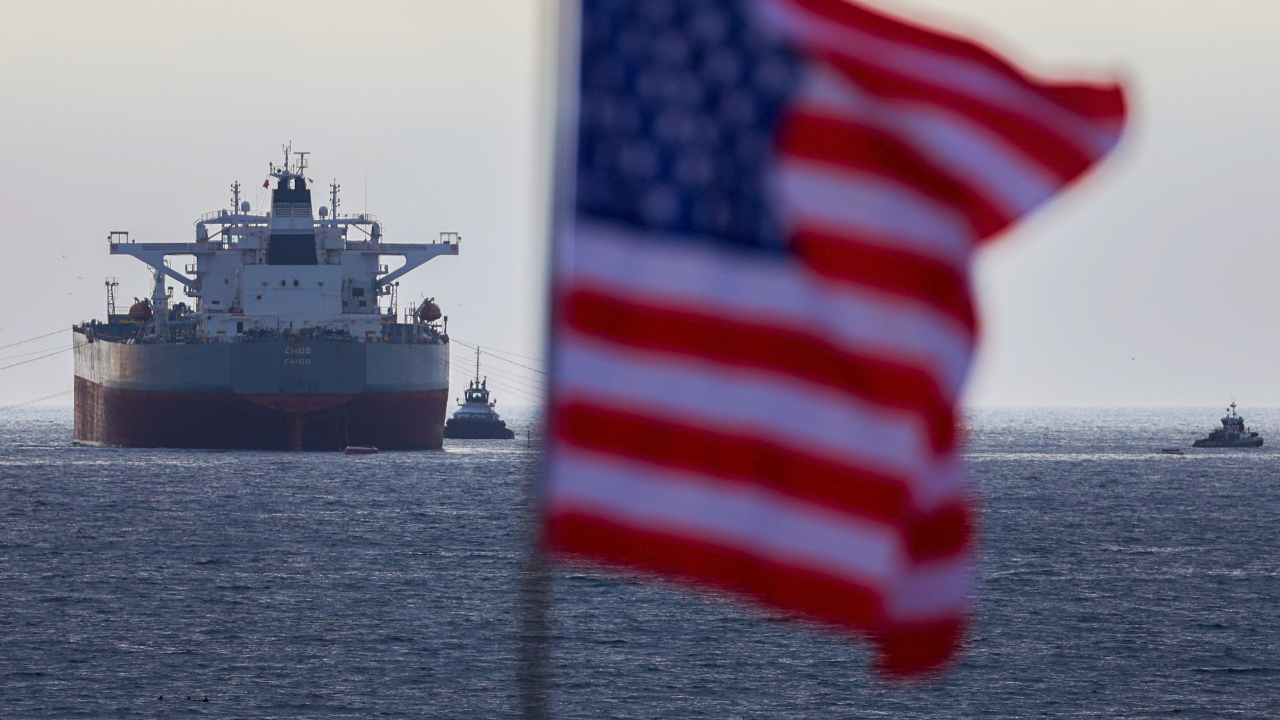
The White House is weighing using a government-backed insurance program to lower war-risk premiums for vessels transiting the Strait of Hormuz as the region’s conflict pushes gasoline prices higher.
“The new battleground in the Gulf isn’t just on the water — it’s in the insurance market, where war-risk coverage can determine which oil tankers sail and which stay put”
President Donald Trump said the U.S. could provide a backstop under which the government would absorb part of any major losses, easing pressure on private insurers and shipowners and encouraging tankers to continue sailing through the corridor.
The article frames the insurance market as a new battleground where coverage availability can determine which oil tankers sail and which stay put.
Strait of Hormuz risks
The Strait of Hormuz, a narrow passage between Iran and Oman, carries roughly 20 million barrels of oil a day and about one-fifth of global supply of liquefied natural gas, so even threats to transit can rattle markets.
The latest disruption, the article says, was sparked by U.S.-Israeli strikes starting on Feb. 27 and retaliatory Iranian drone and missile attacks across the region, forcing shippers and insurers to rethink safety.
Insurers charge more to cover ships and cargo, shippers add "war-risk" surcharges, and some vessels slow down, detour or pause.
Maritime insurers Gard, Skuld, NorthStandard, the London P&I Club and the American Club have canceled war-risk coverage for Iranian and nearby waters, while Lloyd's of London says coverage remains in place for vessels in the Gulf with a combined hull value exceeding $25 billion and that it is in talks with U.S. officials.
Hormuz shipping risks
Analysts quoted in the article emphasize that insurance is a baseline requirement.
“The new battleground in the Gulf isn’t just on the water — it’s in the insurance market, where war-risk coverage can determine which oil tankers sail and which stay put”
Matt Smith of Kpler said tankers cannot pass through the Strait without insurance given the high possibility of missile strikes, but that insurance does not eliminate the danger.
Major shippers are already reacting: Maersk said it will suspend all vessel crossings through the Strait of Hormuz until further notice and warned service to Arabian Gulf ports could be delayed.
The article warns that when big shippers pause, supply can tighten and crude prices can rise even if production is unchanged.
Any resulting increases could show up for Americans at the pump, and how much consumers feel depends on the duration of the disruption and whether shipping and insurance markets stabilize.
The piece concludes that the Strait will likely keep traders and drivers on edge until that happens.
Key Takeaways
- War-risk insurance determines which oil tankers sail through the Strait of Hormuz.
- The Iran conflict is driving gasoline prices higher.
- The White House is weighing measures to keep oil flowing and curb price increases.
More on Iran
NATO Shoots Down Second Iranian Ballistic Missile In Turkish Airspace
14 sources compared
Video Shows US Tomahawk Hit IRGC Base Beside Girls' School, Iran Says 168 Killed
11 sources compared

U.S. Missile Strike Massacres Iranian Girls' School in Minab, Investigators Say; Death Toll Disputed
11 sources compared

Iran's commanders and clergy rally behind Mojtaba Khamenei after Assembly approves him as supreme leader
13 sources compared