
‘They want to colonise us’: Brazil’s Lula warns of foreign interference
Key Takeaways
- Lula criticizes the return of a colonial approach toward developing nations at a Colombian summit.
- He did not name Trump but signaled US actions, including Maduro's January 3 abduction.
- The remarks frame foreign interference as a central concern for developing nations.
Lula on foreign interference
Brazilian President Luiz Inacio Lula da Silva criticised what he called the return of a colonial approach towards developing nations during a summit in Colombia.
“Brazilian President Luiz Inacio Lula da Silva has criticised what he called the return of a colonial approach towards developing nations during a summit in Colombia”
Although he did not name United States President Donald Trump, he referenced actions associated with his administration, including the January 3 abduction of Venezuelan leader Nicolas Maduro and the fuel blockade in Cuba.
He framed the actions as evidence that others plan to own and control other countries.
Lula questioned whether such moves were democratic, and emphasized that Brazil and other nations have already experienced being plundered for gold, silver, diamonds and minerals.
He warned that outsiders want to possess their critical minerals and rare earths, effectively signalling a new colonisation.
He concluded that those outside powers want to colonise them again.
Iran-Iraq war framing
The left-wing Brazilian president also criticised the ongoing conflict involving the US and Israel against Iran.
He drew a parallel between that conflict, which began on February 28, and the US-led invasion of Iraq in 2003, which was justified by the claim that Iraq possessed weapons of mass destruction.
Lula argued that Iran has been invaded under that pretext and questioned what happened to Saddam Hussein's supposed chemical weapons.
He asked where they are and who found them.
US intervention history and Maduro
Washington’s history of intervention in Latin America goes back more than 200 years to when then-President James Monroe claimed the hemisphere as part of the US sphere of influence.
“Brazilian President Luiz Inacio Lula da Silva has criticised what he called the return of a colonial approach towards developing nations during a summit in Colombia”
While large-scale, overt US involvement in the region mostly petered out after the Cold War, Trump has rekindled the legacy by launching boat strikes against alleged drug traffickers in the Caribbean, ordering a naval blockade on Venezuelan oil exports, and getting involved in electoral politics in Honduras and Argentina.
Trump imposed a 50 percent tariff on Brazilian goods last year, citing the trial against the country’s former president, Jair Bolsonaro, as a motive.
The US has also shown keen interest in Brazil’s rare earth deposits.
Then, on January 3, US forces abducted and imprisoned Venezuelan leader Nicolas Maduro, flying him to New York to face drug and weapons charges.
These actions have thrilled right-wing leaders across the continent, but have raised fears among left-wing politicians over what they see as US bullying.
We cannot allow anyone to interfere and violate the territorial integrity of each country, Lula said Saturday.
UN reform and summit attendance
Lula, who has said he will run for a fourth, nonconsecutive term in Brazil’s upcoming October elections, also criticised the United Nations for its inability to stop multiple conflicts around the world, including Gaza, Ukraine and Iran.
He called the UN Security Council reform essential, noting that it is mandated to ensure international peace and security but has failed because of the veto power of its five permanent members.
There have been decades of efforts to reform the Security Council, but they have all been unsuccessful.
Colombian President Gustavo Petro echoed Lula’s condemnation of the UN, saying it is acting in impotence and that this is not what it was created for.
Petro added that the UN's impotence persists even as humanity faces climate and other global problems.
The summit drew relatively few presidents and prime ministers from Latin America and the Caribbean, with attendees including the presidents of Brazil, Uruguay, Burundi and Colombia, as well as the prime ministers of Guyana and Saint Vincent and the Grenadines, along with deputy ministers, foreign ministers and ambassadors.
More on South America
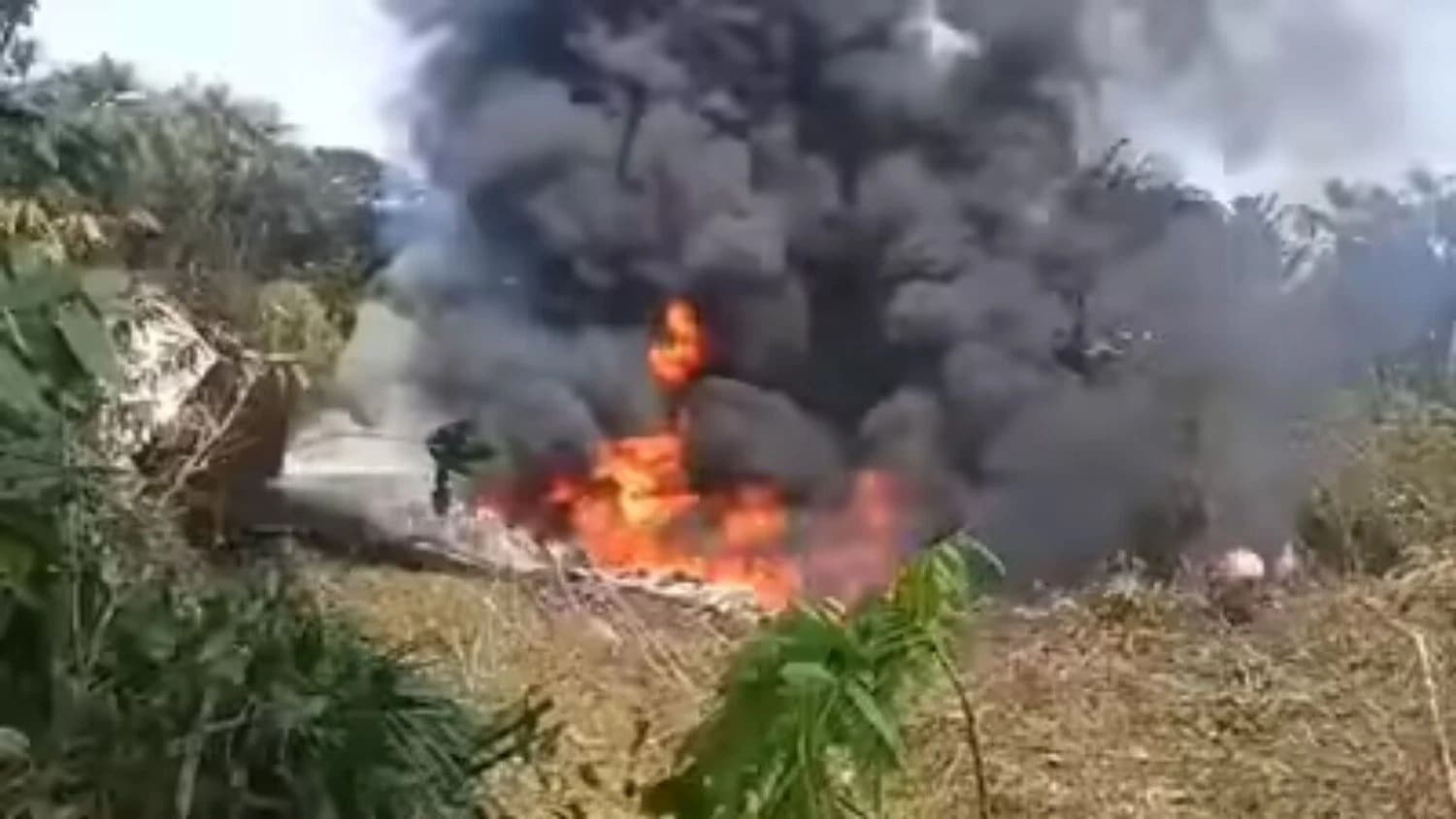
Colombian Air Force C-130 crashes in Putumayo, 66 dead, dozens missing
119 sources compared
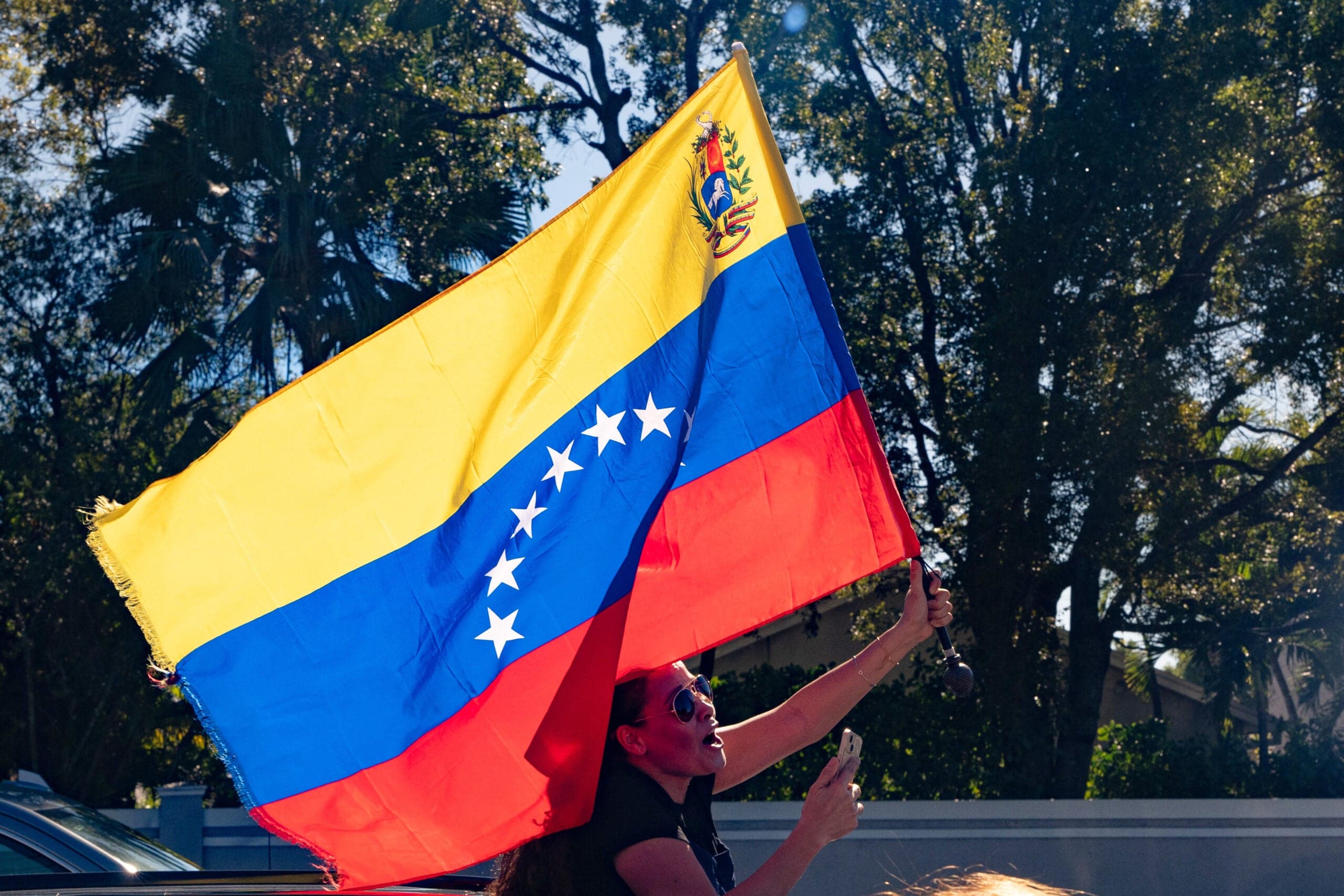
U.S. Captures Maduro, Maduro Arrives in New York to Face Charges.
21 sources compared
Nuevitas thermoelectric plant triggers Cuba's second nationwide blackout in less than a week
30 sources compared
.jpg&w=3840&q=75)
United States Oil Blockade Triggers Cuba's Second Nationwide Blackout
125 sources compared