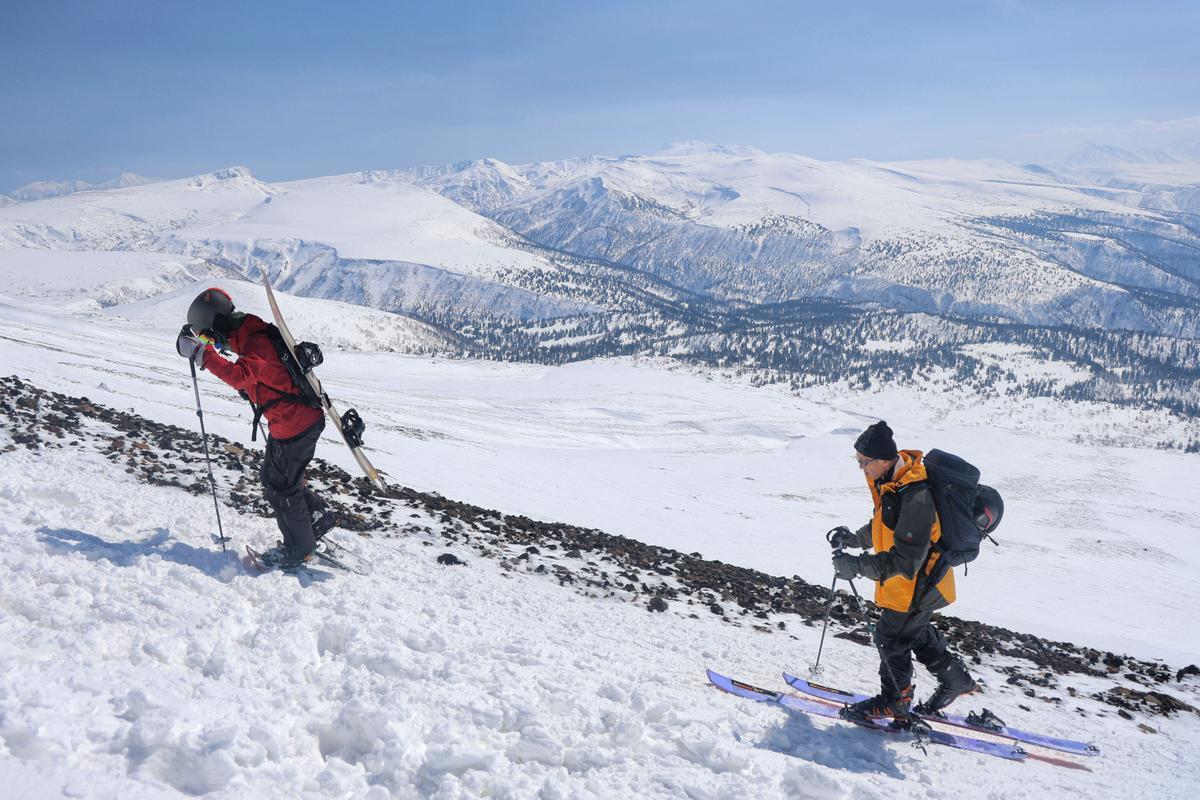
Thomas P. Convicted After Leaving Girlfriend To Die On Austria’s Grossglockner
Key Takeaways
- Alpine divorce describes a male partner abandoning a female partner on a mountain hike.
- The term went viral on TikTok and Instagram as women share traumatic experiences.
- Critics call it sexist violence and condemn sensationalization of femicide.
Austria case sparks hashtag
A high-profile criminal case in Austria earlier this year helped drive the viral hashtag “alpine divorce,” a term used online to describe an outdoor situation in which one partner—usually male—abandons the other in a remote, potentially dangerous setting.
“The hashtag ‘alpine divorce’ has exploded on social media platforms like TikTok and Instagram in recent months, with many women sharing traumatic, sometimes life-threatening experiences”
CNN says the case involved a climber convicted of manslaughter after he left his girlfriend alone on Grossglockner mountain, Austria’s tallest, as he claimed he went to seek help, and that she “froze to death.”

Prosecutors accused the man, named as Thomas P., of not answering calls from rescue services despite having phone signal and failing to send distress signals in time, according to CNN.
During the trial, CNN reports that an ex-girlfriend testified he had abandoned her on the same mountain in 2023 because he considered her too slow, and that he tended to get “grumpy” if she was struggling during a hike.
Le HuffPost adds that on February 19, a 36-year-old man named Thomas P. was tried and convicted in Austria for having left his partner at the summit of the Grossglockner in hypothermia and without protection, and that the woman was found dead the next day by rescuers.
Le HuffPost further reports that for the judges, Thomas P. was found guilty of “involuntary homicide by aggravated negligence.”
The viral framing of the term is tied to a TikTok clip captioned with the idea that “you’re going to hike with him in the mountains but he leaves you all alone,” which CNN describes as showing a woman alone on an isolated mountain path.
What the term means online
CNN describes “alpine divorce” as a label that emerged on social media platforms like TikTok and Instagram in recent months, with women sharing “traumatic, sometimes life-threatening experiences.”
The term is used, CNN says, to describe “an event during a hike or other outdoor adventure” when one partner abandons the other, who is “typically less experienced and more vulnerable.”
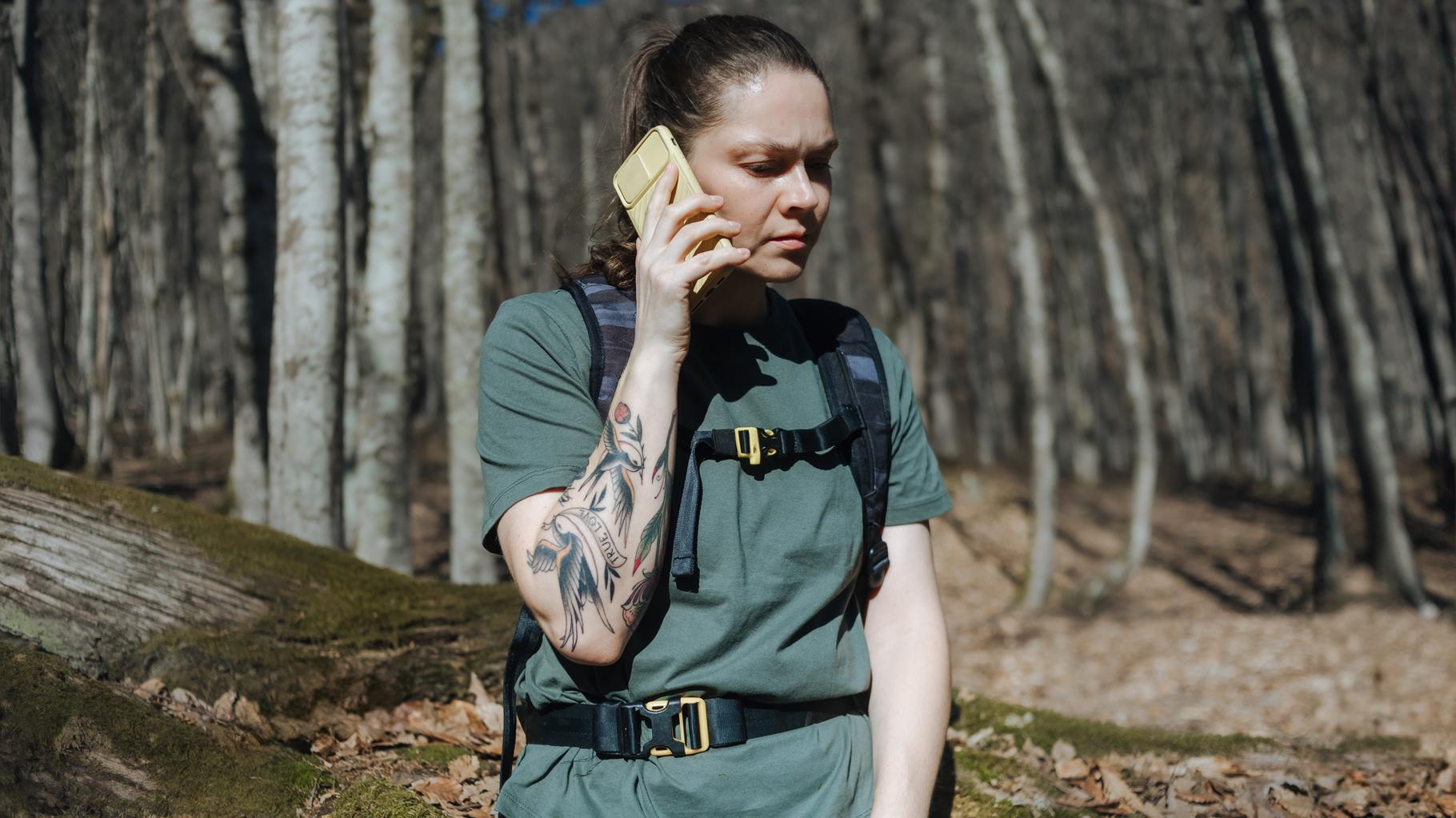
Le HuffPost says a video posted by a young American on TikTok—filming rocks and a trail—captures the same dynamic, with the caption reading: “You’re going to hike with him in the mountains but he leaves you all alone, and you realize that he never really loved you.”
Le HuffPost reports that the video generated more than 18 million views as the article was written, and that in the comments “testimonies flood in.”
It adds that many women recount being left behind by their partner during outdoor outings “under the pretext of their slowness or a difference in physical condition,” and it quotes multiple testimonies from commenters.
Le HuffPost also describes how the term “alpine divorce,” or “divorce alpin” in French, is linked to a short story by Scottish author Robert Barr published in 1893 and translated into French in 1983, retitled A Mountain Divorce.
Le Nouvel Obs frames the same TikTok phenomenon as a viral sequence in which a woman says, “I feel so vulnerable, it’s the worst Friday of my life,” and it reports that the minute-long sequence has been viewed 19 million times and liked by more than 3 million people.
Psychology and relationship dynamics
CNN connects the online stories to relationship dynamics, saying that “behavioral psychologist and relationship coach Jo Hemmings” told the outlet the patterns behind “alpine divorce” are identifiable.
“"You go on a mountain hike with him, but he leaves you alone, all by yourself, and you realize that he has never loved you”
CNN says Hemmings described perpetrators as commonly having an “avoidant attachment style,” and that they “emotionally and physically distance themselves from others when under stress rather than addressing the cause.”
Hemmings is quoted by CNN saying, “They are likely to lack empathy and compassion and avoid conflict – preferring to remove themselves,” and she adds, “I see this kind of behavior frequently in my counselling rooms – a partner, most often a man with a female partner, who withdraws under questioning, or may even leave the room or give up on the counselling altogether.”
CNN also quotes Hemmings explaining that “Not because of the mountainous setting, but because emotional withdrawal or even abandonment within a relationship is relatively common.”
The psychologist further says that “Walking ahead and refusing to adapt can be a subtle way of asserting authority or control,” and CNN reports that “Such outdoor activities create an instant hierarchy; who leads, who navigates and who sets the pace.”
Le HuffPost, while emphasizing that not all “go ahead” stories match the Austrian case, still describes the dynamic as gendered and dangerous, quoting a Fraîches media video that says, “this is a dynamic of punishment, control, and intimidation, which exposes the victim to real danger.”
Le HuffPost also warns that “circumstances can change quickly and a misstep, a weather change, or a wrong choice at an intersection can be dangerous,” tying the relationship behavior to outdoor risk.
A hiker’s account of abandonment
CNN includes a detailed first-person account from California hiker Laurie Singer, who said she felt betrayed by a long-term male friend when she became ill during a weeks-long hike that left her fearing for her life.
CNN reports that in 2016, at the age of 56, Singer set out on the John Muir Trail in California’s Sierra Nevada mountain range, accompanied by her close male friend and fellow hiker.
CNN says the trail “effectively stretches across 222 miles (357 kilometers)” and “takes the average hiker two to three weeks to complete.”
Singer told CNN that her friend had done the trek previously and had more experience than her, particularly at altitude, and that he “talked her into it.”
CNN says the pair agreed to hike for “20 miles a day,” with her friend saying that he would take care of arranging the necessary food for the two of them.
Singer described how, just days into the expedition, she began to feel ill in what she later realized was altitude sickness, and that her friend did not slow his pace.
CNN quotes Singer saying, “He kept going ahead of me and I couldn’t really keep up with him because of the altitude sickness I was experiencing,” and she added, “For example, one night, we were hiking into the night. He was so far ahead of me, I was so scared…I would yell his name…I didn’t hear anything.”
Divergent framing and stakes
The outlets diverge in how they frame the meaning of “alpine divorce,” even while discussing the same viral content and the Austria case.
“I hate this, I could be at home, in peace,' you can hear between sobs in a video posted by a young American on TikTok”
CNN presents the term as not legally or officially recognized, saying it “is not a legally or officially recognized term,” and it emphasizes Hemmings’ view that the underlying concept—“emotional withdrawal or even abandonment within a relationship”—is relatively common.
Le HuffPost, by contrast, characterizes the viral term as “hides a little-known sexist violence,” and it argues that the hashtag can mask a pattern of gendered danger even if many stories do not end as tragically as the Austrian case.
Le HuffPost says, “in the vast majority of cases, the stories told under the tags 'alpine divorce' do not have endings as tragic as that of this Austrian case,” and it also quotes a Fraîches media video describing the dynamic as “punishment, control, and intimidation.”
Le Nouvel Obs describes the same TikTok video as “romanticizing femicide,” and it quotes the viral line: “You go on a mountain hike with him, but he leaves you alone, all by yourself, and you realize that he has never loved you.”
It also reports that the woman says, “I feel so vulnerable, it's the worst Friday of my life,” and it notes the video’s scale of attention with “viewed 19 million times and liked by more than 3 million people.”
Le HuffPost closes with safety guidance, stating that “safety recommendations when hiking with others are clear: share water and snacks, tailor the itinerary to each person's level, and even if you go ahead, always wait for your partners at intersections.”
More on Crime

PSNI Charges 30-Year-Old Sudanese Man With Attempted Murder in North Belfast Knife Attack
15 sources compared

Man in Car Opens Fire Near Kokhav Yair, Kills Haim Kalomiti, Wounds Five
32 sources compared

Hyderabad Techie Anshul Kuncha Shot Dead In Philadelphia After Fake Pizza Delivery Trap
10 sources compared
Israeli Arab Attacker Kills 35-Year-Old Man, Wounds Five Near Qalqilya
27 sources compared