Sports14 March, 20263 min read
Three Iranian Women's Football Players Pull Asylum Bids in Australia
Three more members withdrew asylum bids and will return to Iran. Granted humanitarian visas, they were offered individual choices to stay or return.

Asylum Withdrawal Confirmed
Three additional Iranian women's football players have withdrawn their asylum applications in Australia, leaving only three of the original seven team members who sought protection remaining in the country. The players - identified as Zahra Soltan Meshkehkar, Mona Hamoudi, and Zahra Sarbali - made the decision to return to Iran after being granted humanitarian visas, according to Australia's Home Affairs Minister Tony Burke. 'Overnight, three members of the Iranian Women's Football Team made the decision to join the rest of the team on their journey back to Iran,' Burke stated, noting they were given repeated chances to discuss their options.
“Two more Iranian female footballers and a member of their support staff have reportedly withdrawn requests for asylum in Australia, which were granted over fears they might be punished upon their return home after the team refused to sing Iran's national anthem at the Asian Cup tournament.”
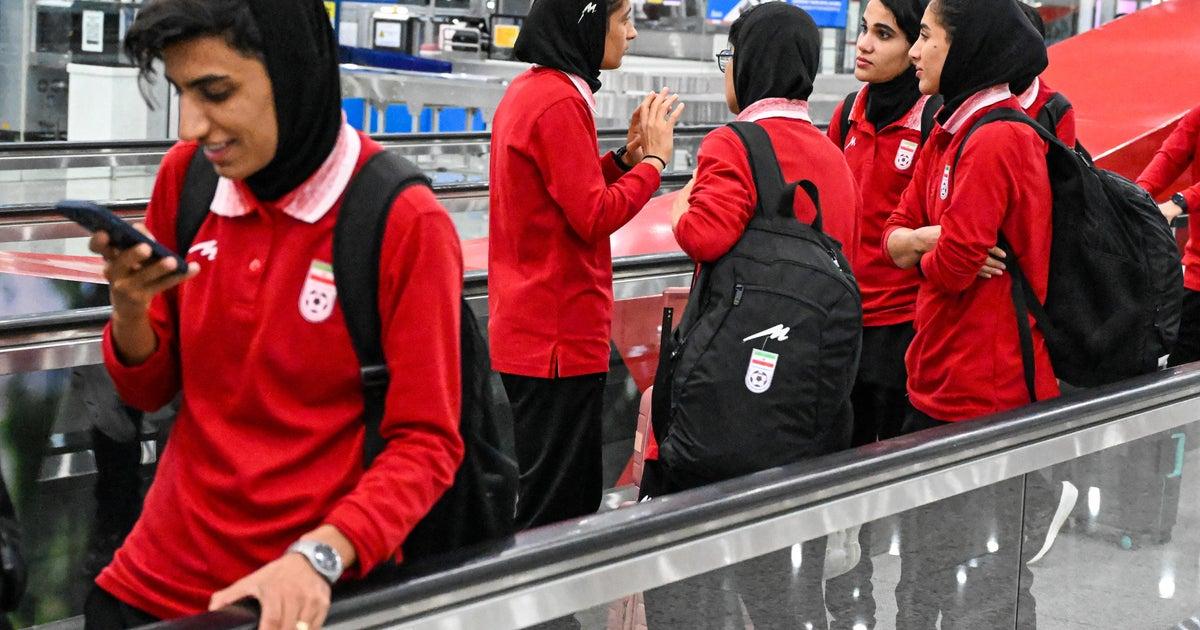
Iranian state broadcaster IRIB confirmed the withdrawal, reporting that the three women were 'currently heading to Malaysia' to rejoin their teammates, with state media publishing photos of them apparently boarding a plane. The decision means that of the seven squad members who initially sought asylum, only three will remain in Australia.
Anthem Protest & Safety Fears
The players initially sought asylum after refusing to sing Iran's national anthem during their opening match at the Asian Cup tournament on March 2, an act that resulted in them being branded 'wartime traitors' by Iranian state television. The controversy emerged during a period of extreme tension, as the team was in Australia when the United States and Israel launched their war on Iran on February 28, killing Iran's Supreme Leader Ayatollah Ali Khamenei and other leaders.
Under Iran's Islamic Republic penal code, corruption or treason can lead to lengthy prison sentences or the death penalty, creating genuine fear among the players about potential persecution upon their return. Iranian state media portrayed the players as having succumbed to 'psychological warfare, extensive propaganda and seductive offers' while Australian authorities noted that the first woman who changed her asylum application exposed the location of other asylum seekers when she contacted Iran's embassy, forcing authorities to change their safe house arrangements.

International Reactions
The situation captured significant international attention, drawing reactions from world leaders including US President Donald Trump, who warned the players 'will most likely be killed' if they were allowed to return to Iran. Iranian Australian groups and human rights organizations had repeatedly voiced concerns about the athletes' safety, with migration agent Naghmeh Danai noting that 'they were under lots of pressure here' during discussions with players.
“President Donald Trump also warned the team 'will most likely be killed' if they were allowed to return to Iran. Iran's Sports Ministry has since publicly welcomed the players' decision. 'The national spirit and patriotism of the Iranian women's national football team defeated the enemy's plans against this team,' the Ministry said in a statement.”
The case also sparked diplomatic tensions, with Iran's Sports Ministry publicly welcoming the players' return and stating that 'the national spirit and patriotism of the Iranian women's national football team defeated the enemy's plans against this team.' Meanwhile, Australian authorities emphasized that 'the Australian government has done everything it could to make sure these women were provided with the chance for a safe future in Australia,' acknowledging the emotional complexity of the players' decisions while noting that 'in Australia people can change their minds' about their destination.
Distress Signals & Uncertainty
The dramatic events unfolded after Iran was knocked out of the Asian Cup tournament over the weekend, leaving the squad facing the prospect of returning to Iran under uncertain circumstances. The situation escalated when news outlets published a photo appearing to show a woman being led by the wrist by a teammate to a bus bound for the airport, with another squad member's hand at her shoulder, further fueling concerns about the players' autonomy. Additional reports indicated that as the bus drove away, at least one of the women used her hand to give an international distress signal to demonstrators at the airport, by placing her thumb inside her palm and then closing the other fingers over it - a universal sign for 'HELP.'
The Iranian women's national football team's use of sign language to signal distress added urgency to international concerns about their safety. The remaining three players who are still seeking asylum in Australia continue to face an uncertain future, as the international community watches closely to see what fate awaits those who chose to return to Iran.