
Too good to go down? Ranking shock Premier League relegations
Key Takeaways
- Financial mismanagement, scandals, awful decisions, and dreadful form cause big clubs' relegations.
- Tottenham Hotspur is framed as the Premier League's most shocking potential relegation.
- The article ranks shock relegations of major clubs across world football.
Article overview
The article opens by noting that big clubs do go down for reasons ranging from financial mismanagement to scandals, awful decision-making and poor form.
“From financial mismanagement to scandals, awful decision-making to just dreadful form - across the footballing globe, big clubs do go down”
It suggests Tottenham Hotspur would be the Premier League's all-time shock relegation given its world-class arena and facilities.
The piece invites readers to rank the clubs that were "too good to go down" and says the list examines the most surprising relegations since the competition began in 1992.
The article frames its survey with examples of champions tumbling, legends fallen, cup winners crumbled and ever-presents becoming also-rans.
Major examples
The early and notable shock relegations include Nottingham Forest in 1992-93 (22nd, 40 points) whose decline followed key departures such as Teddy Sheringham and Des Walker and ended Brian Clough's 18-year reign despite Roy Keane's strong season.
Queens Park Rangers in 2012-13 (20th, 25 points) made big-name summer signings but registered just four league wins and changed managers from Mark Hughes to Harry Redknapp.
Wigan in 2012-13 (18th, 36 points) won the FA Cup and were relegated four days later, with manager Roberto Martinez saying, "I never, ever expected us to get relegated."
Aston Villa in 2015-16 (20th, 17 points) lost influential players in the summer, sacked Tim Sherwood after a poor start, used Kevin Macdonald, Remi Garde and Eric Black as managers, and were relegated for the first time since 1988 amid ownership issues.
Dramatic declines
Other dramatic falls include Middlesbrough in 1996-97 (19th, 39 points) who, despite high-profile signings like Fabrizio Ravanelli and a run to two cup finals, were docked three points for not playing Blackburn during an illness and injury crisis and finished two points short of survival.
“From financial mismanagement to scandals, awful decision-making to just dreadful form - across the footballing globe, big clubs do go down”
Blackburn in 1998-99 (19th, 35 points) saw shocked reactions from figures such as Sir Alex Ferguson and left owner Jack Walker tearful.
Leicester in 2022-23 (18th, 34 points) became one of the few Premier League champions to be relegated after several key players had been picked off.
Newcastle in 2008-09 (18th, 34 points) appointed Alan Shearer with eight games to go but could not avoid relegation after a season of multiple managers and fan fury at owner Mike Ashley.
Patterns and takeaway
The article highlights Leeds in 2003-04 (19th, 33 points) as a cautionary tale of overspending that led from Champions League semi-finals to relegation and eventual financial collapse.
West Ham in 2002-03 (18th, 42 points) had homegrown stars and internationals but still went down with 42 points, the highest points total of any team to be relegated in a 38-game Premier League season.
The piece emphasises that surprising relegations have affected champions, cup winners and long-standing top-flight clubs alike.
It closes by encouraging readers to have their say in ranking those "too good to go down."
More on Sports

Chelsea Captain Millie Bright Retires From Football With Immediate Effect
11 sources compared

Josh Mauro Dies At 35, Family Confirms After Former Cardinals And Giants Career
17 sources compared
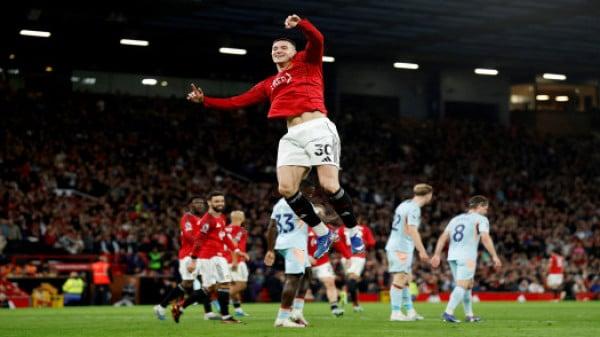
Manchester United Beat Brentford 2-1 as Casemiro Departure Looms Ahead of Champions League Qualification
12 sources compared
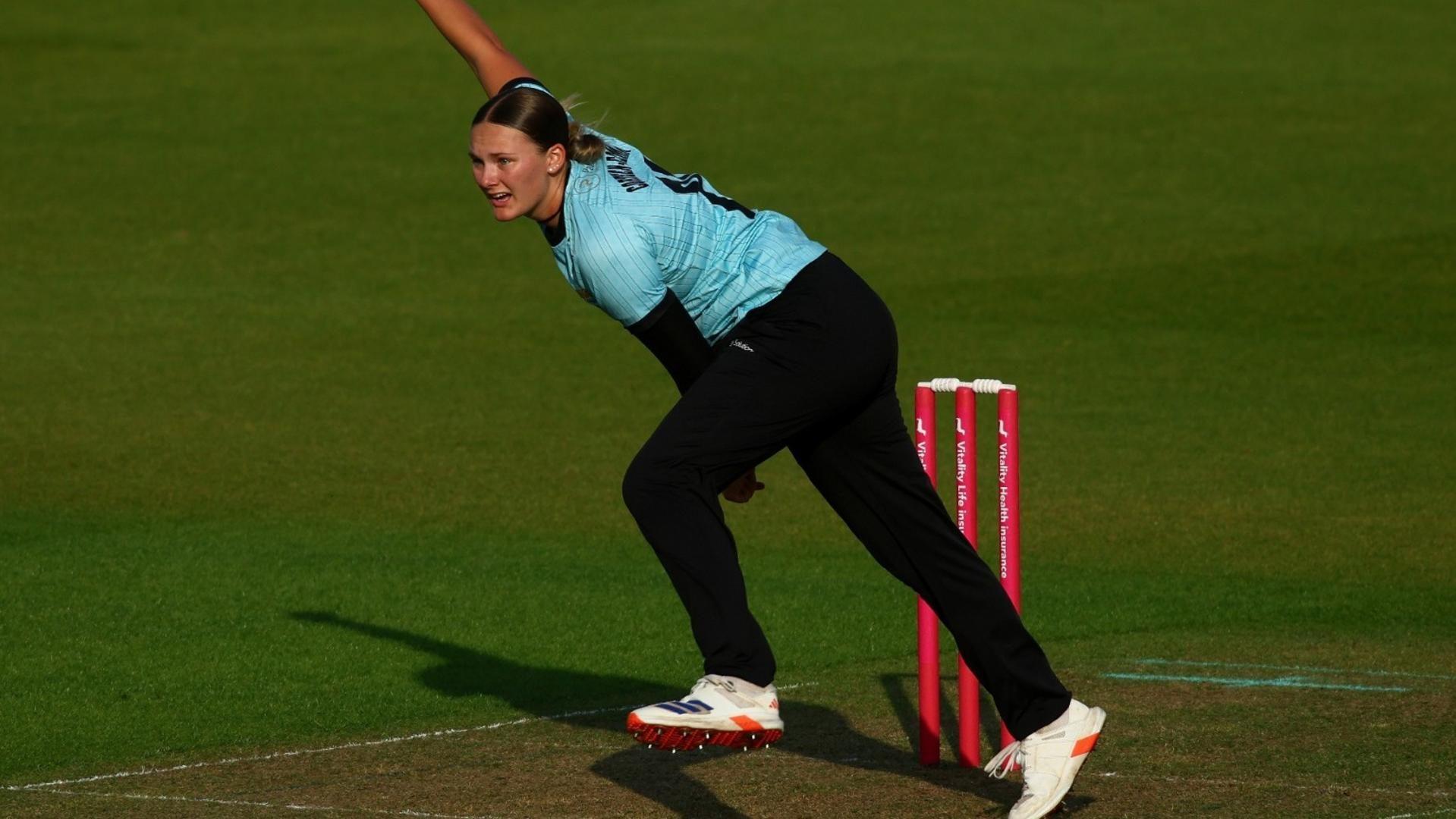
England Name Nat Sciver-Brunt-Led Women’s T20 World Cup Squad, Include 18-Year-Old Tilly Corteen-Coleman
17 sources compared