Sports20 April, 20266 min read
Toto Wolff Urges F1 Rulemakers to Use Scalpel, Not Baseball Bat, at Monday Miami Meeting
This article is an automated aggregation of coverage from news outlets. Our editorials offer in-depth analysis curated by the NewsCord team.
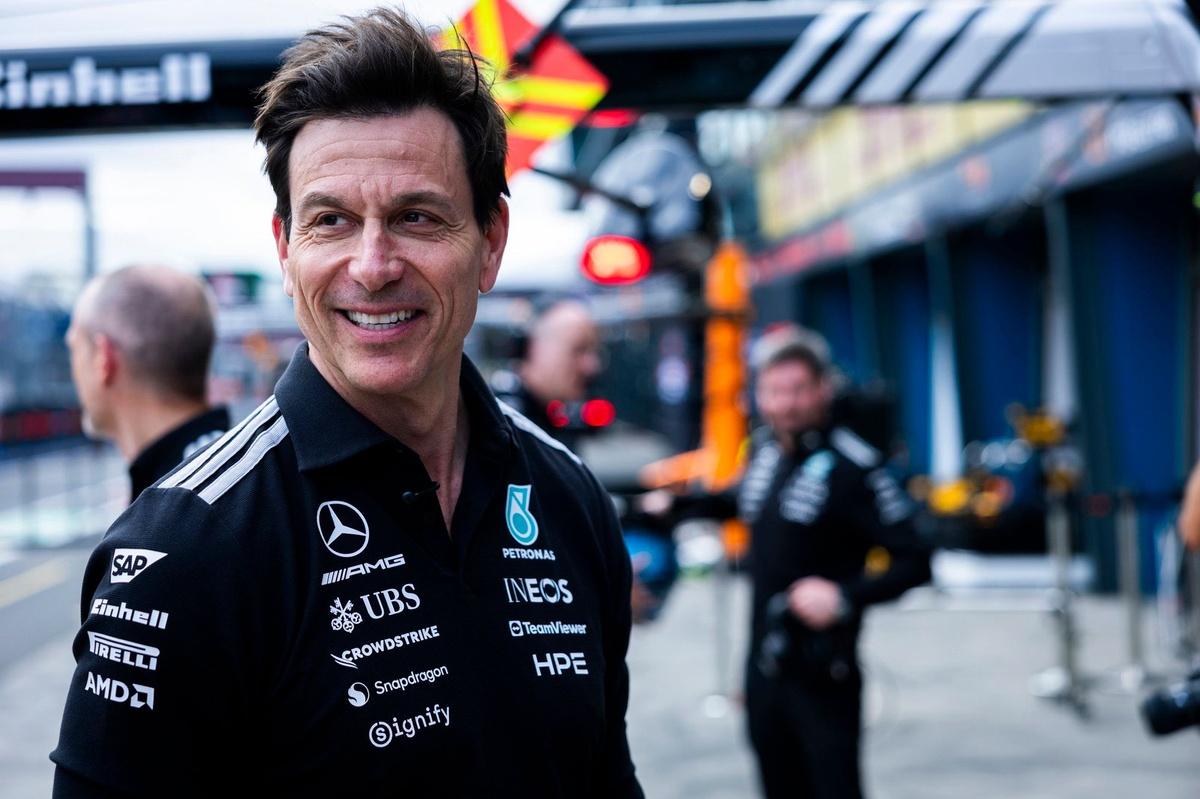
Wolff urged surgical scalpel not baseball bat tweaks for 2026 regulations. Teams, FIA, and F1 leaders met Monday to discuss improvements to the 2026 rules.
Scalpel vs bat
Formula 1’s rulemakers are preparing to adjust the sport’s 2026 regulations after criticism from drivers and safety concerns tied to energy management and closing speeds, with Mercedes team principal Toto Wolff urging a “scalpel rather than a baseball bat” approach. BBC reports that Wolff said the changes will be discussed at a meeting on Monday between the group of drivers, commercial rights holder F1, and the governing body the FIA, specifically to address “changes to the power-unit regulations in the light of criticism of new rules from drivers.” The Guardian similarly frames the Monday meeting as leaders agreeing changes to the new regulations after the opening three races, quoting Wolff insisting on “a “scalpel rather than a baseball bat”” and saying “We are coming to good solutions that we are going to ratify hopefully today, in order to evolve, because it’s only three races in.”
Sky Sports adds that the meeting is aimed at deciding “potential tweaks to the regulations after a series of discussions across the sport in recent weeks,” with the season resuming at the Miami Grand Prix next week. ESPN reports that Wolff expects Monday’s meeting to end with targeted changes, saying he is confident the sport can agree on “minor improvements without needing to overhaul the rules.” Across outlets, the same core theme appears: Wolff and other stakeholders are trying to improve the product and safety without making sweeping, destabilizing changes so early in the 2026 season.

Energy management pressure
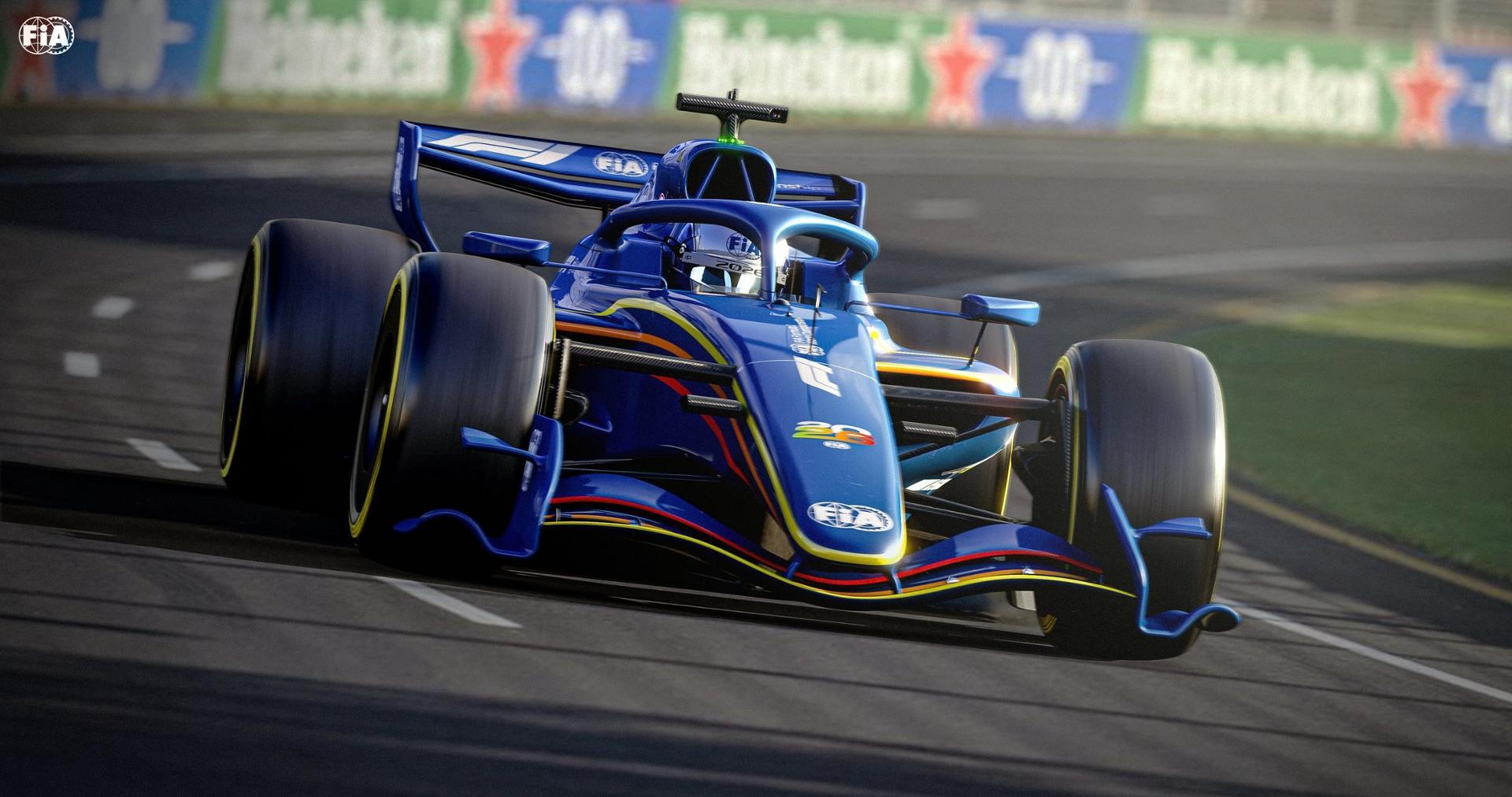
The debate over 2026 rules is being driven by how the new power units force drivers to manage energy, with multiple outlets describing a near 50-50 split between internal combustion and electrical power. BBC says the engines have “a near 50-50 split between internal combustion and electrical power,” and it links that to “a new form of driving and racing” shaped by energy management and “complex regulatory constraints.” The Guardian adds that “There has been disquiet among many drivers at the role energy management now plays in the sport,” describing how “The deployment and recharging of the latter has come to dominate how drivers approach a lap.”
Sky Sports similarly says the 2026 chassis and engine regulations “notably include a near-50-50 split between internal combustion and electrical power,” and it ties the renewed focus to criticism during qualifying at Suzuka and a crash for Oliver Bearman. BBC also details the specific driving changes drivers dislike, saying “qualifying laps are no longer on the limit at all times” because of the need to recharge the battery, and that “racing is being affected by the large variations in battery charge level” plus new “overtaking” and “boost” modes. Verstappen’s concerns are repeatedly cited: BBC reports that Red Bull’s Max Verstappen said at the last race in Japan that he was considering his future in F1 because of “his lack of satisfaction with the new cars,” while the Guardian says Verstappen is “so unhappy at the how it has affected racing that he is considering his future in F1.”

Safety after Suzuka
Safety concerns are now tightly linked to the way cars’ electrical energy states create large closing-speed differences, and the rule-change meeting is being framed as a response to that risk.
BBC says the degree of energy management required has introduced “a new form of driving and racing,” and it points to “huge speed differentials between cars” as a result of “the need to recharge the battery” and the new “overtaking” and “boost” modes.
It also identifies a specific incident: BBC says “This was a factor in a high-speed accident suffered by Haas driver Oliver Bearman in Japan,” and it quotes Wolff saying, “We need to see the Bearman accident for what it was. It was a misjudgment of a situation.”
BBC’s Wolff quote continues with a direct analogy: “It’s like pushing the boost button and not braking on a kink where you're supposed to brake.”
The Guardian similarly connects the safety focus to Bearman’s crash at Suzuka, saying the energy management requirements “brought safety sharply into focus when Oliver Bearman suffered an accident at Suzuka because of the differing closing speeds of cars managing electrical energy in different modes at the same point on track.”
Sky Sports adds that the meeting’s renewed focus came after “last month's Japanese Grand Prix when there was fresh driver criticism of energy-management requirements during qualifying at Suzuka and then a big crash for Oliver Bearman in the race amid a significant speed differential with the car he was following.”
Who said what
The rule-change process is presented as a multi-stakeholder effort, with several named figures describing both the intent and the boundaries of what should change. BBC reports that Wolff said, “The discussions that have been taking place between the group of drivers, the FIA, Formula 1, and the teams have been constructive,” and it adds that “we all share the same objectives.” It also quotes Mercedes driver George Russell saying last week that drivers had fed into discussions with the FIA and that they had “two headline points - flat-out qualifying, so no lift and coast, and then reducing the closing speeds.”
The Guardian adds that on Sunday the FIA president Mohammed Ben Sulayem outlined a “constructive and collaborative” engagement with the drivers, and it quotes him saying the drivers provided “invaluable input on adjustments which they feel should be made, particularly in the areas of energy management to ensure safe, fair and competitive racing.” Sky Sports reports that Ben Sulayem said in a social media post that talks had hitherto proved “constructive and collaborative,” and it repeats his thanks to drivers for “invaluable input.” ESPN and Motorsport outlets also emphasize Wolff’s insistence that stakeholders should avoid public conflict, with ESPN quoting him saying, “we shouldn't badmouth our own sport in public,” and Motorsport quoting him warning that “these opinions and discussions should happen among the stakeholders more than in the public eye.”
Miami deadline and next steps
The reporting ties the Monday meeting to a near-term timetable for changes before the next race in Miami, with multiple outlets specifying dates and the expected timing of ratification. BBC says Wolff expects solutions to be ratified “hopefully today,” and it notes that it is “only three races in,” while also stating that one of the changes expected before the next race in Miami on 1-3 May will be to remove a lower limit at which teams can recharge their batteries while at full throttle. BBC provides the technical detail that “At the moment, this is set at 250kW, rather than the maximum recharge limit of 350kW,” and it explains that having the lower limit forces drivers to do more “lift and coast.”
The Guardian similarly says it is expected changes will be in time for the next round in Miami on 3 May, and it describes the meeting as senior representatives including the FIA, team principals and their CEOs, the power-unit manufacturers and F1’s CEO Stefano Domenicali meeting to agree changes subject to ratification by the world motorsport council. Sky Sports adds that Monday’s meeting is set to agree what plans are put forward for final approval to a World Motor Sport Council e-vote, and it places the meeting in the context of the sport’s return at the Miami Grand Prix next week. Taken together, the sources depict a fast-moving governance process: stakeholders are meeting Monday, expecting ratification “hopefully today,” and aiming to implement changes by the Miami Grand Prix window.