Europe17 May, 20262 min read
Trinity College Dublin Researchers Identify Caedmon’s Hymn in 9th-Century Roman Manuscript
This article is an automated aggregation of coverage from news outlets. Our editorials offer in-depth analysis curated by the NewsCord team.
Trinity College Dublin researchers identified the hymn in a medieval manuscript in Rome. National Central Library of Rome houses the manuscript containing the hymn.
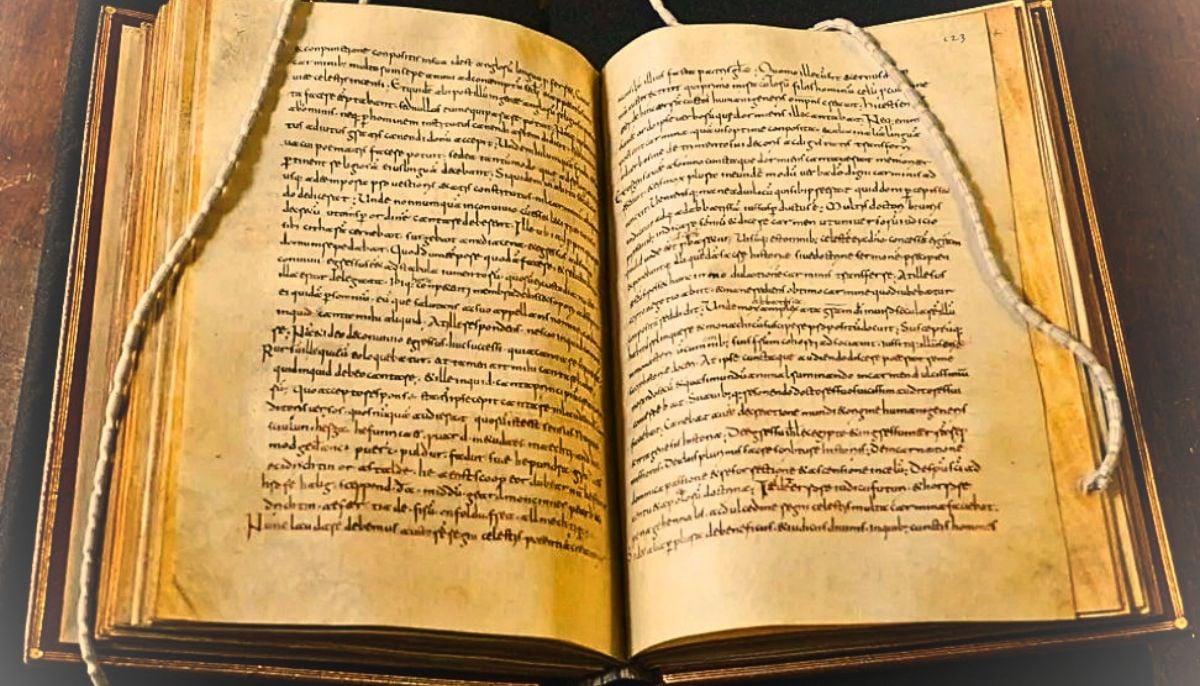
Oldest English poem found
Researchers from Trinity College Dublin identified a rare copy of Caedmon’s Hymn in a medieval manuscript kept in Rome, linking the find to the earliest records of English writing. The poem is considered the oldest known poem in the English language and appears in the main body of a medieval manuscript of the Ecclesiastical History of the English People by Bede, with the Roman manuscript dating from the 9th century.
Elisabetta Magnanti, from the School of English at Trinity College Dublin, reported surprise upon seeing the poem in the Latin text, describing its presence in the main body as extraordinary. Mark Faulkner, a professor of medieval literature at Trinity, said the hymn connects scholars to the earliest stages of English writing, and the discovery was made while they analyzed digitized pages of a book in the National Central Library of Rome.
Digitization and new dating
Magnanti and Faulkner said they were looking at digitized pages and found the poem within the main body of Latin text, with Magnanti calling it “extraordinary.” Faulkner said that “Prior to the discovery of the Rome manuscript, the earliest one was from the early 12th century,” adding that the Roman copy is three centuries earlier.
The manuscript is housed in the National Central Library of Rome, and researchers dated it to between 800 and 830, describing it as the third oldest surviving copy of the poem ever identified. The researchers also said the poem survives today because it was copied into certain manuscripts of the Ecclesiastical History of the English People, an 8th-century history written in Latin by the English monk and saint known as the Venerable Bede.

Provenance and European links
The manuscript’s journey to Rome included transcription by monks in the scriptorium of the Benedictine abbey of Nonantola near present-day Modena in northern Italy, before its collection passed through Rome, the Vatican, and a small church.
In the 17th century, with the decline of the abbey, the collection was shifted and later resurfaced in the early 19th century with international collectors, and the copy was acquired by the Swiss Martin Bodmer after being in the hands of the English antiquarian Thomas Phillipps.
The manuscript later arrived in New York City in the trove of Austrian-born rare bookseller H.P. Kraus, and Italy’s Ministry of Culture bought the copy from Kraus in 1972, keeping it in Rome’s library.
Valentina Longo said the Nonantolan collection was digitized and is available for free on the website, and Andrea Cappa, head of the manuscripts department, said the discovery could pave the way for other new international research.