Technology and Science29 April, 20266 min read
Tropical Primary Rainforest Loss Drops 36% in 2025, University of Maryland GLAD Lab Data Shows
This article is an automated aggregation of coverage from news outlets. Our editorials offer in-depth analysis curated by the NewsCord team.
Global tropical primary forest loss fell 36% in 2025 versus 2024. Total 2025 loss reached 4.3 million hectares, about Denmark's size.

Record Decline, New Risks
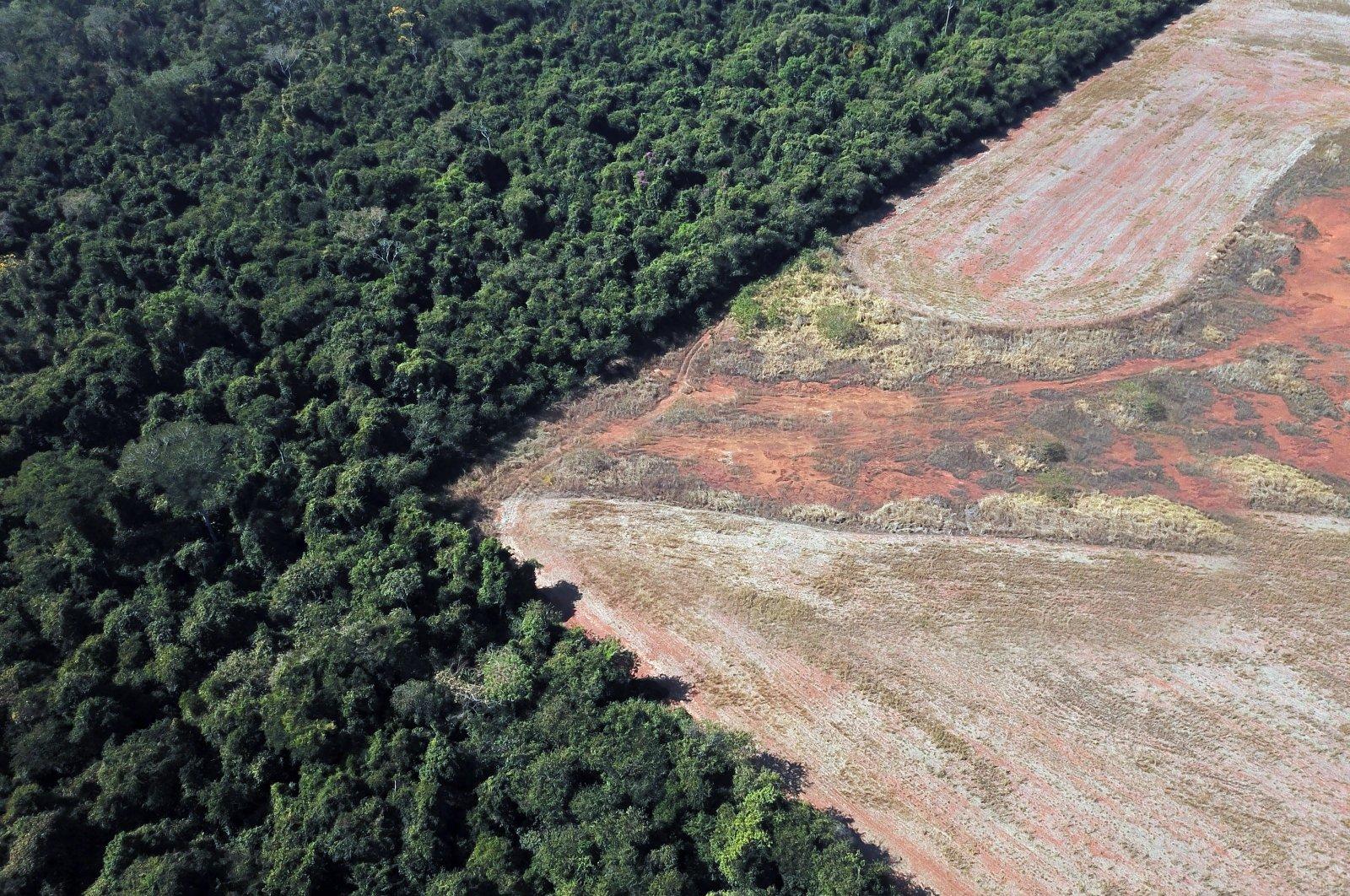
Tropical primary rainforest loss eased in 2025, falling by 36% from the record high year before, according to data from the University of Maryland’s GLAD Lab and the World Resources Institute’s Global Forest Watch platform. The world lost 4.3 million hectares of tropical primary rainforest in 2025, an area described as “roughly the size of Denmark,” and the decline was “encouraging” to Elizabeth Goldman, co-director of Global Forest Watch at the World Resources Institute. Goldman said the drop “shows what decisive government action can achieve,” while also cautioning that “part of the decline reflects a lull after an extreme fire year.”
Multiple outlets tied the slowdown to fewer fires, even as they warned that climate-driven fire risk remains a growing threat. Mongabay reported that the tropics lost 4.3 million hectares of primary forest in 2025 and said the decline “may reflect fewer fires rather than sustained progress.”

The same reporting emphasized that the world is still “far off track” from the 2030 goal of halting and reversing forest loss, with loss levels described as about 70% higher than what’s needed. Researchers also framed the pace of loss as ongoing and severe, with one account saying forests equivalent to “about 11 football fields’ worth of forests being razed every minute.”
Brazil’s Enforcement Shift
Brazil’s changes were central to the 2025 decline, with outlets describing a 42% fall in primary forest loss and the lowest-ever rate of forest loss caused by reasons other than fire. Climate Home News said Brazil recorded a “42% fall in primary forest loss” in 2025 and described it as “its lowest-ever rate of forest loss caused by reasons other than fire.” EnviroNews Nigeria reported that Brazil “cut non-fire primary forest loss by 41% compared to 2024, reaching its lowest level on record,” and linked the shift to stronger environmental policies and enforcement under President Luiz Inácio Lula da Silva.
Multiple accounts said Lula’s administration revived the Action Plan for the Prevention and Control of Deforestation in the Legal Amazon (PPCDAm), described as an anti-deforestation framework coordinating actions across federal agencies. Climate Home News added that the Brazilian government “beefed up the activities of the federal environmental agency Ibama,” which “between 2023 and 2025 issued 81% more infraction notices and 64% more fines than in the previous two-year period.”

Mongabay similarly described Brazil’s non-fire primary forest loss decline, citing “At 1.63 million hectares” of primary forest loss and saying the figure was “down 41% from 2024.” The same reporting said Brazil lost about “0.5% of its primary forests — proportionally lower than many smaller countries,” and tied the decline to stronger enforcement since Lula returned to office in 2023.
Fires, El Niño, and Feedback
Even with the overall decline, the reporting repeatedly returned to fire as a major driver and a mechanism that could reverse progress. EnviroNews Nigeria said “Fires and climate change are feeding off each other,” and warned that “with El Niño on the horizon for 2026, investments in prevention and response will be critical as extreme fire conditions become the norm.” Modern Ghana and other outlets described fire as a large share of tree cover loss, with one account stating fires “accounting for 42% of the 25.5 million hectares (63.1 million acres) of tree cover loss worldwide.”
Climate Home News also said fires “still contributed to around a third of forest destruction” in critical tropical regions after reaching a record high in 2024. The same reporting described climate change as increasing fire risk by creating “hotter, drier conditions that allow blazes to spread more easily,” and it framed fires as releasing “vast amounts of planet-heating CO2” when forests burn.
Mongabay added that losses linked to fire “remained the third-highest on record,” underscoring what researchers described as a “growing climate-driven risk.” Matthew Hansen was quoted warning that “Climate change and land clearing have shortened the fuse on global forest fires,” and that “They are turning seasonal disturbances into a near-permanent state of emergency.”
Uneven Progress Across Countries
The reporting described uneven patterns across tropical countries, with some nations showing declines while others faced continued or rising pressure. Modern Ghana said forest loss in neighbouring Colombia fell “17 percent,” describing it as the “second lowest year on record since 2016,” and it attributed the change to government policies and agreements limiting forest clearing. The same outlet said Indonesia’s forest loss increased by “14 percent” but remained “well below the highs seen a decade ago,” and it described Malaysia as stabilising forest loss.
Climate Home News said Bolivia recorded the “second-highest amount of primary forest loss in the world last year,” and it attributed the main causes to “Fires, likely started by humans,” alongside “the expansion of cattle ranching and crops such as soy and maize.” Mongabay expanded the picture by naming multiple smaller forest-rich countries losing remaining forests fastest, including “Côte d’Ivoire, Honduras, Guatemala, Laos, Madagascar, Cambodia, Paraguay and Nicaragua,” and it said these countries are losing their remaining forests at an average rate of “about 1.3% per year.”
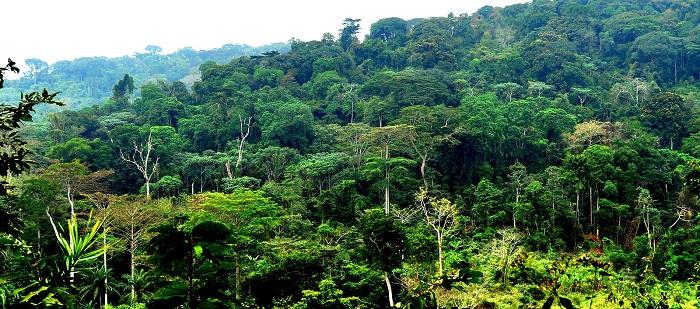
It further stated that “Madagascar and Nicaragua are losing more than 2.5% of their remaining primary forests annually,” and described the situation as “holding the last line” because remaining forests are increasingly fragmented and vulnerable. Hansen was quoted in Mongabay saying, “We know that forest fragments, even those inside national parks, are more likely to be cleared,” and it added that “So this is like emergency-level interdiction to save these forests.”
2030 Targets and Funding
Across the reporting, the 2030 deforestation goal remained the benchmark, with multiple outlets saying the world is still far above the required level even after the 2025 decline. Climate Home News said deforestation was “70% higher than it needed to be in 2025 to meet a global pledge to halt and reverse deforestation by 2030,” referencing that “145 countries first committed to at COP26 nearly five years ago.” EnviroNews Nigeria and Modern Ghana similarly said global forest loss remains about “70% too high” relative to what’s needed to meet the 2030 goal, and they tied the gap to the need for sustained action.
Mongabay described the pledge as one made by “more than 140 countries under the Glasgow Leaders’ Declaration,” and it said loss levels are “about 70% higher than what’s needed to meet that target.” The reporting also pointed to the role of global policy and finance, including the “creation of the Tropical Forest Forever Facility (TFFF),” which Climate Home News said was “a major new rainforest protection fund launched by Brazil at COP30.”
Mongabay and other outlets framed the challenge as requiring consistent years of progress, with Matthew Hansen saying, “A good year is a good year, but you need good years consistently if you’re going to conserve tropical rainforests.” The reporting also emphasized that agricultural expansion remains the leading driver of tree cover loss overall, even as fires account for a large share of destruction, and it cited the need for prevention and response investments as extreme fire conditions become the norm.