
Trump Administration Defends Authority to Turn Away Asylum Seekers at Ports of Entry
Key Takeaways
- Supreme Court weighs authority to turn away asylum seekers at ports of entry.
- Trump administration seeks broad authority to turn migrants away regardless of asylum claims.
- Arguments center on border processing overload and ability to limit asylum claims.
Court Case Overview
The Supreme Court is currently examining a significant legal challenge concerning the Trump administration's authority to deny asylum seekers entry at U.S.-Mexico border ports of entry.
“The justices are weighing whether migrants can be turned back at ports of entry”
This high-stakes case involves the administration's push for broad discretionary powers to turn away migrants regardless of their asylum claims.
Justices are evaluating whether border officials can implement policies that effectively block asylum applications at entry points.
The Trump administration has petitioned the court to overturn a federal appeals court ruling that had blocked officials from using the Obama-era practice.
This sets the stage for a pivotal decision that could reshape U.S. asylum policy.
Metering Policy Details
At the center of the legal dispute is the 'metering' policy, a practice that U.S. immigration officials historically used when ports of entry reached maximum capacity.
Under this policy, border officials were empowered to stop asylum seekers at the border and indefinitely decline to process their claims.
This effectively created a bottleneck that prevented many from presenting their asylum cases.
The Trump administration may seek to revive this policy after it was dropped by former President Joe Biden in 2021.
However, this approach should be distinguished from the sweeping ban on asylum that Trump announced after returning to the presidency last year.
Legal Challenges
Immigrant advocates and civil rights organizations have mounted multiple legal challenges against the administration's approach.
“By John Kruzel and Andrew Chung WASHINGTON, March 24 (Reuters) – The U”
These lawsuits argue that the approach violates fundamental provisions of the Immigration and Nationality Act.
The lawsuits contend that federal law mandates asylum protections for noncitizens who are 'physically present in the U.S.' or who 'arrive in the U.S.'
The immigrant-rights organization Al Otro Lado has specifically argued that physically blocking asylum-seekers at entry ports violates federal asylum laws.
The Trump administration has appealed a lower court's finding that the policy violated federal law.
Justices' Perspectives
During oral arguments, Supreme Court justices presented sharply contrasting perspectives on the legal interpretation of asylum eligibility and arrival status.
Justice Department attorney Vivek Suri vigorously defended the administration's position, arguing that asylum-seekers cannot present their claims from another country.
Suri asserted that individuals 'can't arrive in the United States when one is physically still in Mexico and under the responsibility of Mexican officials.'
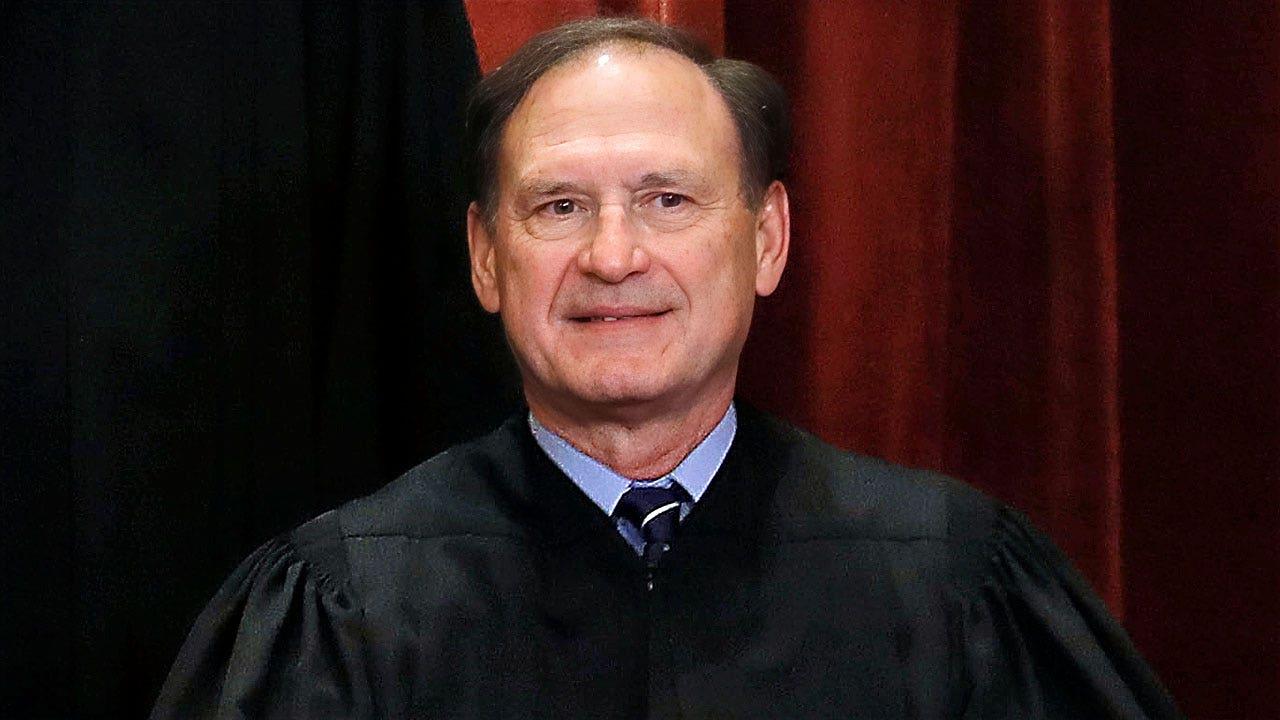
Justice Samuel Alito offered a metaphorical interpretation, suggesting that 'when someone knocks on the front door of a house, that person has arrived at the house, not in it.'
Justice Sonia Sotomayor cited historical treaty obligations, warning that 'Those people were sent back to where they came from and killed, and that's what the government is doing now.'
Potential Implications
The outcome of this Supreme Court case carries significant implications for U.S. immigration policy and international asylum obligations.
“The justices are weighing whether migrants can be turned back at ports of entry”
The court will ultimately rule on the fundamental question of whether migrants can seek asylum when approaching the entry port or only when the individual steps onto U.S. soil.
While the metering policy represents one specific approach, it operates alongside Trump's sweeping ban on asylum at the border.
Trump's sweeping ban was announced after his return to the presidency and faces its own ongoing legal challenges.
A ruling in favor of the administration could substantially curtail asylum access at the southern border.
More on USA

U.S. Prepares to Deploy 1,000 82nd Airborne to West Asia to Seize Airfields
17 sources compared

Democrat Emily Gregory flips Trump-carried Palm Beach House seat, defeating Trump-backed Jon Maples
12 sources compared

President Donald Trump Threatens National Guard Deployment to U.S. Airports
14 sources compared
GOP excludes ICE enforcement in DHS funding plan, leaving TSA workers unpaid and airports strained
17 sources compared