Trump administration neglected Strait of Hormuz blockade hypothesis, risking disastrous consequences for the economy.
Key Takeaways
- Analyses by Energy and Treasury were relegated to background during planning.
- US underestimated Iran's ability to blockade Hormuz and affect the world economy.
- CNN reported March 13 that Washington sources warned about blocking Hormuz.
Decision-Making Flaws
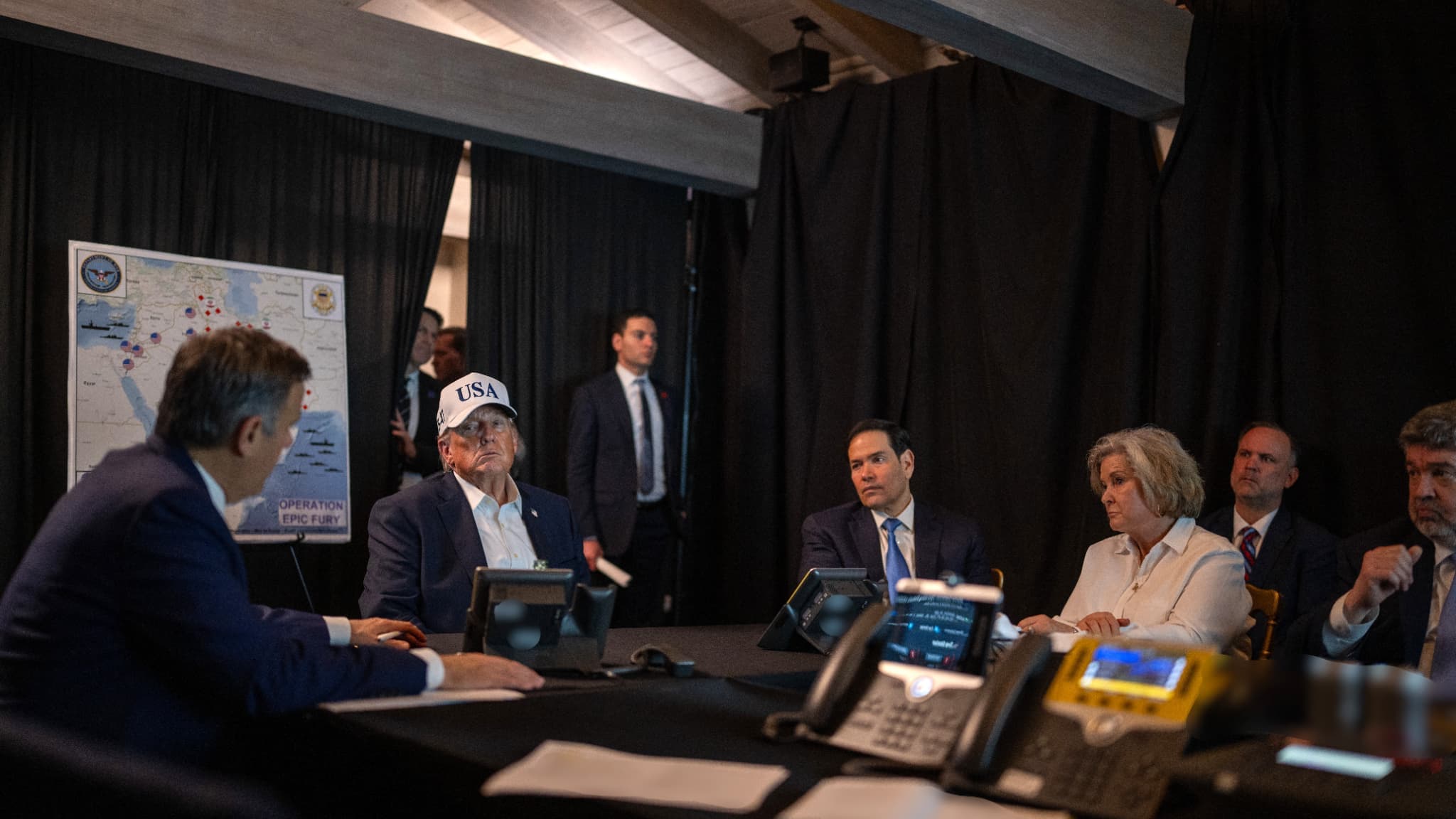
The Trump administration's decision-making process marginalized key government agencies, including the Energy and Treasury departments, during planning for military operations against Iran.
“Have the United States underestimated Iran's ability to block the Strait of Hormuz and, consequently, to strike the global economy”
Despite Secretary of the Treasury Scott Bessent and Secretary of Energy Chris Wright being involved in both planning and execution phases, Trump's preference for a small circle of close advisers sidelined their analyses and forecasts.
This exclusion of expert perspectives contributed to critical oversights in risk assessment and strategic planning.
The administration's approach reflected a pattern of centralized decision-making that disregarded established national security protocols and institutional expertise.
Intelligence Failure
Senior Trump administration officials revealed in closed-door meetings that they had failed to anticipate Iran's potential closure of the Strait of Hormuz in response to US strikes.
Three sources confirmed that these officials believed a blockade of the vital waterway would hurt Iran more than the United States, a miscalculation reinforced by previous Iranian threats that remained unanswered after US strikes on Iranian nuclear facilities last summer.
This fundamental intelligence failure ignored decades of established US national security policy principles that emphasize planning for precisely such scenarios, regardless of how unlikely they may seem.
The lack of foresight represented a significant breakdown in strategic planning and risk assessment.
Economic Impact
The blockade of the Strait of Hormuz has triggered the most significant disruption to crude oil supplies ever observed by the International Energy Agency (IEA), with devastating economic consequences.
“Have the United States underestimated Iran's ability to block the Strait of Hormuz and, consequently, to strike the global economy”
The closure has created a global energy crisis that will likely persist for weeks as the 'vice' tightens around oil and liquefied natural gas supplies.
Despite abundant global supplies and record US production levels at the time of planning, the administration failed to recognize the magnitude of the risks involved in disrupting this vital navigable waterway.
The economic fallout extends beyond immediate supply constraints, threatening global economic stability and potentially triggering widespread inflation and market volatility.
Official Response
The Trump administration has attempted to downplay the severity of the energy disruption, with President Trump framing it as temporary and claiming it will ultimately benefit the country and global economy in the long term.
White House spokesperson Anna Kelly emphasized the administration's detailed planning process and claimed they were prepared for any potential action by the 'Iranian terrorist regime.'
Meanwhile, Treasury Secretary Scott Bessent expressed cautious optimism about future military escorts through the Strait, suggesting they might occur within an international coalition once militarily feasible.
This official response contrasts sharply with the growing panic in maritime industries and the stark reality of the economic damage being inflicted on global energy markets.
Iran's Position
Iran has taken a firm stance on maintaining the Strait of Hormuz closure as a strategic tool of pressure, with the new Supreme Leader Mojtaba Khamenei declaring the waterway will remain closed.
“Have the United States underestimated Iran's ability to block the Strait of Hormuz and, consequently, to strike the global economy”
This position underscores Iran's determination to leverage its geographic advantage and control over this critical chokepoint in response to US military actions.
The Iranian leadership's rhetoric suggests they view the blockade as both an economic weapon and a demonstration of their ability to challenge US hegemony in the region.
Meanwhile, concerns have escalated about potential mining operations in the area, further complicating any attempts to reopen the Strait and increasing the risks associated with maritime transit through the Persian Gulf.
More on USA

Trump Threatens to Delay Xi Summit If China Fails to Defend Strait of Hormuz
12 sources compared

White House Chief of Staff Susie Wiles Has Early-Stage Breast Cancer, Trump Says
13 sources compared

Trump Urges Beijing to Secure Hormuz Strait as Australia Rejects U.S. Naval Escort Mission
32 sources compared

Trump Threatens to Delay Xi Summit Over Iran War and Strait of Hormuz
21 sources compared