
Trump Administration Uses U.S. Oil Sales To Coerce Cuba, Seeks Economic Control
Trump administration Cuba strategy
The Trump administration has shifted U.S. policy toward Cuba away from decades of isolation and toward an explicit strategy of empowering the island's private sector as a lever for political change.
“Cubastroika: Inside Trump plan to save Cuba's economy and win control Trump’s strategy is different in that it involves coercion and comes at a time when Cuba is struggling to survive - The Trump administration has shifted its Cuba policy, aiming for economic influence rather than direct regime change”
A key, concrete step in that shift is the administration's approval allowing U.S. companies to export diesel directly to Cuban small businesses "for the first time in over six decades," framing fuel access as a tool to strengthen independent Cuban entrepreneurs and weaken the regime's hold.
Advocates and analysts characterize this approach as a kind of "Caribbean-style perestroika," deliberately premised on increasing economic dependence on U.S. markets rather than using military force.
U.S. pressure on Cuba
Administration officials are combining diplomatic engagement, regulatory changes and law-enforcement measures to press the Cuban government.
The reporting notes that senior U.S. figures, cited explicitly by name, have been negotiating with Cuban representatives.
Federal prosecutors are reportedly examining possible charges against Cuban officials, a legal-pressures tactic the article ties to similar actions used against Venezuela’s Nicolás Maduro.
Statements from top U.S. figures signal an expectation that increased economic openness will translate into political weakening of Havana.
Cuba fuel policy impact
Cuban private-sector actors welcome the policy shift — local entrepreneurs say access to reliable fuel could be transformative for small businesses that have long operated under scarcity.
“Cubastroika: Inside Trump plan to save Cuba's economy and win control Trump’s strategy is different in that it involves coercion and comes at a time when Cuba is struggling to survive - The Trump administration has shifted its Cuba policy, aiming for economic influence rather than direct regime change”
The article highlights Mercatoria founder Adrián Álvarez, who describes dependable diesel supplies as "transformative," illustrating how economic tools are being presented as immediate, practical benefits that also serve Washington’s political aims.
At the same time, a violent incident — a deadly shootout between a boat of Cuban-Americans and the Cuban coast guard that left several dead, including at least one U.S. citizen — grabbed headlines but was reported as unlikely to derail the broader U.S. strategy.
Economic Strategy Toward Cuba
Taken together, the measures amount to a coercive economic strategy: opening targeted commercial channels, applying legal pressure on Cuban officials, and signaling political expectations in the hope that market integration and pressure will prompt regime change.
The coverage frames this as an alternative to military intervention—what supporters call a market-driven path to political transformation.
Critics worry about the ethics and risks of using essential commodities, law enforcement, and negotiations as instruments of U.S. political control over Cuba.
Key Takeaways
- Trump administration shifted Cuba policy toward economic influence instead of direct regime change
- U.S. permits petroleum sales to Cuba after Venezuela's oil cutoff
- Administration uses oil sales as coercive leverage over Cuba
More on USA
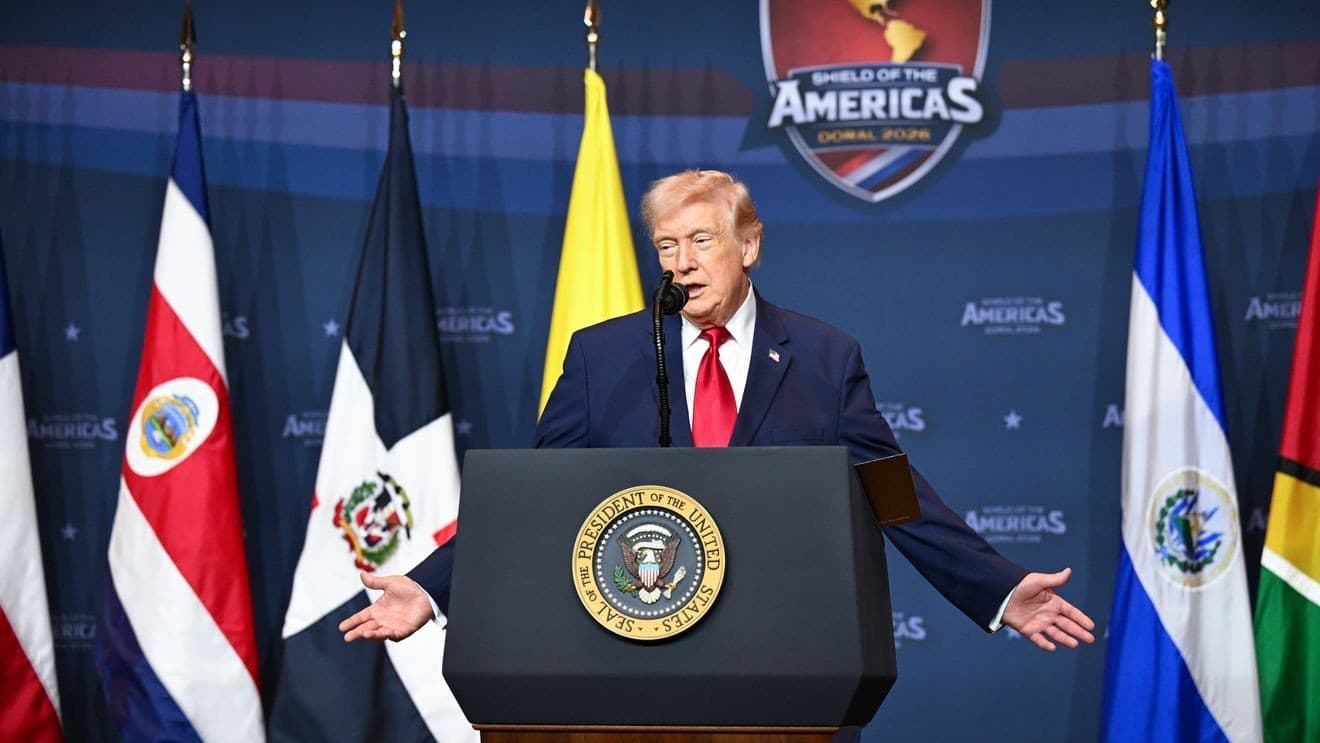
Trump Forms 17-Nation Coalition, Offers US Missile Strikes to Wage War on Cartels
16 sources compared
President Donald Trump Joins Families as Six U.S. Soldiers' Remains Return
10 sources compared

Trump Convenes Latin Leaders at 'Shield of the Americas' Summit, Names Kristi Noem Special Envoy
21 sources compared
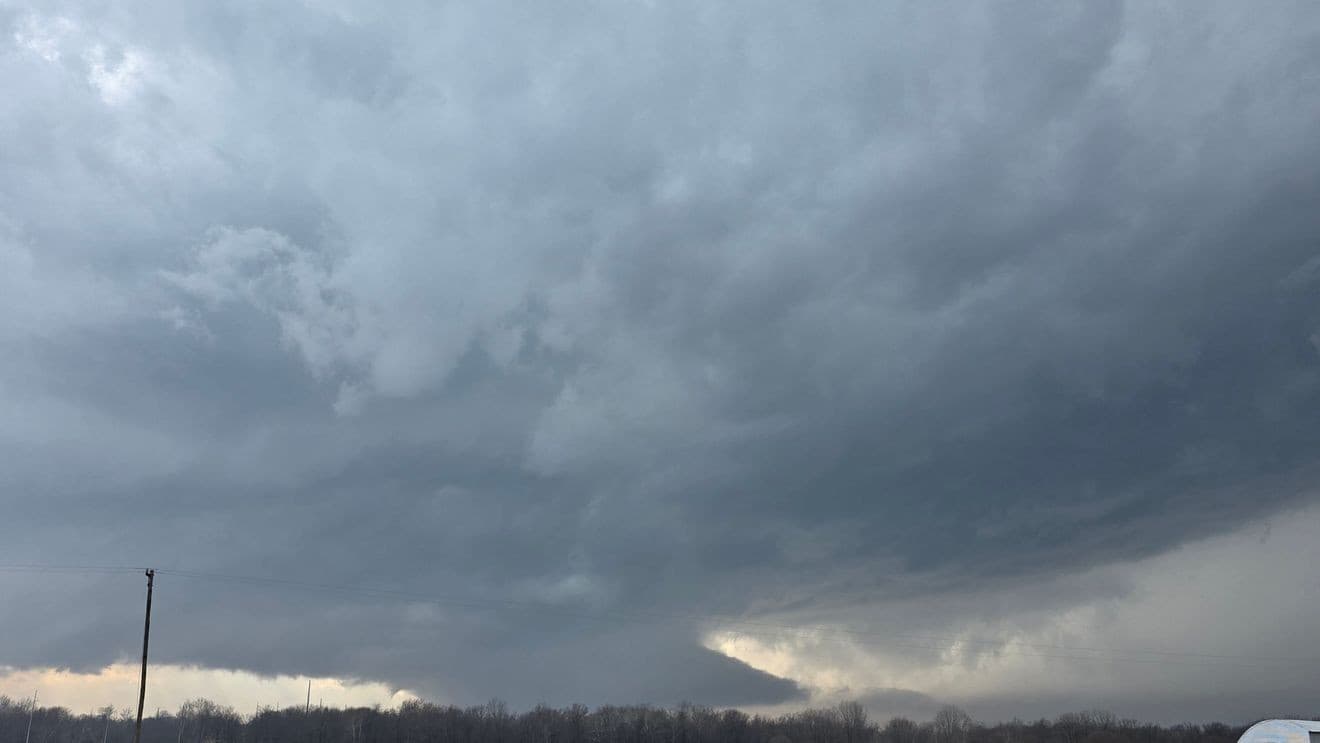
Tornado Rips Through Southwest Michigan; Some Reports Say Four Dead, Others Say Six
27 sources compared