USA25 March, 20262 min read
Trump appoints Zuckerberg, Huang to President’s Council of Advisors on Science and Technology
Trump appointed Mark Zuckerberg and Jensen Huang to the White House tech advisory panel. Initial slate includes 13 members; panel may expand to as many as 24.
Council Formation
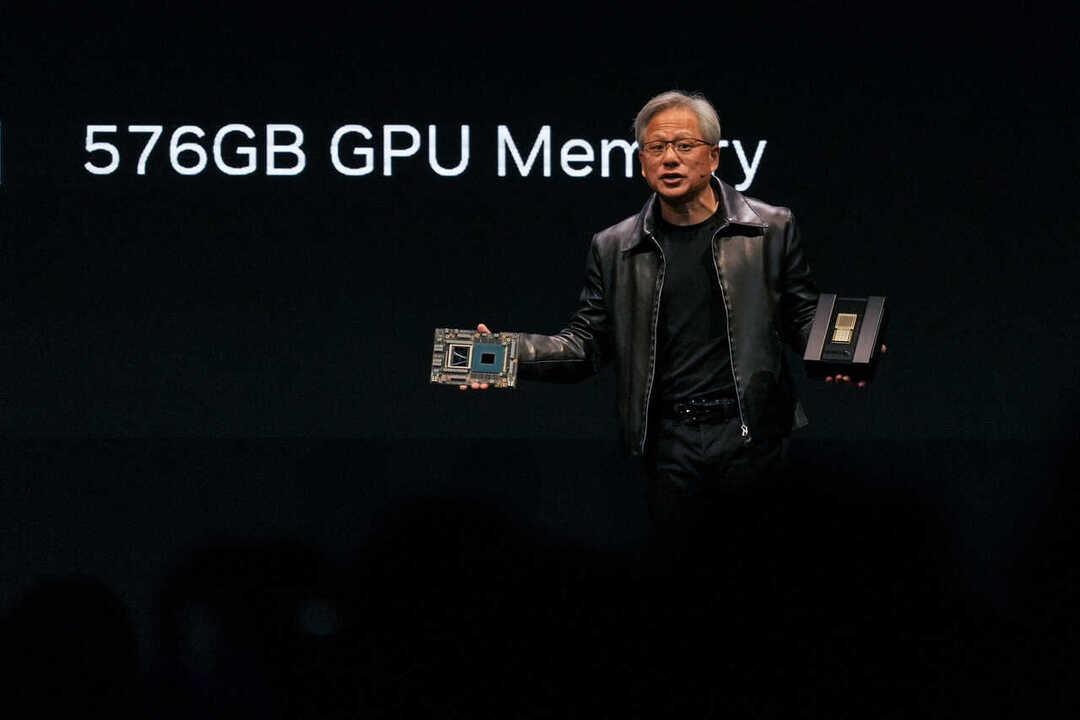
President Donald Trump has appointed Meta CEO Mark Zuckerberg and Nvidia CEO Jensen Huang to his President's Council of Advisors on Science and Technology (PCAST). The council, re-established by executive order in January 2025, will be co-chaired by Trump's AI and crypto czar David Sacks and technology adviser Michael Kratsios. This initial batch of 13 members represents significant alignment between the Trump administration and major technology companies.
“The Council will be co-chaired by David Sacks and Michael Kratsios. In addition to Zuckerberg and Huang, the following are members: tech investor Marc Andreessen; Sergey Brin, cofounder of Google; Safra Catz, former CFO of Oracle; Michael Dell, CEO of Dell; Jacob DeWitte, founder and CEO of Oklo; Fred Ehrsam, cofounder of Coinbase; Larry Ellison, cofounder and former CEO of Oracle; David Friedberg, entrepreneur; physicist John Martinis; Bob Mumgaard, CEO of Commonwealth Fusion Systems; and Lisa Su, CEO of AMD. The White House notes that the President's Council of Advisors on Science and Technology can include up to 24 members.”
The White House indicates additional appointments will be made in the near future to bring total membership to up to 24 people. The appointments come as Trump has made securing US leadership in artificial intelligence a central priority of his second term.

Key Appointees
The initial appointees to PCAST represent a who's who of American technology leadership. The list includes Oracle Executive Chairman Larry Ellison, Google co-founder Sergey Brin, Meta Platforms CEO Mark Zuckerberg, Nvidia CEO Jensen Huang, AMD CEO CEO Lisa Su, and Dell Technologies founder Michael Dell. Additional members encompass crypto industry representatives like Coinbase co-founder Fred Ehrsam and venture capitalist Marc Andreessen.
Leaders in emerging technologies include fusion energy executives Bob Mumgaard and Jacob DeWitte, and quantum computing researcher John Martinis. Several members have previous connections to Trump, including Zuckerberg who visited Mar-a-Lago after his election win. Huang has met with the president to discuss export controls for Nvidia's chips.

AI Policy Focus
The PCAST council is expected to play a pivotal role in shaping Washington's response to intensifying global competition in artificial intelligence. This competition is particularly focused on China, where state-backed firms have advanced AI capabilities. Trump has framed AI as a defining arena of strategic competition and directed federal agencies to prepare an AI Action Plan.
“The President's Council of Advisors on Science and Technology (PCAST) could ultimately include 24 people, according to an executive order issued in January last year. The council is expected to play a key role in shaping Washington's response to intensifying global competition in artificial intelligence, particularly with China, where state-backed firms have advanced AI capabilities.”
The plan aims at reducing regulatory barriers and accelerating private-sector innovation. Trump committed to securing billions in investments from tech leaders to build out AI infrastructure. Policies promote unleashing domestic energy production to fuel data centers.
The council's focus extends beyond AI to encompass broader emerging technologies. It will study how these technologies affect the American workforce. The administration calls this the 'Golden Age of Innovation.'
Political Context
These appointments represent a significant shift from Trump's first term when major tech leaders largely boycotted his administration. This reflects changing dynamics between Silicon Valley and the White House. The council's formation comes amid broader political and technological developments.
Trump is pushing for Republicans to pass the SAVE America Act requiring proof of citizenship to register to vote. There are ongoing debates in Congress about digital asset market structure legislation. The timing follows the White House's release of a national AI framework.
Some analysts view the tech industry's increased engagement as strategic positioning. Companies face increasing regulatory scrutiny and geopolitical tensions. These factors could impact their global operations and market access.