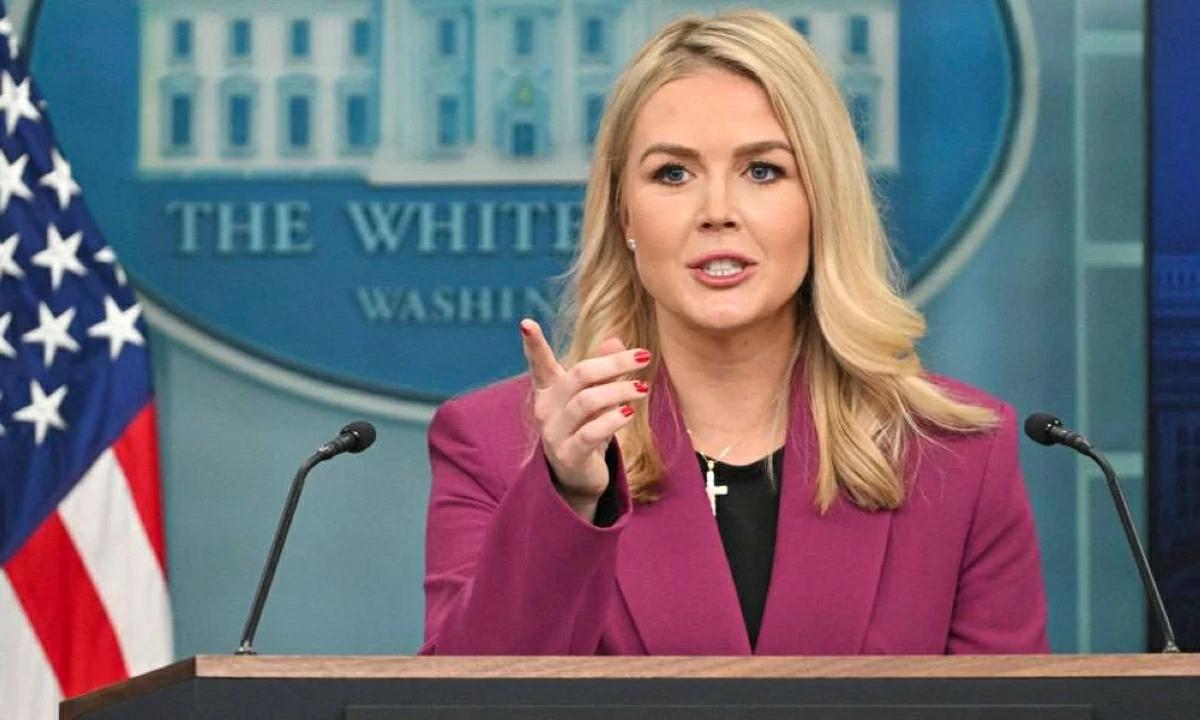
Trump Cancels Witkoff and Kushner Trip to Pakistan for Iran Talks
Key Takeaways
- Trump cancels planned trip of Witkoff and Kushner to Pakistan for Iran talks.
- Abbas Araghchi leaves Islamabad for Oman amid talks.
- No diplomatic breakthrough; talks remain uncertain and likely to continue by phone.
Trump cancels Pakistan trip
President Donald Trump cancelled a planned trip by U.S. envoys to Pakistan for Iran talks, calling off the “trip of US representatives going to Islamabad, Pakistan, to meet with the Iranian side,” according to the Global Times.
“This photo taken on Feb”
In a post on Truth Social, Trump said, “Too much time wasted on traveling, too much work! Besides which, there is tremendous infighting and confusion within their 'leadership.' Nobody knows who is in charge, including them,” as reported by the Global Times.
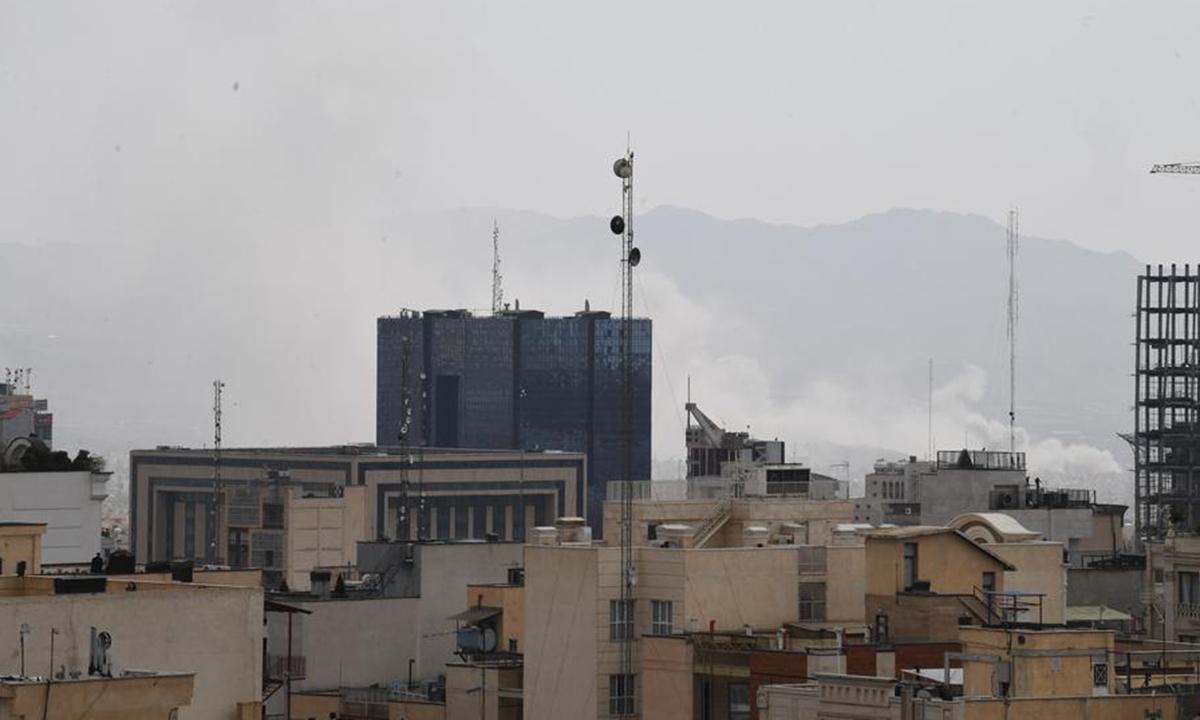
Trump also claimed, “we have all the cards, they have none,” and added, “if they want to talk, all they have to do is call,” per the same account.
Speaking to reporters outside Air Force One in Florida, Trump reiterated long travel time as a key reason for cancelling special envoy Steve Witkoff and Jared Kushner’s scheduled trip to Pakistan, with negotiations to be handled over the phone, CNN reported.
The BBC framed the cancellation as a response to the lack of a diplomatic breakthrough, noting that Iran’s Foreign Minister Abbas Araghchi left Pakistan after what he described as “very fruitful” talks but said he was “yet to see if the US is truly serious about diplomacy.”
The Guardian similarly reported that Trump told envoys not to go to Pakistan for more talks with Iran shortly after Araghchi left Islamabad late on Saturday.
Araghchi’s mediation tour
Even as Trump cancelled the U.S. envoys’ trip, Iran’s top diplomat Abbas Araghchi continued a mediation-heavy travel schedule that kept Pakistan in the center of the effort.
CNN reported that Araghchi “has landed back in Pakistan for a meeting with mediators, after holding talks with another key mediator Oman,” and said it was “not clear if Washington is “truly serious about diplomacy” after US President Donald Trump scrapped plans for his envoys to visit Pakistan.”
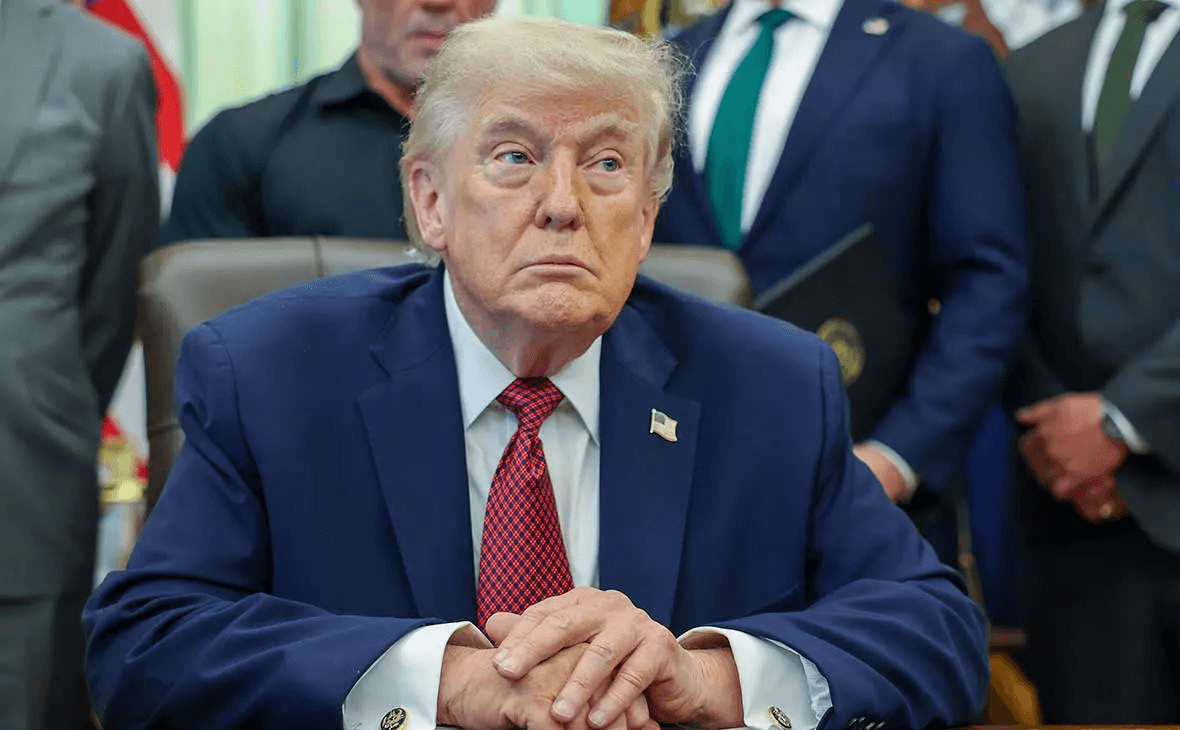
The Global Times said the announcement by Trump followed “the departure of Iran's foreign minister, Abbas Araghchi, from Pakistan,” where he presented mediators with “a potential framework for ending the conflict,” and quoted Araghchi saying in his X post that he had a “very fruitful visit to Pakistan, whose good offices and brotherly efforts to bring back peace to our region we very much value.”
Politico reported that Pakistan’s leadership was “scrambling to reignite talks between the United States and Iran” after Trump told envoys not to travel to Islamabad, and said Araghchi was expected to return to Islamabad “on Sunday evening before departing for Moscow.”
CBS News similarly described Araghchi leaving Islamabad for Oman on Saturday and being expected to return Sunday or Monday, while also noting that Trump said the ceasefire proposal from Iran “offered a lot, but not enough.”
Across the accounts, the common thread was that Araghchi’s movement between Oman, Islamabad, and onward destinations kept the negotiation channel open even as the U.S. delegation’s travel was cancelled.
Dialogue vs blockade
The cancellation and continued shuttle diplomacy unfolded against a backdrop of competing demands tied to sanctions and maritime access.
“US President Donald Trump has cancelled a planned trip by two officials - envoys Steve Witkoff and Jared Kushner - to Pakistan for talks on the Iran war”
The Global Times said U.S. military forces continued to enforce “US sanctions and fully implement the blockade against ships entering or departing Iranian ports,” citing US Central Command on social media Saturday.
It also reported that Iran’s main military command, Khatam al-Anbiya Central Headquarters, reiterated its pledge to react if the U.S. continues its “blockade, banditry and piracy” in the West Asia region, citing Xinhua.
CNN described the economic standoff in the absence of a deal, saying “a US naval blockade is causing rising food prices and unemployment for everyday Iranians,” and that Tehran’s “effective closure of the Strait of Hormuz has economic ripple effects around the world.”
Politico added that Iranian officials questioned how they could trust the U.S. after its forces started blockading Iranian ports, and said Iran still insists on ending the U.S. blockade on its ports before launching a new round of talks.
CBS News also tied the negotiation impasse to blockade conditions, reporting that Iranian President Masoud Pezeshkian told Pakistani Prime Minister Shehbaz Sharif that the U.S. “should first remove operational obstacles, including the blockade,” to allow a new round of negotiations.
Pakistan scrambles to bridge gaps
Pakistan’s role in the negotiations became more visible in the wake of Trump’s cancellation, with multiple outlets describing an active effort to keep talks alive.
Politico reported that “Pakistan’s top political and military leadership are scrambling to reignite talks between the United States and Iran” after Trump told envoys not to travel to Islamabad, and said the officials spoke “on condition of anonymity because they were not authorized to speak to the media.”

The same Politico account said Pakistan-led mediators were working to bridge “significant gaps between the U.S. and Iran,” and quoted a regional official saying Iran still insists on ending the U.S. blockade on its ports before launching a new round of talks.
CNN reported that Araghchi thanked Oman for diplomatic efforts and warned US military presence was causing “insecurity and division,” citing Iran’s semi-official outlet, Tasnim News Agency.
CNN also said the Sultan of Oman called for “stability and security,” citing Iran’s state-affiliated Fars News Agency, and quoted the Sultan: “I hope that the war will end as soon as possible and definitively, and that we will witness the return of stability and security to the region,” as reported by Fars.
In parallel, the Global Times said a Chinese expert, Li Haidong, argued that “diplomatic communication remains a viable and effective tool” and that “As long as both sides are willing to communicate, the channels for diplomatic negotiations will remain open,” while also saying the prospect of resolving disputes through negotiations “remain uncertain.”
Competing frames and next steps
The sources also diverged in how they framed the cancellation’s meaning and what it implied for the next phase of talks.
“• Hectic diplomacy: Iran’s foreign minister has landed back in Pakistan for a meeting with mediators, after holding talks with another key mediator Oman”
The Global Times emphasized uncertainty but argued that diplomatic channels remain open, quoting Li Haidong that “diplomatic communication remains a viable and effective tool” and that “the prospect of resolving disputes through negotiations remain uncertain.”

The BBC presented the cancellation as part of a stalled effort, saying there was “No diplomatic breakthrough between US and Iran” and that Trump cancelled after Araghchi left Pakistan, while also repeating Trump’s Truth Social line: “We have all the cards, they have none! If they want to talk, all they have to do is call!!!”
The Guardian similarly described the cancellation as Trump telling envoys “They can call us anytime they want,” while adding that Iran’s foreign minister had met Pakistani officials and said Tehran would engage with Pakistan’s mediation efforts “until a result is achieved.”
WANE 15 highlighted Trump’s explanation that envoys were not meeting “with the leader of the country,” quoting Trump saying his negotiators “weren’t meeting with the leader of the country,” and also reported sanctions and mine-clearing efforts.
In a Fox News segment, retired Navy Captain Chuck Nash said, “You can cause the insurance companies to maybe stay up a little bit late at night, but you're not going to shut the strait down,” and added, “The United States now controls the Strait of Hormuz, not the Iranians.”
More on USA

Robbery Suspect Kills Chicago Police Officer John Bartholomew at Endeavor Health Swedish Hospital
11 sources compared

Gunman Storms White House Correspondents’ Dinner at Washington Hilton, Secret Service Officer Hit
36 sources compared
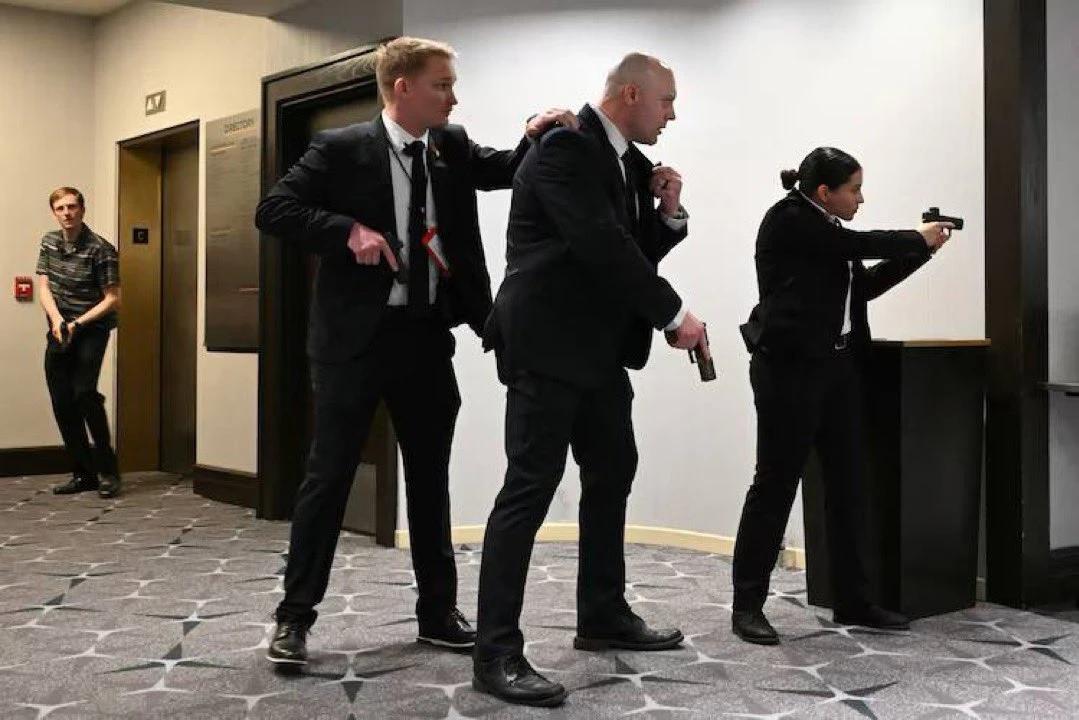
Gunman Fires Shots at White House Correspondents' Dinner as Trump Evacuated
30 sources compared
Afghanistan Invites 1,100 Afghans Stuck in Qatar to Return Home Amid Congo Talks
12 sources compared